
The information provided in this article is intended solely for general informational and educational purposes related to U.S. laws and legal topics. It does not constitute legal advice, legal opinions, or professional legal services, and should not be considered a substitute for consultation with a qualified attorney or other licensed legal professional.
While efforts have been made to ensure the information is accurate and up to date, no guarantees are given—either express or implied—regarding its accuracy, completeness, timeliness, or suitability for any specific legal situation. Laws, regulations, and legal interpretations may change over time. Use of this information is at your own discretion.
It is strongly recommended to consult official sources such as the U.S. Government (USA.gov), United States Courts, or relevant state government and court websites before acting on any information contained on this website or article. Under no circumstances should professional legal advice be ignored or delayed due to content read here.
This content is of a general and informational nature only. It is not intended to replace individualized legal guidance or to establish an attorney-client relationship. The publication of this information does not imply any legal responsibility, guarantee, or obligation on the part of the author or this site.
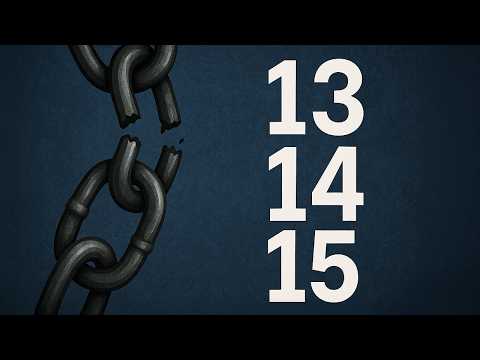
You know, when we talk about amendments, it often feels like diving into a history textbook. But the thing is, the 13th, 14th, and 15th Amendments are really big deals that changed America forever.
First off, they’re like the backbone of civil rights law. Seriously. These amendments were game-changers after the Civil War. They weren’t just words on a piece of paper; they were promises for a better future.
Imagine living in a time when freedom and equality weren’t guaranteed. That’s what these amendments tackled head-on. They’re not just part of history; they still affect our lives today in so many ways!
So if you’re curious about how they shaped our legal landscape, buckle up! We’re about to unravel some pretty cool stuff together.
Understanding the Significance of the Thirteenth, Fourteenth, and Fifteenth Amendments in American Constitutional Law
The Thirteenth, Fourteenth, and Fifteenth Amendments are super important pieces of American history and law. They were all ratified after the Civil War and played a huge role in shaping how rights are understood in the United States. Let’s break them down so you can see their significance.
The Thirteenth Amendment, ratified in 1865, abolished slavery. This was a massive shift in American life. Before its ratification, millions of people were considered property. Now, with this amendment, no one could be held as a slave or involuntary servant, except as punishment for a crime.
Think about this: imagine living in a world where your ability to choose your own path was taken away simply because of your skin color or background. This amendment aimed to end that reality once and for all.
The Fourteenth Amendment came next in 1868 and is packed with significant provisions. First off, it guarantees that anyone born or naturalized in the U.S. is a citizen. This means if you were born here, you’re entitled to all the rights that come with citizenship.
But there’s more—this amendment also includes the Equal Protection Clause which says that everyone should be treated equally under the law. You know how sometimes it feels like certain groups have different rules? Well, this clause aims to change that by saying discrimination based on race or other factors isn’t okay.
The Fourteenth Amendment was crucial during the Civil Rights Movement too! It laid down the groundwork for cases like Brown v. Board of Education which helped end racial segregation in schools.
Now on to the Fifteenth Amendment, ratified in 1870. This one specifically deals with voting rights. It states that citizens cannot be denied the right to vote based on race, color, or previous condition of servitude. Sounds great, right?
However, here’s where things get tricky! Even though this amendment exists on paper, many states found ways around it through things like literacy tests and poll taxes—tactics aimed at keeping certain groups from voting.
Fast forward through history—events like the Voting Rights Act of 1965 came about because people were tired of these unfair practices still happening despite having this amendment for almost a century!
In short:
- The Thirteenth Amendment: Abolishes slavery.
- The Fourteenth Amendment: Ensures citizenship and equal protection under law.
- The Fifteenth Amendment: Protects voting rights regardless of race.
These three amendments are like pillars supporting civil rights in America. They tell us that regardless of who you are—your race or background—you have rights protected by law! Understanding their significance helps us grasp how far we’ve come—and how far we still have to go—in achieving true equality for everyone living here.
Impact of the 13th, 14th, and 15th Amendments on African American Lives: A Historical Analysis
The 13th, 14th, and 15th Amendments to the U.S. Constitution were pretty major game-changers for African Americans, especially right after the Civil War. They were designed to ensure freedom and rights that had been denied for so long. So, let’s break down what each of these amendments did and what impact they had on African American lives.
The 13th Amendment, ratified in 1865, abolished slavery in the United States. This was huge because it meant that people who had been enslaved could finally be free. But here’s the catch: while it made slavery illegal, it didn’t guarantee true equality or protection from discrimination. Many former slaves found themselves locked into a cycle of poverty and forced labor through laws like Black Codes. It was like getting freedom on paper, but not really in practice.
The 14th Amendment, adopted in 1868, offered citizenship to all persons born or naturalized in the U.S., which included former slaves. It also promised equal protection under the law. This meant that states couldn’t deny anyone their rights just based on race. However, enforcing this amendment wasn’t always easy. There were tons of court cases where African Americans fought for their rights, but many times they faced strong resistance from state governments and local authorities.
The 15th Amendment, ratified in 1870, was another step forward as it aimed to secure voting rights for African American men. This was super important because voting is key to having a say in government decisions that affect your life! But again – there’s a “but”—many states implemented literacy tests and poll taxes to circumvent this right effectively preventing many African Americans from voting.
So what does all this mean? Well, these amendments laid down some foundational rights for African Americans. But they also highlighted how difficult it would be to achieve real equality in America.
Over time, despite these legal protections, systemic racism persisted through Jim Crow laws and segregation practices that sought to undermine those hard-won rights. And even today, we still see discussions about how these amendments resonate with ongoing civil rights issues.
The thing is: the struggle didn’t end with these amendments; it just shifted gears over time. They represent powerful milestones towards justice and equality but also remind us of the ongoing journey toward true freedom and full participation in society for African Americans.
In summary:
- 13th Amendment: Ended slavery but led to exploitative practices.
- 14th Amendment: Granted citizenship and equal protection but faced enforcement challenges.
- 15th Amendment: Aimed for voting rights but was undermined by discriminatory laws.
These amendments changed history, that’s clear! But they also show us how much work remains when it comes to achieving genuine equality across America.
Comprehensive Summary of the 13th, 14th, and 15th Amendments: Key Highlights and Implications
The 13th, 14th, and 15th Amendments are like the foundation of civil rights in the United States. Each one plays a significant role in shaping American law and society. Let’s break them down.
13th Amendment: Ratified in 1865, this amendment is primarily known for abolishing slavery. It says that “neither slavery nor involuntary servitude, except as punishment for a crime, shall exist within the United States.” This was a huge turning point in history! After the Civil War, it aimed to protect the freedom of formerly enslaved people.
But here’s something important: even after this amendment passed, many faced discrimination and were subjected to various forms of coercion. For example, practices like sharecropping took hold in the South, trapping many Black Americans in cycles of poverty.
14th Amendment: Adopted in 1868, this one is all about equality under the law. It grants citizenship to “all persons born or naturalized in the United States.” This means that anyone born on U.S. soil is automatically a citizen—hello, equal rights!
It also includes a clause that prevents states from denying any person “the equal protection of the laws.” Basically, it was designed to combat discrimination. Think back to landmark cases like Brown v. Board of Education; this amendment laid some serious groundwork for those battles against segregation.
15th Amendment: Ratified in 1870, this amendment focused on voting rights. It prohibits denying a citizen the right to vote based on “race, color, or previous condition of servitude.” So it should have guaranteed Black men (and eventually others) their voting rights.
However—and here’s where things get tricky—states found ways around this through literacy tests and poll taxes that disenfranchised many voters even after its adoption! It wasn’t until later legal changes and civil rights movements that these barriers began to crumble.
In summary:
- The 13th Amendment abolished slavery, but challenges remained for formerly enslaved people.
- The 14th Amendment guarantees citizenship and equal protection under state laws.
- The 15th Amendment protects voting rights, aiming to ensure African American men could vote.
These amendments together form critical pillars supporting civil liberties in America today. And while they laid important groundwork for equality and justice, it’s clear that ongoing struggles have followed as society evolves. It really shows you how law can change yet still faces challenges over time!
The 13th, 14th, and 15th Amendments to the U.S. Constitution are like cornerstones in the foundation of civil rights. They were born out of some pretty intense historical moments—think Civil War, slavery, and a country trying to figure out what freedom really means for everyone.
Let’s start with the 13th Amendment. It’s short and sweet, just saying slavery is banned in the United States. Imagine being in the shoes of someone who was held captive for generations and suddenly getting this freedom. It must’ve felt like a weight lifted off your shoulders! But freedom doesn’t always come easy; it brought with it a mix of hope, uncertainty, and challenges.
Then there’s the 14th Amendment, which took things a step further by granting citizenship to anyone born or naturalized in the U.S., including former slaves. You know how sometimes we take our rights for granted? This amendment was a huge leap toward ensuring that everyone could start having equal protection under the law. It aimed to address injustices head-on—but let’s not kid ourselves; it didn’t erase prejudice overnight. There are still many battles left to fight when it comes to equality.
And hey, here comes the 15th Amendment! This one focused on voting rights, stating that you can’t be denied the right to vote based on race or color. Picture the excitement and hope for millions who finally thought they could have a say in their future! But despite its promise, folks still faced segregation and systemic barriers at polling places—discrimination didn’t just vanish with an amendment signing.
These amendments didn’t magically fix everything; they laid down essential groundwork but were all too often ignored or subverted over time. It’s like planting seeds—you need care and attention for them to grow into something beautiful. With each amendment reflecting struggles for justice, they remind us about how far we’ve come while underscoring how much more work lies ahead.
Looking back at these amendments in today’s context makes you appreciate their significance even more. Every time you hear about voting rights or discussions on equal protection under law, think about those brave souls who fought tirelessly during turbulent times—just so today we can continue pushing forward toward truly equal rights for everyone!




