
The information provided in this article is intended solely for general informational and educational purposes related to U.S. laws and legal topics. It does not constitute legal advice, legal opinions, or professional legal services, and should not be considered a substitute for consultation with a qualified attorney or other licensed legal professional.
While efforts have been made to ensure the information is accurate and up to date, no guarantees are given—either express or implied—regarding its accuracy, completeness, timeliness, or suitability for any specific legal situation. Laws, regulations, and legal interpretations may change over time. Use of this information is at your own discretion.
It is strongly recommended to consult official sources such as the U.S. Government (USA.gov), United States Courts, or relevant state government and court websites before acting on any information contained on this website or article. Under no circumstances should professional legal advice be ignored or delayed due to content read here.
This content is of a general and informational nature only. It is not intended to replace individualized legal guidance or to establish an attorney-client relationship. The publication of this information does not imply any legal responsibility, guarantee, or obligation on the part of the author or this site.
Hey! You ever thought about what jury rights actually mean? Or how they tie into the Third Amendment? It’s pretty wild, honestly.
So here’s the deal: we all know about juries, right? You see them in movies and TV shows all the time. But there’s a lot more to them than just drama.
And then there’s this thing called the Third Amendment. It doesn’t get much airtime compared to other amendments. But it’s super interesting in terms of privacy and personal rights.
Together, jury rights and the Third Amendment paint a larger picture of what it means to be an American citizen. So, let’s break it down a little bit!
Understanding the Amendment That Safeguards Your Right to a Jury Trial
The Sixth Amendment is like that friend who’s always got your back when things get rough. It’s all about making sure you, as a citizen, have certain rights when you’re facing criminal charges. One of the biggest parts is that you have the right to a public trial by an impartial jury. That means your fate isn’t decided by just one person; instead, it’s up to a group of people from your community.
Now, let’s break this down a bit more. The idea of a jury is rooted in fairness and justice, right? Imagine being accused of something terrible. You’d want other folks—your peers—to weigh in and decide if you’re guilty or innocent. It’s like having a buffer against possible bias from judges or prosecutors.
When it comes to what the Sixth Amendment says, it basically guarantees:
- Right to a speedy trial: You shouldn’t sit around in jail waiting forever for your trial.
- Right to an impartial jury: This means jurors should be unbiased and open-minded about the case.
- Right to know the charges: You deserve to know exactly what you’re being accused of.
- Right to confront witnesses: If someone is testifying against you, you can challenge their statements.
- Right to retain counsel: You can have an attorney help guide you through the process.
But here’s where it gets interesting—what’s often overlooked is how this ties into other amendments like the Third Amendment. This part of the Constitution prohibits soldiers from being quartered in private homes without consent during peacetime. While it may seem unrelated, both amendments highlight personal freedoms and protection against government overreach!
Think about it: both amendments emphasize that individuals should be protected from intrusions and unfair treatment by state powers, whether it’s forcing someone into your home or determining guilt without fair representation. They’re both pieces of that puzzle meant to keep our rights intact.
And here’s something cool: even though we often think about these amendments separately, they paint a broader picture of justice and liberties that we cherish in this country. So next time you hear someone talking about their jury rights or even the Third Amendment, remember—it all ties back to protecting individual freedoms in meaningful ways.
It’s essential not just during criminal cases but also speaks volumes about how we handle disputes in society as a whole. Having juries helps ensure decisions reflect community standards rather than just governmental whims.
So when you’re sitting on that jury panel someday (because let’s face it; if you’re 18 or older, it’s likely going to happen), remember: you’re not just there doing your civic duty—you’re standing guard over someone’s rights! That’s pretty powerful stuff!
Exploring Judicial Challenges: The 3rd Amendment in U.S. Court History
The Third Amendment might not pop into your head when you think about rights in the U.S., but it’s a pretty big deal in some circles. So, what’s the scoop on this amendment? Basically, it states that you can’t be forced to house soldiers in your home during peacetime without your consent. Sounds straightforward, right? Well, it’s not as frequently discussed as other amendments like the First or Second, yet it has its own history and implications.
First of all, let’s look at how the Third Amendment came about. It was basically a reaction to British practices before the American Revolution. Colonists were tired of having to give up their homes for soldiers. It was more than just an inconvenience; it was about privacy and personal freedom. Imagine waking up one morning to find a bunch of soldiers eating your breakfast and hogging the couch! Yeah, not cool.
The tricky part comes when we try to connect this amendment to modern legal scenarios and jury rights. Here’s where things get interesting: while there Haven’t really been many court cases focused solely on the Third Amendment, its principles do peek into bigger issues concerning privacy and government intrusion. You know how once in a while you hear debates about surveillance or police powers? Well, those discussions often connect back to that sense of home and security that the Third Amendment was trying to protect.
Now onto jury rights! You might wonder why these two even relate. Well, both touch on personal freedoms and how far government power should reach into our lives. When juries are involved—whether you’re talking criminal or civil cases—they’re meant to safeguard individual rights by being impartial voices for the community. It’s like having your neighbors help decide what’s fair instead of letting just one person in power call all the shots.
Although we don’t exactly see juries deciding cases based solely on “don’t cramp my style” vibes from the Third Amendment, there is an underlying theme: protecting individual liberties from overreach by authorities is key both ways—whether military or judicial.
And speaking of court history, there have been some legal scholars who argue that even if there aren’t tons of cases directly invoking the Third Amendment today, it still plays a role when courts interpret privacy issues or government authority limits. Who would’ve thought a little amendment tucked away could still stir up such heavy conversations?
So let’s wrap this up with some important takeaways:
- The Third Amendment addresses housing soldiers in private homes during peacetime.
- It stems from colonial anxiety about government overreach and loss of privacy.
- While specific cases about this amendment are rare, its themes tie into ongoing discussions about individual liberty.
- Jury rights serve as community checks against authority—mirroring 3rd Amendment principles.
Overall, even if people don’t chat much about it, understanding the Third Amendment helps paint a better picture of how our rights have evolved—and why protecting them matters now more than ever!
Understanding Your Rights Under the Third Amendment: A Comprehensive Overview
Sure! Let’s break down the Third Amendment and what it means for you, especially when it comes to your rights. You know, this amendment doesn’t get as much attention as, let’s say, the First or Second Amendments, but it’s pretty important.
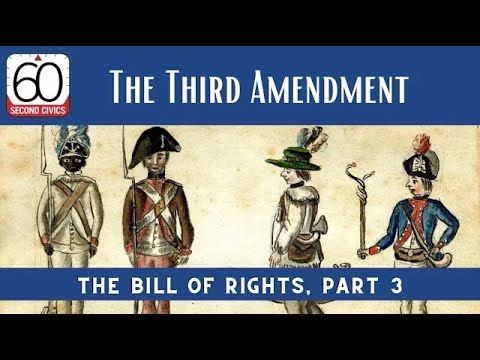
The Third Amendment reads: “No soldier shall, in time of peace be quartered in any house without the consent of the owner, nor in time of war, but in a manner to be prescribed by law.” So basically, it means that soldiers can’t just crash at your place without your permission unless there’s a law saying otherwise—usually during wartime.
Now let’s dive into what this really means for you as a citizen and how it connects to jury rights.
Protection from Unwanted Intrusion
First off, the Third Amendment is about privacy and property rights. You have the right to control your own home. Imagine you’re having a quiet night watching Netflix and suddenly military personnel show up at your door asking if they can stay over—the horror! This amendment helps prevent that from happening. If soldiers can’t just barge into your home whenever they feel like it, that’s one less thing to worry about.
Historical Context
This amendment was born out of anger over British practices before and during the American Revolution. Back then, British troops would often be housed in colonists’ homes against their will. So when our founding fathers wrote this amendment, they were essentially saying: “Never again!” It reflects a key value in American life—your home is your castle.
No Legal Precedent
Interestingly enough, there have been very few court cases involving the Third Amendment directly. Courts usually focus on other amendments more frequently because it’s not commonly violated today. But that doesn’t mean you shouldn’t know about it! Awareness is power!
Connection to Jury Rights
Now here comes the link between jury rights and the Third Amendment—both touch upon fundamental principles of justice and individual freedoms. When you’re part of a jury, you’re stepping into another layer of protecting those freedoms. Just like you can’t be forced to house soldiers without consent, you also can’t be compelled to make decisions that affect someone’s liberty or property without going through due process.
When sitting on a jury, each juror must consider the evidence carefully and independently. They cannot simply go with popular opinion or external pressure—every person on that jury has their own set of rights under various amendments including potential protections related to privacy and property.
Your Rights Matter!
At its core, understanding rights like those protected by the Third Amendment helps keep government powers in check. It reminds us that our homes are our sanctuaries where we should feel safe from unwarranted intrusion—not just from soldiers but also from anyone else who might infringe upon our space.
So there you have it! The Third Amendment might seem small next to others but stands as an important reminder of personal liberty and control over one’s own space—and this principle extends into how we think about our roles as jurors too!
Alright, so let’s chat about jury rights and the Third Amendment. It might not be something that pops into your mind when you think about American law, but it’s pretty fascinating.
You know how we often hear about people getting their day in court? That’s thanks to our jury system, which is like this foundational piece of justice in the U.S. It gives you the chance to have your case heard by a group of your peers. Imagine being in a tough spot and knowing that a bunch of regular folks, not some big shot judges, are deciding your fate. There’s something comforting about that, right? You’re evaluated by people who understand life’s ups and downs, just like you do.
Now, flipping over to the Third Amendment for a sec—it deals with soldiers not being able to just barge into your home during peacetime. Kinda sounds old-fashioned at first glance, but it’s all about privacy and security. Think about it: no one likes the idea of someone crashing at their place without permission! This amendment ties back to the idea of personal rights and freedoms, which are crucial if you want a fair trial.
So how does all this connect? Well, both concepts emphasize protecting individual rights against government overreach. When you’re sitting in that jury box or waiting for your case to be heard, you’re standing up for what should be fair and just. You have this power as a juror or as someone involved in the legal process—you’re part of making sure things run smoothly. It’s like having a shield against any unjust actions thrown your way.
I remember my friend once got called for jury duty—totally nervous about it at first—but when he got there, he realized how important his role was. He ended up feeling empowered because he knew he was helping make decisions that actually mattered in someone’s life. It’s moments like these where the rights we often take for granted come rushing to light.
So yeah, whether it’s standing firm on jury rights or ensuring our homes remain our sanctuaries from unwelcome guests—the heart of these issues speaks volumes about our freedoms and individual dignity in American law.




