
The information provided in this article is intended solely for general informational and educational purposes related to U.S. laws and legal topics. It does not constitute legal advice, legal opinions, or professional legal services, and should not be considered a substitute for consultation with a qualified attorney or other licensed legal professional.
While efforts have been made to ensure the information is accurate and up to date, no guarantees are given—either express or implied—regarding its accuracy, completeness, timeliness, or suitability for any specific legal situation. Laws, regulations, and legal interpretations may change over time. Use of this information is at your own discretion.
It is strongly recommended to consult official sources such as the U.S. Government (USA.gov), United States Courts, or relevant state government and court websites before acting on any information contained on this website or article. Under no circumstances should professional legal advice be ignored or delayed due to content read here.
This content is of a general and informational nature only. It is not intended to replace individualized legal guidance or to establish an attorney-client relationship. The publication of this information does not imply any legal responsibility, guarantee, or obligation on the part of the author or this site.
You know, when we think about justice in America, we often picture those heroic moments in courtrooms. But what happens when the people sworn to protect us—like the police—cross the line?
It’s a tough subject. Seriously. We’re talking about police misconduct, and it’s messy. Sometimes it feels like there’s no clear right or wrong, just a lot of gray areas.
That’s where juries come into play. They’re like the everyday folks who help make sense of these situations. They listen, they deliberate, and they decide what really happened.
In this piece, let’s explore how juries handle these heavy cases and what it means for justice as a whole. It’s a wild ride!
Understanding Police Misconduct Cases: Legal Insights and Implications
Sure, let’s break down police misconduct cases and what they mean in terms of your rights and the role of juries in all this.
Police misconduct refers to inappropriate actions taken by officers in their line of duty. This can range from excessive force and false arrests to more serious violations like racial profiling or corruption. Understanding these cases is crucial because they directly affect community trust and safety.
When a police officer crosses the line, it can lead to civil lawsuits or criminal charges. In a civil case, the victim usually seeks monetary compensation for damages caused by misconduct. For instance, if someone is wrongfully arrested due to an officer’s negligence, they might file a lawsuit against that police department. But there are some big legal hurdles here that you should know about.
One important aspect is **qualified immunity**. This legal doctrine protects government officials from being held liable for unconstitutional actions unless it’s clear that their conduct was unlawful. It’s basically a shield that makes it tough for victims to win their cases unless they can prove that the officer’s actions were clearly established as illegal in previous cases.
Now, let’s talk about the role of juries. When these cases go to trial, juries often play a pivotal role. They’re made up of everyday people like you and me who are tasked with deciding whether an officer acted appropriately or not. It’s a big responsibility! Juries must weigh evidence and testimonies to determine if there was indeed misconduct.
Sometimes these trials can get pretty emotional. Like, imagine you’re sitting on a jury hearing about someone who suffered severe injuries during an arrest gone wrong; it hits home, right? Jurors have to look at facts but also consider the human side of things too—what it means for family members and community.
But, bringing accountability through juries isn’t always straightforward. The instructions given by judges can be complex, leading jurors to misunderstand certain aspects of law or even overthink their decisions on issues like reasonable force versus excessive force.
In addition, public perception plays into all this. High-profile cases often make headlines—think about George Floyd or Breonna Taylor—and push communities to ask tough questions about policing practices and accountability. Juries reflecting societal views can lead judges or lawyers on both sides to take certain approaches based on what public sentiment feels like at the time.
So yeah, when we talk about police misconduct cases, there’s a ton going on under the surface involving laws like qualified immunity alongside how ordinary people—the jurors—decide if justice is served or not.
Understanding Police Misconduct: Real-Life Examples and Implications
Police misconduct is a serious issue that affects communities across the U.S. If you’re wondering what it really means, you’re not alone. It’s basically when law enforcement officers act in a way that’s unethical or illegal while doing their job. This can include excessive use of force, false arrests, or racial profiling. These actions don’t just impact individuals—they ripple through entire communities.
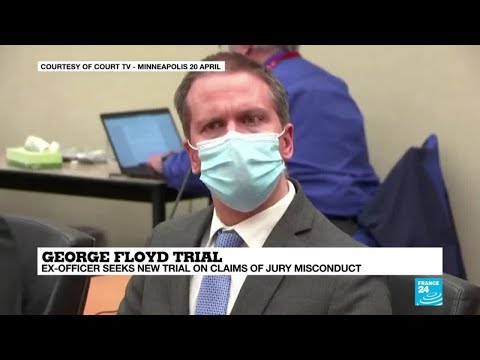
One well-known example that still sends chills down people’s spines is the case of George Floyd in 2020. Floyd died after a police officer knelt on his neck for over nine minutes during an arrest. Can you imagine? The whole world watched it unfold on video, and it sparked massive protests against police brutality and systemic racism. The fallout from incidents like this puts pressure on our legal system to hold officers accountable, which brings the role of juries into play.
Juries serve as a vital check on police power. When someone sues a police department for misconduct, their case often winds up in front of a jury. Juries are made up of regular folks like you and me, who are tasked with deciding if the police acted properly or if they crossed the line. They listen to evidence from both sides—this could be eyewitness testimony, videos, or expert opinions about the situation.
Some might ask: what happens if the jury finds that misconduct occurred? Well, they can award damages to victims or their families. This is where things get tricky because juries must weigh complicated factors like intent and reasonableness under pressure—a challenge for anyone unfamiliar with legal jargon.
Another example is the 2014 case involving Eric Garner in New York City. He died after being placed in a chokehold by an NYPD officer during an arrest for selling loose cigarettes. His last words, “I can’t breathe,” became a rallying cry for many seeking justice against police violence. A grand jury ultimately decided not to indict the officer involved, but civil lawsuits followed where juries were needed to determine compensation and accountability.
The implications of these cases stretch far beyond individual incidents. Police departments might change training protocols or policies based on jury decisions in misconduct cases. If juries consistently find excessive force unjustified, it could encourage departments to rethink how they handle certain situations—like crowd control during protests—and promote better community relations.
Now let’s not sugarcoat things; jury trials aren’t perfect! Jurors come from diverse backgrounds and life experiences that might shape how they view policing and justice differently. Plus, biases can creep into decision-making processes—conscious or unconscious—which complicates fair outcomes in these sensitive cases.
If you think about it, this creates a ripple effect: when jurors don’t hold police accountable enough—or worse yet—are swayed by bias, it undermines public trust in law enforcement as a whole. And that’s not good for anyone involved!
To wrap things up: understanding police misconduct isn’t just about knowing what’s happening; it’s about recognizing its consequences on society as well as individual lives. Juries play an essential role here—they’re not just numbers; they’re representatives of community values making crucial decisions about justice when things go wrong with those we trust to keep us safe.
Understanding Internal Affairs: Addressing Police Corruption and Its Impact on Law Enforcement Integrity
Understanding Internal Affairs: Addressing Police Corruption
When we talk about police corruption, we’re diving into a tough topic. It’s like peeling an onion, you know? Each layer reveals something deeper and often, more painful. Police officers are meant to protect us and uphold the law. But when they break that trust, it can hurt not just individuals but entire communities.
First off, let’s break down what **police corruption** really is. It’s when someone in a position of power uses that power for personal gain instead of serving the public good. This could mean taking bribes, misusing resources, or even manipulating evidence. Basically, these actions twist the entire purpose of law enforcement.
Now, here’s where it gets complicated. When corruption goes unchecked, you start to see a real impact on **law enforcement integrity**. Think about it: if officers feel they can get away with unethical behavior without consequences, how does that reflect on their duty? They might prioritize their interests over public safety or even target certain groups unfairly.
And this doesn’t just happen out of nowhere. Police departments often have an **Internal Affairs** division specifically designed to investigate these kinds of issues. Their job is crucial because they’re the ones who dig into allegations of misconduct and weed out bad actors from the ranks. But there’s a problem: sometimes these investigations aren’t as effective as they should be.
These factors can lead to a culture where it’s easier to sweep things under the rug instead of addressing them head-on.
Then there’s the role of juries in all this mess. When cases involving police misconduct make it to court, juries are tasked with deciding the outcome based on facts and evidence presented during trials. It’s kind of like being put in charge of a high-stakes game where lives – and livelihoods – are on the line.
But jurors often face challenges too; they might be influenced by biases or limited information about police practices and internal procedures. Imagine being on a jury for one of these cases and feeling overwhelmed by everything going on around you! The tension must be palpable because every decision you make has real-world implications for everyone involved – especially if there’s corruption at play.
It’s also essential for jurors to understand their role: they’re not just there to judge who did what; they’re pivotal in holding law enforcement accountable for their actions—or lack thereof! A well-informed jury can shine light on corrupt practices within police departments while helping restore some sense of trust in those who are supposed to protect us.
To wrap it up (without wrapping it up too neatly!), addressing police corruption is vital for maintaining integrity within law enforcement agencies. Internal Affairs has its work cut out for them as they try to clean house while ensuring fair treatment among officers and citizens alike. And jurries? They play an indispensable role in shaping justice by stepping up when accountability is needed most.
Every time someone stands trial due to alleged misconduct – well that’s another step toward building back faith in our justice system!
You know, police misconduct has been a hot topic lately, and it’s really something that hits home for a lot of people. We’ve all seen those heartbreaking stories in the news. It could be about someone who lost their life during an encounter with law enforcement or an innocent person getting wrongly accused. These stories make you stop and think about who’s supposed to protect us—and what happens when that protection goes wrong.
The role of juries in these situations can be kind of fascinating. Juries are made up of regular folks—your neighbors, maybe some people from your kid’s school, or someone you bump into at the grocery store. When it comes to police misconduct cases, juries have the heavy task of sorting through complex situations and making decisions that can impact lives forever. It’s like they’re standing at the crossroads between justice and injustice, which feels pretty intense when you think about it.
Let’s say you’ve been called for jury duty on a case involving excessive force by an officer. You’d probably walk into that courtroom thinking about all the angles: Was the use of force necessary? What did the body cam footage show? Did the officer follow proper procedures? And here’s where it gets tricky—there might be deep emotions at play since many people have various opinions on law enforcement based on their own experiences or community background.
I remember reading about this one case where a jury had to decide whether a cop used excessive force during an arrest gone wrong. The evidence was pretty murky: there were conflicting testimonies and shaky video footage that didn’t capture everything clearly. Some jurors felt sympathy for the officer, thinking he was just doing his job under stress. Others empathized with the victim’s family who just wanted accountability. You could almost feel the tension in that deliberation room! In situations like this, a jury is tasked with not only understanding legal standards but also grappling with moral dilemmas.
It leaves you wondering just how much influence juries really have in shaping justice outcomes around police misconduct. The system is supposed to work so that fairness prevails, but we all know things don’t always pan out that way. Sometimes there are biases—conscious or unconscious—that can seep into those deliberations.
So yeah, while juries play such a critical role in American justice, especially regarding police-related cases, they also reflect our society’s views and values at any given moment. And that’s kind of scary and hopeful all at once—you know? It’s like they are mirrors reflecting what we believe about justice in this complex world we live in.




