
The information provided in this article is intended solely for general informational and educational purposes related to U.S. laws and legal topics. It does not constitute legal advice, legal opinions, or professional legal services, and should not be considered a substitute for consultation with a qualified attorney or other licensed legal professional.
While efforts have been made to ensure the information is accurate and up to date, no guarantees are given—either express or implied—regarding its accuracy, completeness, timeliness, or suitability for any specific legal situation. Laws, regulations, and legal interpretations may change over time. Use of this information is at your own discretion.
It is strongly recommended to consult official sources such as the U.S. Government (USA.gov), United States Courts, or relevant state government and court websites before acting on any information contained on this website or article. Under no circumstances should professional legal advice be ignored or delayed due to content read here.
This content is of a general and informational nature only. It is not intended to replace individualized legal guidance or to establish an attorney-client relationship. The publication of this information does not imply any legal responsibility, guarantee, or obligation on the part of the author or this site.
So, you know how everyone’s all about smart speakers these days? Alexa’s been helping us with everything from reminders to playlists. But what if I told you there’s a big legal drama happening with her?
Yup, there’s a class action lawsuit brewing that’s got folks buzzing. It’s like a reality show but with legal twists and lots of tech drama.
Now, the jury’s role in this whole situation is super important. They’re the ones who’ll decide if Amazon’s in hot water or if everything’s cool. Can you imagine being part of that?
Stick around, cause we’re diving into what this all means for everyday users like you and me, and how the jury fits into this wild legal mess!
Understanding Jury Involvement in Class Action Lawsuits: Key Insights and Legal Perspectives
Jury involvement in class action lawsuits is a pretty interesting topic, especially when we look at something like the Alexa class action lawsuit. So, let’s break this down step by step.
What’s a Class Action Lawsuit?
First off, a class action lawsuit is when a group of people come together to sue someone—usually a big corporation—because they’ve all been affected in a similar way by that company’s actions. Think of it like this: if your whole neighborhood got bad water from the same source, instead of each person suing separately, everyone bands together to take on the issue as one big team.
Now, in these kinds of lawsuits, there are typically two main parties: the plaintiffs (the people doing the suing) and the defendant (the one being sued). So in the case of an Alexa class action lawsuit, you might see folks coming forward because they believe their privacy was violated or their data mishandled.
The Jury’s Role
When it comes to who decides how things pan out in these cases, juries can play different roles depending on various factors. In many class actions, there may not even be a jury trial at all. Instead, these cases can often be settled outside of court or decided by a judge. But if it does go to trial? Well, that’s where the jury comes into play.
Now here’s something really interesting: sometimes jurors can feel way more empathy towards plaintiffs in these cases because they’re everyday people just like them. There was this case once where jurors were visibly moved by an individual story within a larger class; you could practically feel them bonding over shared experiences. It makes them take their role seriously!
Legal Perspectives
There are important legal frameworks that shape how juries fit into these cases. The Federal Rules of Civil Procedure govern these lawsuits and might dictate whether juries get involved at all. In federal courts, sometimes only certain elements—like compensatory damages—may go before a jury while others don’t.
Also worth mentioning is something called “opt-out” clauses—which means individuals have the right to opt out of class actions and pursue their own lawsuits instead if they feel it’s better for their unique situation.
In summary? Jury involvement varies quite a bit in class action lawsuits like those involving Alexa or other tech giants. Understanding this dynamic really paints a clearer picture about who holds power in these big legal battles—and trust me; it can undoubtedly affect millions!
It’s an evolving landscape too—juries might start having more say as technology and personal data issues grow more complex every day!
Exploring the Class Action Lawsuit Against Alexa: What You Need to Know
So, let’s chat about this class action lawsuit against Alexa. You might’ve heard whispers around about how people are taking Amazon to court over their beloved virtual assistant. The thing is, class action lawsuits are pretty unique in the legal world, and they can get, well, complicated. So, what do you need to know?
First off, what’s a class action lawsuit? It’s when a group of people with similar claims band together to sue a defendant. Each individual in that group doesn’t have to file their own lawsuit. It saves time and resources and can make for a stronger case since you’re pooling together resources.
Now, getting back to Alexa: the allegations against it mainly revolve around privacy concerns. Basically, some users believe that Alexa is collecting more data than it should be. Like when you’re chatting with friends or even just having your morning coffee. It kinda feels invasive, right? Some people argue that their conversations were recorded without consent.
So here comes the jury’s role in all of this. In class action lawsuits under U.S. law, juries can play a huge part but not always in every stage of the process. The jury typically comes into play during the trial phase. They assess the evidence presented and determine whether Amazon violated any laws regarding user privacy.
Let’s break down how this usually works:
- First, if the case goes to trial (which isn’t guaranteed), a jury is selected from the community.
- These jurors will hear testimony from both sides—plaintiffs claiming Amazon did wrong and defendants arguing they did nothing illegal.
- The jury then decides on key issues like whether consumers expect their conversations to remain private or if Amazon disclosed its practices adequately.
The emotional side of things really kicks in too! Think about a person who feels violated by having their most intimate moments recorded by what they thought was just a helpful gadget in their home. That sense of betrayal can hit hard!
Once the jury reaches a verdict—let’s say they rule against Amazon—there’s still more work ahead. Here’s where it gets tricky: it doesn’t mean every single person gets money right away or at all! Sometimes there’s negotiation involved over damages or settlements.
Another point worth mentioning is that if many individuals have similar complaints but didn’t join this specific class action lawsuit? They might still have options later on! Class actions often open doors for individuals to come forward after seeing how their peers handle similar cases.
So yeah, if you’re keeping tabs on this situation with Amazon’s Alexa, just know that there’s plenty happening behind closed courtroom doors—and whatever happens could impact how all tech companies handle user data moving forward!
To wrap it up: class actions are an important tool for consumers feeling overstepped by big corporations—like tech giants—and understanding the role juries play helps underline just how crucial these processes are for justice and accountability in our increasingly connected world.
Understanding Amazon’s Jury Duty Policy: Do Employees Get Paid?
Alright, let’s chat about Amazon’s jury duty policy and whether employees get paid for it. Jury duty is one of those civic responsibilities that, honestly, can throw a wrench in your day-to-day life. You know, it’s that time when you might get summoned to be part of a legal process. So, how does this all work at Amazon?
First off, **Amazon does have a jury duty policy**. Basically, they understand that if you get called to serve on a jury, that’s not just some minor inconvenience. It can be quite the commitment! So what do they do? They offer compensation for employees who are serving.
- Paid Time Off: Employees at Amazon are typically paid for their time spent on jury duty. This means you won’t lose income while fulfilling this important civic role.
- Documentation Required: To receive pay during your service, you may need to provide proof of your jury duty summons or attendance to your employer.
- No Retaliation: Amazon has policies in place to ensure there’s no negative impact on your job because you’re serving as a juror. That means no one can penalize you for doing your civic duty.
You might wonder how this stacks up against other companies? Well, many businesses do similar things—some pay full wages while others offer just a portion or none at all. It really depends on company policy.
Now about the current events like the **Alexa class action lawsuit**, it’s interesting because the outcome could impact how Alexa users are treated and what data is collected. If Amazon employees happen to be part of such legal proceedings as jurors, their knowledge could play a role too! But don’t worry; serving as a juror doesn’t mean you’re automatically part of the case itself unless selected.
The bottom line is: yes, **Amazon employees generally will get paid while serving jury duty**. They’ve got your back when it’s time to step up as citizens in the courtroom!
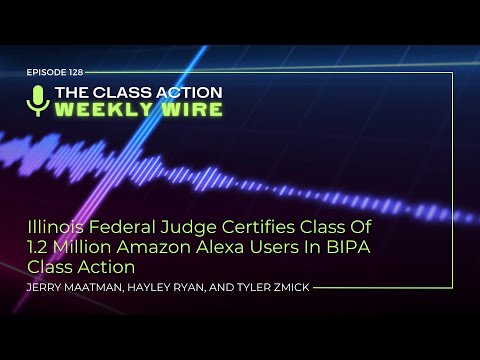
So, you’ve probably heard about those class action lawsuits, right? They’re those big legal battles where a group of people sues a company or organization for something they all experienced. Recently, there’s been buzz around the Alexa class action lawsuit. Basically, folks are taking on Amazon over privacy issues related to their Alexa devices. Yeah, it’s kind of a big deal.
Now, here’s where the jury comes in. You see, juries play an essential role in these cases. Think of them as the bridge between the law and everyday people. They sit through all that heavy legal talk and evidence and then make decisions based on what they think is fair. It’s like being in a group project at school—everyone has different opinions about what should happen but you need to come together to figure it out.
In this specific case about all those hidden data practices of Alexa, jurors will be tasked with digging into some pretty technical stuff—like how much data is actually collected and whether it was done without proper consent. It can feel overwhelming because tech isn’t everyone’s strong suit! I mean, just think about it: how many of us really read all those privacy policies before clicking “accept”?
What really hits home for me is imagining someone like my grandma sitting on that jury, trying to grasp how her favorite voice assistant might be recording her conversations without her knowing. It could get personal real fast if she felt her privacy had been violated!
And if the jury finds for the plaintiffs? Well, that’s huge! It could change how companies handle your personal information in ways we might not even understand right now. This isn’t just some legal mumbo-jumbo; it affects your daily life and comfort level with technology.
So yeah, the jury isn’t just there to check a box; they’re crucial to deciding whether companies like Amazon should change their practices or face some serious consequences for mishandling people’s privacy—something we all care about on various levels. It’s an intricate dance between law and society’s evolving relationship with tech that’s definitely worth keeping an eye on!




