
The information provided in this article is intended solely for general informational and educational purposes related to U.S. laws and legal topics. It does not constitute legal advice, legal opinions, or professional legal services, and should not be considered a substitute for consultation with a qualified attorney or other licensed legal professional.
While efforts have been made to ensure the information is accurate and up to date, no guarantees are given—either express or implied—regarding its accuracy, completeness, timeliness, or suitability for any specific legal situation. Laws, regulations, and legal interpretations may change over time. Use of this information is at your own discretion.
It is strongly recommended to consult official sources such as the U.S. Government (USA.gov), United States Courts, or relevant state government and court websites before acting on any information contained on this website or article. Under no circumstances should professional legal advice be ignored or delayed due to content read here.
This content is of a general and informational nature only. It is not intended to replace individualized legal guidance or to establish an attorney-client relationship. The publication of this information does not imply any legal responsibility, guarantee, or obligation on the part of the author or this site.
Hey! Let’s chat about something you might not think about every day—overtime laws and the jury system. Sounds a bit dry, right? But stick with me!
Imagine you’re working late, feeling that burnout creeping in. You thought you’d get paid extra for all those hours. Then, out of nowhere, confusion hits. What are the rules really?
And then there’s the jury system. It’s like the wild card in our legal game, making decisions that affect lives. Ever wondered how it all connects?
So, let’s break it down together! We’ll tackle how overtime laws fit into this whole legal picture and what it means for you or someone you know. Ready?
State-by-State Guide: Employer Obligations for Jury Duty Pay
Employer Obligations for Jury Duty Pay: A State-by-State Overview
So, you’ve got a jury summons. You’re excited, nervous, or maybe just hoping it doesn’t interfere with your work schedule. But what about getting paid? That’s a tricky one, and it really depends on where you live. Each state has its own rules regarding employer obligations for paying employees during jury duty.
Firstly, federal law doesn’t mandate that employers pay employees for time spent on jury duty. So, the laws can differ widely depending on the state you’re in. Let’s break it down a bit.
Some states require employers to pay their workers for attending jury duty. For instance:
- California: Employers must pay employees their regular wage for up to three days of jury service.
- New Jersey: Employees get paid up to $5 per day for the first three days of jury service.
- Pennsylvania: Employers have to pay employees $9 per day after the first three days of service.
Then there are states that have no specific laws requiring payment at all. In these places, it’s really up to the employer whether they want to keep paying you or not while you’re off serving as a juror.
But it’s not just about getting paid during your time as a juror; some states offer protections against retaliation for serving:
- New York: Employees cannot be fired or face any negative employment actions due to serving on a jury.
- Maine: Similar protections exist where employers can’t penalize employees for fulfilling this civic duty.
Now consider this scenario: Imagine you’re working your regular job and you get summoned for jury duty next week. Your boss says they’ll dock you pay if you take time off. If you’re in California or New Jersey, that’s not cool—you’re entitled to some form of compensation! However, if you’re in a state without any protective measures or payment requirements, well, that’s probably just something you’ll have to deal with.
Don’t forget about overtime laws too! If an employee is called in and then has to miss work leading into overtime shifts because of jury duty, states vary on whether those hours can be counted towards overtime calculations.
Also worth noting is how some employers choose to handle these situations voluntarily—they might offer full pay or even go above and beyond what state law requires just because they value civic engagement.
In summary, understanding your rights when it comes to jury duty goes beyond just showing up at the courthouse door. Depending on where you’re located in the U.S., you might find yourself with different expectations regarding payment from your employer while doing your civic duty. So always check out local laws and don’t hesitate to chat with HR if you feel like something’s off!
The Crucial Role of Juries in Upholding Justice in the American Legal System
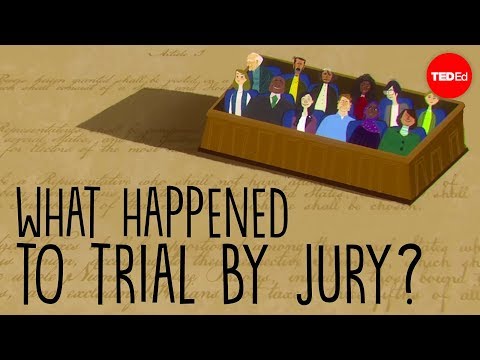
The American jury system plays a vital role in upholding justice, particularly when it comes to legal matters like overtime laws. You might be wondering, what’s the connection between juries and those overtime rules? Well, buckle up, because it’s a pretty important one.
Firstly, let’s break down what overtime laws are all about. Basically, they require employers to pay workers more when they work over a certain number of hours in a week. If you’re clocking in more than 40 hours, you’re entitled to that sweet time-and-a-half pay. But enforcing these laws isn’t always straightforward. That’s where juries come into play.
When disputes arise—like an employee claiming their boss hasn’t paid them properly for overtime—the case can go to court. Here’s where things get interesting: juries are made up of ordinary people. They bring their perspectives and life experiences into the courtroom, helping to evaluate whether the employer followed the law or not.
Imagine this: you’ve worked long hours at your job and your paycheck just doesn’t seem right. You decide to take legal action against your employer for underpayment of overtime. The jury hears both sides of the story—your struggles versus your employer’s defense. They get to weigh evidence and decide if you were indeed cheated out of your hard-earned money.
The jury’s decision has real consequences. Depending on what they decide, you could end up receiving back pay or even damages for stress and inconvenience caused by not being compensated fairly. It’s about fairness and accountability—two fundamental pillars of justice.
Moreover, juries help ensure that powerful entities can’t simply bulldoze over individual rights. When employees feel like they have been wronged but fear retaliation from their employers, knowing that an impartial group of peers will listen to their side is crucial for maintaining trust in the legal system.
In addition to handling specific cases like yours, juries contribute to shaping workplace norms over time. Their verdicts reflect societal values around work compensation and fairness. When a jury sides with an employee who has been wronged, it sends a message that the community collectively cares about workers’ rights.
Of course, not every case gets decided by a jury; some settle beforehand or even go through arbitration instead. But when those cases do reach a courtroom full of peers weighing in on justice, it emphasizes the importance of civic duty—each juror playing a part in ensuring fairness is upheld for everyone involved.
So next time someone mentions overtime laws or jury duty—or maybe you’re even called up for service yourself—you’ll have a clearer picture of how critical juries are in maintaining justice within our legal framework! You see? It all ties together!
Federal Judge Blocks Overtime Pay Expansion: Implications for Workers and Employers
The news that a federal judge has blocked the overtime pay expansion is making waves, and it’s important to break down what this really means for both workers and employers.
First off, overtime laws are designed to ensure that employees are compensated fairly for their extra hours worked. Generally, if you work over 40 hours in a week, you’re entitled to time-and-a-half pay. But things can get complicated when it comes to who qualifies for that extra pay.
With the recent ruling, the judge decided to put a hold on changes made during the Obama administration that would have expanded overtime eligibility. This means that fewer workers will benefit from those protections moving forward. You see, there are specific salary thresholds set for employees to be eligible for overtime. If your pay is above that threshold, then—well—you might not get the extra cash for your long hours.
Now let’s think about how this impacts everyday workers. For many folks who count on those overtime hours to cover bills, save for vacations, or just afford some of life’s little luxuries, this ruling could hit hard. Imagine putting in all those extra hours at work and not seeing much difference in your paycheck? It’s frustrating!
On the flip side, employers might feel relieved—or at least less burdened—with this ruling. The idea of paying more in wages can cause financial stress for businesses. Small businesses really worry about these kinds of changes because they often operate with tighter margins.
But here’s where it gets interesting: the impacts aren’t just economic. This ruling also feeds into larger conversations about workplace rights and the balance of power between employers and employees. Employers may have more say over wages now, but workers could lose out on fair compensation for their labor.
And then we come back around to how all of this relates to our jury system. When legal disputes arise over wage laws or working conditions, juries are sometimes tasked with deciding those cases. A jury made up of average citizens weighs the evidence presented and helps ensure fairness based on community standards.
So what do you think? Is this ruling fair or does it tip too far in favor of employers? Either way, it’s clear that these types of decisions have real-life consequences—shaping not just business practices but also impacting individuals trying to make a living.
In summary:
- The federal judge’s decision affects overtime eligibility.
- Workers may face reduced financial benefits.
- Employers might feel relieved but at what cost?
- The situation highlights broader issues around worker rights.
- This ties into jury responsibilities when disputes arise.
Understanding these angles will help you grasp why changes like these matter—not just legally but practically in everyday life!
Let’s talk about overtime laws and how they fit into the grand scheme of things, especially when you think about the jury system in the U.S. It might seem like an odd pairing at first, but there’s something deeper going on here.
So, picture this: You’re working your tail off at a job that pays hourly. You’re clocking in extra hours because, well, life’s expensive, right? And then you find out—surprise—that you’re not getting paid for all that hard work over 40 hours in a week. That’s where overtime laws come into play. Basically, these laws are meant to protect workers from getting shortchanged for their time. If you work more than 40 hours a week, you should be paid at least time and a half for those extra hours. It seems simple enough, but not every employer plays fair.
Now swing it back to juries for a moment. Imagine being one of those jurors who’s supposed to decide if a worker was wronged by their employer over unpaid overtime disputes. You’re sitting there listening to testimonies and evidence. It’s kind of wild when you think about it—the power jurors have to impact someone’s life based on their understanding of fairness and justice within the context of labor laws.
I remember this story from a friend who once served on a jury for an overtime pay case. It was really eye-opening for him; he couldn’t believe how complex these situations could get! There were plenty of emotional testimonies from workers who depended on that extra money just to make ends meet. It wasn’t just numbers on some paycheck; it was people trying to feed their families or keep their homes.
In this intricate dance between overtime laws and jury duties, it’s all about fairness—fair compensation for hard work and fair judgment from everyday citizens who are called upon in those moments of legal tension. Sometimes it feels like life boils down to these fundamental truths: Everyone deserves respect for their labor and the chance at justice when that respect isn’t given.
So the next time you hear about someone serving as a juror, just think—a lot rides on those decisions. Whether it’s determining if someone deserves pay they worked for or ensuring that businesses follow labor laws properly, it all ties back into what we consider just and fair in society. And yeah, maybe there’s more weight behind those seemingly distant concepts than we realize!




