
The information provided in this article is intended solely for general informational and educational purposes related to U.S. laws and legal topics. It does not constitute legal advice, legal opinions, or professional legal services, and should not be considered a substitute for consultation with a qualified attorney or other licensed legal professional.
While efforts have been made to ensure the information is accurate and up to date, no guarantees are given—either express or implied—regarding its accuracy, completeness, timeliness, or suitability for any specific legal situation. Laws, regulations, and legal interpretations may change over time. Use of this information is at your own discretion.
It is strongly recommended to consult official sources such as the U.S. Government (USA.gov), United States Courts, or relevant state government and court websites before acting on any information contained on this website or article. Under no circumstances should professional legal advice be ignored or delayed due to content read here.
This content is of a general and informational nature only. It is not intended to replace individualized legal guidance or to establish an attorney-client relationship. The publication of this information does not imply any legal responsibility, guarantee, or obligation on the part of the author or this site.
So, you just moved into an apartment, huh? Exciting stuff! But wait—what’s up with all those notices? Seriously, they can be kinda overwhelming. You know, like when you get that random letter about your rent increase or maintenance work. It’s like… what do you even do?
Well, it turns out there are some real rules behind those written notices. They’re not just random pieces of paper. There’s actual law involved! And understanding them can save you a lot of headaches down the line.
You probably want to figure out what your rights are—or maybe how to craft a notice of your own. Either way, knowing the ins and outs can totally help you navigate life in your new digs. So let’s break it down in a way that makes sense!
Understanding Landlord Responsibilities: Is Written Notice Required?
When you rent an apartment, it’s super important to know what your landlord is supposed to do, right? There’s a lot that goes into being a landlord, and responsibilities can vary from state to state. A big question that often pops up is whether written notice is required for various actions. So, let’s break this down.
First off, most landlords are expected to keep their properties in a habitable condition. This means fixing stuff that could be considered dangerous or could make living there uncomfortable. Think leaky roofs or broken heaters in the winter! If something goes wrong, you might wonder if your landlord needs to give you written notice before making repairs or changes.
Now, about written notices. In general, many states do require landlords to provide some form of notice before entering your apartment. Usually, this is called “notice of entry.” The timeframe can vary—sometimes they need to give 24 hours’ notice; other times it might be 48 hours. They’re typically expected to do this in writing unless it’s an emergency.
However, there are exceptions. For instance, if it’s an urgent situation where safety is at risk (like a gas leak), they can usually come in without any prior notice. Yeah, nobody wants them waiting around when things are on fire—literally!
Let’s get into different situations for written notices:
- Rent Increases: Most places require landlords to give you a written notice before they hike up the rent. This isn’t just polite; it’s usually the law.
- Eviction Notices: If your landlord wants you out for some reason (like not paying rent), they have to provide a written notice detailing why and when you need to leave.
- Lease Renewal: Depending on local laws, they might need to send you a written reminder when your lease is about to expire and what options you have.
So now you’re probably thinking—what if your landlord doesn’t follow these rules? Well, guessing what happens isn’t fun. Typically, if they’re not following the law regarding notices and rights, that could open up opportunities for legal action on your part. Maybe small claims court or just having a good talk with them could help.
Just remember: knowing which documents and communications constitute “written notice” can be key here! Email may count in some places but not all; sometimes physical mail needs to be involved.
All in all, while most of this depends on where you’re living—states have their specific statutes—the idea of landlords needing to keep you informed through written notices is pretty common across the board. And staying well-informed means you’ll know how best to respond if things get tricky between you and your landlord!
Essential Guide to Crafting a Notice Letter for Apartment Tenancy
You know, when it comes to renting an apartment, there are a few things you need to get right. One of them is crafting a solid notice letter if you’re planning to end your lease or notify your landlord about something important. Let’s break it down so it makes sense.
First off, **a notice letter is basically a formal way of communicating important information** related to your tenancy. This might be everything from giving notice that you’re moving out, to informing the landlord of repairs that need to be made.
Understanding Your Lease Agreement
Before you put pen to paper, take a good look at your lease agreement. Most leases will spell out exactly how much notice you need to give before moving out—often it’s 30 days, but hey, sometimes it can be longer or shorter depending on the arrangement. You don’t wanna be caught off guard by that!
What Goes in the Notice Letter
Your notice letter should be clear and concise. Here’s a little breakdown of what you’d typically want to include:
- Your Address: Start with your full address at the top.
- Date: Write the date when you’re sending this letter.
- Landlord’s Address: Include your landlord’s name and address as well.
- Subject Line: Something simple like “Notice of Intent to Vacate” or “Request for Repairs” works just fine.
- Your Message: Clearly state what you’re notifying them about. If you’re moving out, mention your move-out date!
- Signature: Finish off with your signature at the bottom.
An Example in Action
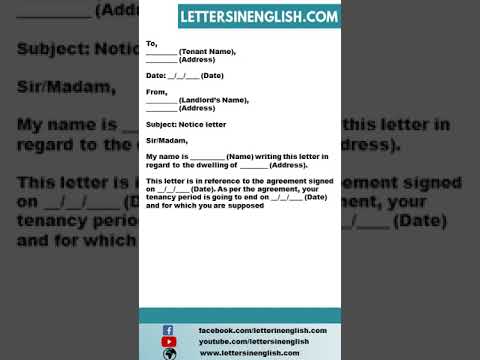
Let’s say you decided it’s time to move on from your cozy one-bedroom apartment. Your notice letter might look something like this:
—
[Your Name]
[Your Address]
[City, State ZIP Code]
[Email Address]
[Date]
[Landlord’s Name]
[Landlord’s Address]
[City, State ZIP Code]
Subject: Notice of Intent to Vacate
Dear [Landlord’s Name],
I hope this letter finds you well! I’m writing to give my official notice that I will be vacating my apartment [Apartment Number or Description], effective [Move-Out Date]. In accordance with our lease agreement, this provides [Notice Period – usually 30 days].
Please let me know if there are any specific move-out procedures I should follow or if you’d like me to schedule a final walk-through.
Thank you for everything!
Best,
[Your Signature]
[Your Printed Name]
—
The Importance of Sending It Properly
Now here’s where it gets real—timing and delivery matter! Make sure you’re sending it properly. Either hand deliver it (preferably with proof) or send it via certified mail so you’ve got a record that they received your notice.
Catching Up on Repairs?
If you’re reaching out about repairs instead? Just adjust the content a bit while still being polite and straightforward. It could be something like: “I’ve noticed that the kitchen faucet is leaking…”
The Bottom Line
Remember, communication is key in these situations! Being clear and polite can make everything smoother for both parties involved.
And there ya go—your essential guide right here! Whether you’re saying goodbye or just asking for fixes around the place, putting together a solid notice letter can go a long way in keeping things professional and friendly.
Identifying Red Flags in Lease Agreements: Key Concerns for Tenants
When you’re about to sign a lease for an apartment, it’s super important to look out for some red flags. You want to make sure everything’s cool before you commit, right? Here are a few key concerns that really need your attention.
1. Unclear Terms: A lease should be crystal clear. If you find vague language or terms that seem confusing, that’s a huge red flag. For example, saying “rent may vary” without specifying how much or when is just asking for trouble.
2. Hidden Fees: Watch out for extra costs that aren’t detailed in the main part of the lease. Things like cleaning fees or maintenance charges should be laid out clearly. If they pop up later, you might feel scammed.
3. Length of the Lease: You really need to check how long you’re locked in for. If you’re signing a year-long lease but feel like the apartment just doesn’t sit right with you after a couple of months, you could end up feeling trapped.
4. Early Termination Clauses: Make sure there’s a way out if life gets messy—like losing your job or needing to move unexpectedly. If the terms are harsh or nonexistent, think twice before signing on that dotted line.
5. Security Deposits: Look closely at how much they’re asking for and what conditions there are for getting it back. If it’s too high compared to standard rates in your area or if the conditions seem unreasonable, that’s definitely something to question.
6. Maintenance Responsibilities: Your lease should specify who takes care of repairs and maintenance issues—it shouldn’t just say “we’ll fix things.” Not being clear about this could leave you stuck with unexpected repair bills.
Now here’s the thing: it might seem overwhelming, but catching these red flags early can save you a ton of stress down the line! Just take your time reading through everything and don’t be afraid to ask questions about anything that seems off.
In short, keep an eye on these key areas while reviewing any lease agreement. You want peace of mind while renting—not headaches later on! So go ahead and protect yourself; it’s totally worth it!
So, let’s talk about written notices for apartments, something that sounds super boring but is actually pretty important in the rental world. You know when you’re renting a place and you run into situations like needing to fix something or getting a notice to vacate? Yeah, that’s where written notices come into play.
Most leases require landlords to provide formal notifications for all sorts of stuff—rent increases, maintenance work, lease terminations. It’s not just about being polite; it’s about keeping things above board legally. Imagine being hit with a rent hike suddenly without any warning! That’d be pretty rough, right? Written notices help ensure there are no surprises, giving both you and the landlord a record of what’s going on.
Take this one time when my friend Jake was renting an apartment. His landlord decided out of the blue to raise the rent. But Jake had this awesome lease clause saying he needed at least 30 days’ notice before any changes. Luckily for him, the landlord didn’t follow through with proper written notice. So Jake was able to stick to his original rent for another month while looking for better options.
Now let’s break down some types of written notices you might encounter: first off is the notice to pay rent or quit. If you fall behind on payments (we’ve all been there!), your landlord usually has to send this kind of notice before they can kick you out—basically reminding you that hey, rent’s due!
Then there are repair requests or notices of needed repairs from landlords. If something breaks down—like your heater in winter—they often need to provide written notice of when they’ll come by to fix it. This helps keep everyone informed and makes sure they respect your space.
Oh! And what about eviction? Yup, eviction notices have their own special set of rules depending on where you live. In many places, landlords have to give a certain amount of time before they can start the eviction process after sending that notice.
Understandably, these rules can vary quite a bit from state to state; some places might have stricter requirements than others. The thing is, knowing your rights and responsibilities can save you from some serious headaches down the line.
To sum it up (not that I’m ending here), written notices act like those safety nets we sometimes need in chaotic rental situations. They keep things organized and fair for both parties involved—and honestly? It just makes life easier overall!




