
The information provided in this article is intended solely for general informational and educational purposes related to U.S. laws and legal topics. It does not constitute legal advice, legal opinions, or professional legal services, and should not be considered a substitute for consultation with a qualified attorney or other licensed legal professional.
While efforts have been made to ensure the information is accurate and up to date, no guarantees are given—either express or implied—regarding its accuracy, completeness, timeliness, or suitability for any specific legal situation. Laws, regulations, and legal interpretations may change over time. Use of this information is at your own discretion.
It is strongly recommended to consult official sources such as the U.S. Government (USA.gov), United States Courts, or relevant state government and court websites before acting on any information contained on this website or article. Under no circumstances should professional legal advice be ignored or delayed due to content read here.
This content is of a general and informational nature only. It is not intended to replace individualized legal guidance or to establish an attorney-client relationship. The publication of this information does not imply any legal responsibility, guarantee, or obligation on the part of the author or this site.
So, you’ve probably heard about the AT&T class action settlement, right? It’s been making the rounds, and honestly, it raises some eyebrows.
I mean, who doesn’t want to get a little something back when they feel like they’ve been wronged? We all have those moments when we think, “This isn’t right!”
What’s interesting is how these settlements actually tie into our justice system. They show how everyday folks can band together to hold big companies accountable. Kind of like David versus Goliath, huh?
But that doesn’t mean it’s all smooth sailing. There’s a lot to unpack here about what this settlement really means for you and me. Curious? Let’s get into it!
Understanding Individual Payouts from the AT&T Settlement: What to Expect
There was a big class action settlement involving AT&T, and you might be wondering how that affects you, especially if you’re part of the class. So, let’s break it down.
The AT&T settlement came about because the company was accused of misleading customers about unlimited data plans and throttling their service. If you were one of the folks who signed up for these plans, you may be eligible for some compensation.
What to Expect with Individual Payouts
When it comes to individual payouts from this kind of settlement, there are a few things to keep in mind:
- Eligibility: You need to have been a customer during the time frame specified in the settlement. If you didn’t have an AT&T unlimited data plan during that period, then chances are you won’t get anything.
- Payout Amount: The amount you’ll get isn’t set in stone. It often depends on how many people file claims and how much total money is being divided. For example, if there are thousands of valid claims, your payout could be less than what you’d hope for.
- Distribution Process: After submitting your claim (if you’re eligible), you’ll usually wait a bit while everything gets processed. It can take months before checks start going out or credits applied to accounts.
- No Fees: If someone reaches out claiming they can help you file your claim for a fee, be cautious! There’s no need to pay anyone—filing is typically straightforward and free through official channels.
The payouts aren’t usually massive amounts; sometimes they’re small refunds or credits on future bills, but every little bit helps when you’re just trying to get what you’re owed!
Anecdote time: imagine Sarah. She was a loyal AT&T customer who felt frustrated with her internet speeds dropping at peak times. When she heard about the lawsuit, she wasn’t sure if it would matter to her at all—like most people who hear “class action,” right? But after filing her simple online claim form, she got a check in the mail months later that helped cover her next month’s bill. It wasn’t life-changing money but hey—every little bit counts!
If you think you might qualify for this sort of payout, make sure to keep an eye on any deadlines related to filing your claim. These settlements often have cut-off dates that can sneak up on ya!
In summary, if you’ve been impacted by AT&T’s practices as described in this settlement and follow through with filing your claim correctly, there’s a chance you’ll see some money back in your pocket. Just keep everything organized and make sure you’re aware of those important dates! You never know—it could help ease those monthly expenses just a tad.
AT&T Settlement Status Update: Key Developments and Implications
Sure thing! Here’s a straightforward look at the AT&T class action settlement and what’s been happening with it lately.
Background on the Settlement
So, there was this class action lawsuit against AT&T that basically claimed they were doing some sneaky things with customer data. People were upset about how their personal information was handled without proper consent. A lot of folks banded together to say, “Hey, we deserve better!” This led to a settlement where AT&T agreed to pay millions back to those affected.
Latest Developments
Recently, there have been some updates on the status of this settlement. Some key points include:
- Payment Distribution: The courts have started approving payments to the claimants. If you filed a claim, keep an eye out for your check!
- Legal Fees: A chunk of the money will go towards legal fees. This isn’t unusual since lawyers put in a lot of work making sure everyone got represented fairly.
- Eligibility Issues: There have been some questions about who exactly qualifies for compensation. You want to make sure you checked if your claim was valid.
- Ongoing Monitoring: After the settlement, AT&T has agreed to implement better practices around privacy and data security. They’re under some scrutiny now!
The Implications
So, what does this mean for you? Well, it’s significant on several levels:
- Civil Rights Awareness: This case raises awareness about consumer rights when it comes to privacy violations.
- Paving the Way: Settlements like this can set precedents for future cases against other companies doing similarly shady stuff.
- You’re Not Alone: It shows that if you feel wronged as a consumer, teaming up with others can lead to real change and hold big companies accountable.
The bottom line is that these kinds of settlements matter in shaping how companies operate and how they treat customers. It also reinforces that your voice counts in the legal system, especially when standing up for your rights!
Hopefully, this gives you a clearer picture of what’s going on with the AT&T settlement and why it really matters in terms of consumer justice in America!
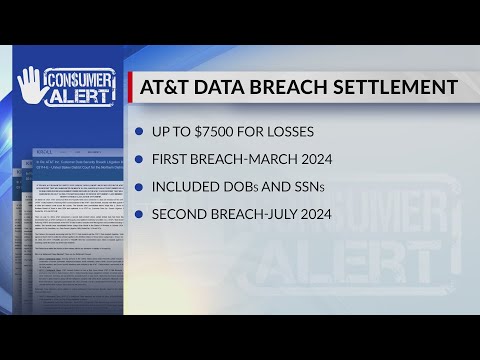
Eligibility Criteria for the AT&T Data Breach Settlement: Who Can Claim?
The AT&T data breach settlement is a big deal. If you’re wondering whether you can claim, let’s break down the eligibility criteria. When data breaches happen, it often puts a lot of personal information at risk. So, understanding who qualifies for a claim is super important.
First off, you need to have been an AT&T customer. This includes anyone with an active account during the timeframe of the breach. If your personal info was involved in the breach, then you’re in the running for compensation. So basically, if you had an account with them back when those tricky hackers did their thing, listen up.
Next up is the date range. You need to check if your account was active between specific dates set by the settlement notice. Often these dates are mentioned when settlements are announced. For instance, if they say from January 1 to December 31 of a particular year, only customers during that time can file a claim.
Now, if you’ve been affected by malicious activities due to this breach – like identity theft or fraud – it strengthens your claim. Documenting the effects can be key here. If you spot unexplained charges on your accounts or receive weird emails asking for more info, that’s something you should definitely note down.
There’s also this thing about proof of loss. You might need to show proof that you were harmed because of this data leak. This could mean providing bank statements or credit reports pointing out unusual activity tied to your information.
Lastly, make sure you’re within the filing window. There are deadlines for filing claims, and missing these can mean missing out on any compensation entirely! Make it a habit to pay attention to those dates when settlements get announced.
So there you have it: being an AT&T customer during the specified period and showing some proof of harm are major pieces for claiming in this settlement. If all this applies to you? Well then you’ve got quite the shot! Just keep everything documented and stay aware of those crucial deadlines so you’re not left out in the cold when claims open up.
So, have you heard about the AT&T class action settlement? It’s kind of a big deal, and it really makes you think about how justice works in America. Picture this: a bunch of folks, everyday customers, feeling like they’ve been wronged by a big corporation. They believe they got charged unfairly for something they didn’t even sign up for. You can imagine the frustration, right?
A class action lawsuit is where a group of people band together to file a suit against someone—like a huge company. It’s basically like saying, “Hey! We’re all in the same boat here.” Instead of each person trying to fight this giant alone, they unite for strength and fairness. And that’s what happened with AT&T.
Sometimes it’s hard not to feel small when you’re up against a massive corporation with endless resources. That’s why class actions are important; they allow individuals to stand up against powerful entities without fear of being crushed in legal battles or financially drained from endless court fees.
When it comes to settlements like these? They can feel a bit bittersweet. Sure, there’s money involved and some form of justice served—hopefully! But you also wonder if it’s really enough. I mean, the payout might seem big on paper but doesn’t always reflect the real harm done or how long people have been affected.
Still, it shows that there is some level of accountability in our system. People coming together, fighting back against unfair practices—that’s part of what American justice is all about. And who knows? Maybe this settlement prompts AT&T and other companies to think twice before making decisions that hurt their customers.
But then again, I can’t help thinking about the individual stories behind the lawsuit—the hardworking folks who felt cheated or confused by their bills for years. When these cases settle, that’s not just numbers flying around; it’s real lives being impacted. That kind of human element makes you reflect on how important it is for everyone to be aware of their rights and be willing to speak out when something feels off.
So yeah, while we see these settlements as victories for consumers, they also highlight the ongoing struggle between regular folks and massive corporations. It’s an imperfect system but one that keeps evolving—and that’s what makes participating in it so crucial for everyone involved!




