
The information provided in this article is intended solely for general informational and educational purposes related to U.S. laws and legal topics. It does not constitute legal advice, legal opinions, or professional legal services, and should not be considered a substitute for consultation with a qualified attorney or other licensed legal professional.
While efforts have been made to ensure the information is accurate and up to date, no guarantees are given—either express or implied—regarding its accuracy, completeness, timeliness, or suitability for any specific legal situation. Laws, regulations, and legal interpretations may change over time. Use of this information is at your own discretion.
It is strongly recommended to consult official sources such as the U.S. Government (USA.gov), United States Courts, or relevant state government and court websites before acting on any information contained on this website or article. Under no circumstances should professional legal advice be ignored or delayed due to content read here.
This content is of a general and informational nature only. It is not intended to replace individualized legal guidance or to establish an attorney-client relationship. The publication of this information does not imply any legal responsibility, guarantee, or obligation on the part of the author or this site.
You’ve got a beef with a lawyer? Yeah, it happens. Sometimes, they don’t quite live up to the hype. Maybe they dropped the ball on your case or just didn’t show you the respect you deserve.
So, what can you do? Well, one option is to file a bar complaint. Sounds intense, right? But it’s really just a way to let folks know when something’s off.
In this little chat, we’ll walk through what you need to know about filing that form. It might feel a bit daunting, but together, we’ll break it down into bite-sized pieces. You ready? Let’s go!
Step-by-Step Guide: Filing a Complaint Against an Attorney in Ohio
So, you’ve found yourself in a situation where you feel an attorney didn’t do their job right? Or maybe they acted unethically? It’s definitely frustrating, but the good news is that you can file a complaint against them. If you’re in Ohio, here’s how to go about it.
First off, know that the process is handled by the **Ohio Supreme Court** through the **Office of Disciplinary Counsel**. They oversee complaints against attorneys in Ohio, so this is your starting point.
Now, here’s a simple breakdown of what to do:
1. Gather Your Evidence
Before you dive into the paperwork, collect all the relevant materials related to your case. This might include documents like emails, contracts, or notes from conversations with the attorney. Basically, anything that helps illustrate your point will make your complaint stronger.
2. Understand What Constitutes Misconduct
You can only complain about things like dishonesty, neglecting a case, or not following ethical rules. Just being unhappy with a legal outcome isn’t enough; for example:
If your issue fits into these categories (or others involving ethics), move on to the next step!
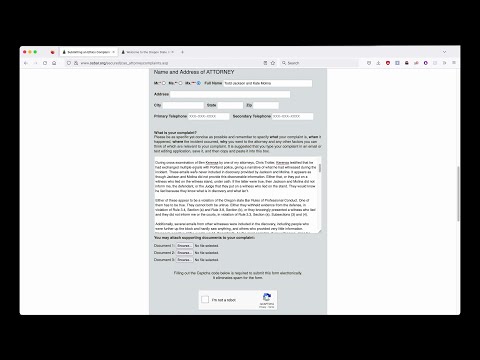
3. Fill Out the Bar Complaint Form
Go to the **Ohio Supreme Court’s website**, where you’ll find instructions and the necessary forms for filing a complaint. The form will ask for details about you and your attorney plus specifics about what went wrong.
When filling this out:
4. Submit Your Complaint
Once everything is filled out nicely—double-check for any errors—send it in! You can usually submit it via mail or online if there’s an option available on their site.
5. Wait for a Response
After submitting your complaint, be prepared to wait a bit for feedback. The Office of Disciplinary Counsel will investigate it and may reach out for more info or clarification.
Their process might take several months depending on how complicated things are—I know that sounds long! But hang tight because getting this right is important.
6. Potential Outcomes
After their investigation, which might include interviewing witnesses or reviewing more documents:
It’s kinda wild what can happen based on someone’s actions—hopefully yours leads to something just!
A Quick Note:
If you’re thinking about going this route because of potential criminal behavior by your lawyer (like fraud), don’t hesitate: contact law enforcement instead.
To sum it up: filing a complaint against an attorney in Ohio isn’t just tossing spaghetti at a wall and hoping something sticks. It takes effort but can lead to accountability if they’ve stepped out of line! Just remember: keep everything factual and organized—it’ll help both you and those looking into your claim!
Top Reasons to File a Complaint Against Your Attorney: Understanding Your Rights
So, you’re feeling like your attorney has dropped the ball? It’s frustrating, right? Sometimes you might need to think about filing a complaint against them. Let’s get into it.
Why file a complaint? Well, attorneys are held to high standards of conduct. When they fall short, it can really mess things up for you. Just imagine trusting someone to handle your case only to find out they aren’t doing their job properly!
Here are some of the top reasons people decide to file a complaint against their attorney:
- Negligence: This is when your attorney fails to do something that a competent lawyer would have done. Imagine if they miss a critical deadline or don’t file necessary paperwork—it could seriously hurt your case.
- Lack of Communication: Keeping you in the loop is key. If your lawyer doesn’t return calls or respond to emails for weeks on end, it might feel like you’re in the dark about what’s happening with your own case.
- Conflict of Interest: An attorney must act in your best interests. If they have a conflict that affects their ability to represent you—like representing someone on the other side—they’re crossing a line.
- Dishonesty: Honesty is crucial in any relationship, and that goes double for client-attorney relationships. If your lawyer lies about fees or makes false promises regarding outcomes, that’s definitely grounds for complaint.
- Lack of Competence: If it seems like your attorney just doesn’t understand basic legal principles related to your case or isn’t prepared, it could be time for action.
Filing a bar complaint isn’t as scary as it sounds, but there are steps to follow. You generally start by contacting the state bar association where your attorney practices. They usually have a form and specific instructions on how to fill it out.
You’ll need clear facts—dates, conversations, incidents—anything that helps illustrate what went wrong with their representation of you. Think about this: each little detail can paint a bigger picture of neglect or misconduct.
But remember: filing isn’t just about getting back at someone because you’re frustrated; it’s also about protecting yourself and ensuring lawyers uphold standards within the profession.
The process can vary by state, so check with local resources and see how complaints are handled there. And yes, if things get complicated or overwhelming during this process—consider reaching out for help from someone who knows the ropes.
In summary, if you’ve been wronged by an attorney’s actions (or lack thereof), filing a complaint might be necessary not just for you but also for others who might encounter similar issues down the line. You’ve got rights!
Step-by-Step Guide: Filing a Complaint Against a Magistrate in Ohio
Filing a complaint against a magistrate in Ohio can feel pretty daunting, but it doesn’t have to be. You just need to know the steps and what to expect. So, let me break it down for you.
Step 1: Understand the Grounds for Filing a Complaint
Before you jump in, seriously consider why you’re filing this complaint. Are you unhappy with a ruling? Did you see unethical behavior? In Ohio, you can file if there’s evidence of misconduct or incapacity. Take some time to think about your experience and if it matches up.
Step 2: Gather Your Evidence
Collect any documents related to your case—court records, correspondence, and anything else relevant. The more organized you are, the better posistion you’ll have when filing your complaint. Like, if you have a specific incident in mind, write that down in detail.
Step 3: Draft Your Complaint
Now it’s time to put pen to paper (or fingers to keyboard). You’ll want to clearly outline your complaint. Include specifics like dates, what exactly happened and how it affected you or others involved. Be straightforward but don’t go overboard with emotions; stick with the facts here.
Step 4: File with the Correct Authority
In Ohio, complaints against magistrates typically go through the Ohio Supreme Court’s Office of Disciplinary Counsel or the local court involved. Make sure you’re sending it to the right place! Double check their website for any specific forms or requirements because getting that right will save some trouble later.
Step 5: Submit Your Complaint
Once you’ve got everything ready—proofread it if possible—submit your complaint as instructed by the authority. Pay attention here; sometimes they require electronic submission while other times it’s good old-fashioned mail. Always keep a copy for yourself!
Step 6: Await Response
After filing, expect some waiting time as these things take a bit of processing. The agency will usually review your submission and inform you about next steps or whether an investigation will happen. This part can be nerve-wracking but hang tight!
Step 7: Possible Follow-Up Actions
Depending on how things pan out—and assuming they take action—you might get asked for more info or clarification on what you’ve provided already. Keep an eye out for any communications from them because staying on top of this could make all the difference.
So yeah, that’s basically how you’d go about filing a complaint against a magistrate in Ohio! It can feel overwhelming at first glance but breaking it down into manageable pieces really helps make sense of everything involved in this process.
Filing a bar complaint form is one of those things most people don’t think about until they have to. I mean, really, how often do you sit down and consider what happens if you feel your lawyer isn’t doing their job right? But sometimes, life throws you a curveball, and you find yourself in that situation.
Let me give you an example. A friend of mine once hired an attorney for a pretty serious issue—something like a contract dispute—and it turned into a nightmare. The attorney was never available, missed deadlines, and frankly seemed more interested in billing than helping. My friend felt lost and frustrated. After exhausting all options to resolve the issue directly with the lawyer, they finally decided it was time to take action.
Now, when it comes to filing a bar complaint form, it can feel a bit intimidating. You’re basically saying that someone who’s supposed to represent your interests didn’t live up to their responsibilities. It’s like calling out someone in public for not playing fair in a game. Nobody wants to seem like they’re being petty or vindictive, but there are real consequences when lawyers drop the ball.
So how does this all work? Well, most state bar associations provide clear instructions on their websites about how to file a complaint. You usually need specific details—like the lawyer’s name and address, and a description of what went wrong. It’s crucial to be thorough but also factual because emotional stories sometimes get lost amidst legal jargon.
But here’s the kicker: once you submit that complaint, you’re entering this whole process where your claims are investigated by the state bar. They might reach out for more information or even talk to the lawyer involved. It can feel like you’re under scrutiny too—so it’s really important to make sure you’ve got your facts straight.
Most people don’t want conflict; we’d rather push grievances under the rug than go through all that hustle of filing complaints. But if you’ve been genuinely wronged or misrepresented by an attorney, taking that step can bring some closure or at least accountability.
I remember how relieved my friend felt after submitting that complaint; it was like finally taking control back after feeling so powerless for so long. Sure, there’s no guarantee anything will change overnight—but standing up for yourself? That can be its own kind of justice right there.
In short, filing a bar complaint is no small matter—it requires thoughtfulness and clarity—but if it’s warranted, it can make all the difference in holding lawyers accountable and getting things back on track for you or anyone else facing similar issues in the future. Just know—it’s okay to voice those concerns; that’s part of protecting your rights!




