
The information provided in this article is intended solely for general informational and educational purposes related to U.S. laws and legal topics. It does not constitute legal advice, legal opinions, or professional legal services, and should not be considered a substitute for consultation with a qualified attorney or other licensed legal professional.
While efforts have been made to ensure the information is accurate and up to date, no guarantees are given—either express or implied—regarding its accuracy, completeness, timeliness, or suitability for any specific legal situation. Laws, regulations, and legal interpretations may change over time. Use of this information is at your own discretion.
It is strongly recommended to consult official sources such as the U.S. Government (USA.gov), United States Courts, or relevant state government and court websites before acting on any information contained on this website or article. Under no circumstances should professional legal advice be ignored or delayed due to content read here.
This content is of a general and informational nature only. It is not intended to replace individualized legal guidance or to establish an attorney-client relationship. The publication of this information does not imply any legal responsibility, guarantee, or obligation on the part of the author or this site.
Have you ever thought about where your chicken comes from? Yeah, me too.
So, there’s this thing going on—a broiler chicken class action lawsuit. Sounds wild, right? But it’s actually kinda important.
Basically, it shakes up how we view food production and consumer rights. And believe it or not, the American jury system plays a big role in all of this.
Stick with me for a minute; we’re gonna unpack this whole situation. It’s more than just chicken; it’s about fairness and accountability in our food system.
Evaluating the Legitimacy of the Broiler Chicken Settlement: Key Insights
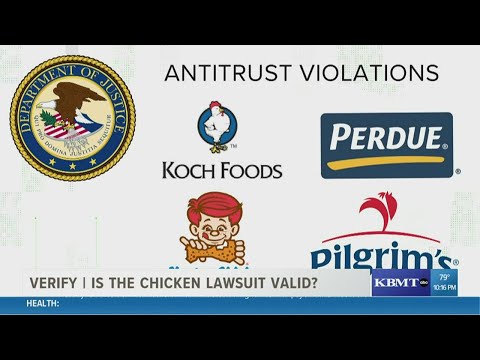
The Broiler Chicken Settlement is one of those legal cases that stirs up a lot of conversation. You know, it’s about allegations that major chicken producers conspired to fix prices, which is a big no-no in the legal world. Basically, if companies agree to set prices rather than compete with each other, that’s price-fixing, and it can hurt consumers like you and me.
Now, when we talk about legitimacy in this context, we’re looking at a few key points. First off, whether the settlement was fair to all parties involved. There are usually two sides in this type of case: the plaintiffs (the ones who filed the suit) and the defendants (the companies being sued). A settlement might seem fair from one angle but not from another. You follow?
Then there’s how the class action works. In class action suits like this one, a group of people who have been affected by the same issue bands together to sue for damages. The challenge here is making sure everyone gets their fair share if there’s a payout. If you were part of this class but never got notified or didn’t know it existed, how is that fair? Seriously.
We also have to consider the amount awarded compared to what was initially claimed. Sometimes settlements look sweet on paper—big dollar signs—but then reality hits when you realize how much each individual gets after attorney fees and other deductions. For example, if $100 million is awarded but lawyers take 30%, well… you do the math.
Another piece worth mentioning is how well it addresses future misconduct. Is there anything in this settlement that stops these companies from doing something similar again? Ideally, settlements should help prevent future issues besides just compensating affected parties.
And don’t forget about public perception and trust. If folks perceive that these settlements favor big corporations over regular consumers or farmers—especially in agricultural cases like broiler chickens—then you can bet there’s gonna be some fallout. Trust in both the companies involved and even the legal system can take a hit.
So yeah, when evaluating this settlement’s legitimacy, it’s crucial to look at fairness for all parties involved, compensation methods, prevention of future wrongful acts by those companies involved, and public trust going forward. It can get complicated! But at its core, it’s about holding these companies accountable while ensuring people feel they got justice served on their plate—or at least close enough!
Latest Developments in the Chicken Class Action Lawsuit: What You Need to Know
The chicken class action lawsuit is all about price-fixing in the broiler chicken industry. Recently, there have been some significant developments, and it’s kind of a big deal. If you’re wondering what’s going on and how it relates to the American jury system, buckle up.
First off, this lawsuit basically claims that major chicken producers conspired to keep prices artificially high. Consumers—and even smaller chicken farmers—say they were cheated by these giant companies. They argue that had there been fair competition, prices would have been lower.
So here’s what’s happened recently:
- Settlement Talks: The companies involved have recently started talking about settlements. These discussions can take time but are crucial for resolving the dispute without dragging everyone through a long court trial.
- Jury Trials: If these talks don’t pan out, the case could go to trial. And this is where the jury system comes in. A jury of your peers would hear evidence from both sides before deciding if the companies did something wrong.
- Evidentiary Challenges: One of the hurdles is gathering evidence. Price-fixing cases depend heavily on documents and emails that show collusion—something companies aren’t eager to hand over!
- Consumer Impact: The outcome matters to everyday folks like you and me because if they win, there could be refunds or price adjustments down the line.
An interesting thing to consider is how this case reflects our justice system at work. Juries are meant to be impartial and are selected from the community. In high-profile cases like this one, jurors often face challenges—from public opinion to media coverage—that can influence their decisions.
Now imagine sitting on a jury for this case! You’d be weighing evidence from both sides while thinking about how not just corporations but real people feel about their grocery bills rising over time because of these alleged practices.
Oh, and one more thing: it’s important to note how class action lawsuits can empower consumers. Instead of individual lawsuits—which could cost a fortune—people band together as a class to fight back against powerful corporations.
So yeah, whether you’re personally affected or just curious about legal stuff, keeping an eye on these developments is crucial because it impacts prices and market fairness not just in chicken but across various industries too!
Understanding Settlement Amounts in the Poultry Lawsuit: Key Insights and Implications
When folks start talking about settlement amounts in cases like the Broiler Chicken class action, it can get pretty complicated quickly. But no worries, let’s break this down in a way that makes sense. This case revolves around allegations of price-fixing among major poultry producers, and it’s a big deal because it affects prices for consumers and farmers alike.
A settlement amount is basically how much money is agreed upon to resolve the lawsuit without going to trial. So when you hear about figures being thrown around, it’s like saying, “Hey, let’s settle this now instead of dragging it out in court.” In class action suits like this, settlements can be huge because they involve a lot of people—sometimes thousands or even millions—making their claims in one go.
Now, what goes into deciding those amounts? Well, several factors play a role:
- The strength of the evidence: If the plaintiffs have solid proof that the companies engaged in unfair practices, they can push for higher settlements.
- Potential damages: How much harm was caused? If consumers overpaid significantly because of price-fixing, that figure matters when calculating settlements.
- The number of claimants: More people involved means there might be more money on the table. But it also means each person’s share could be less after splitting it up.
- Company finances: The financial health of the companies involved also impacts how much they’re willing or able to pay. If a company is struggling, they might negotiate lower settlements.
You might wonder why anyone would bother with a settlement instead of going through trial. Well, trials can take ages and are uncertain. Even if you have a strong case, there are no guarantees at trial—you could end up with nothing! Plus, settlements often happen faster and help everyone involved avoid long legal battles.
A key implication here is what these settlements mean for the jury system. They show how powerful juries are in shaping outcomes for these cases. Juries hold companies accountable by delivering verdicts based on evidence presented during trials or influencing negotiation dynamics leading to settlements.
This doesn’t just affect businesses financially; it sends ripples through the industry too. Companies may change their practices to prevent future lawsuits or improve how they operate because no one wants another legal mess on their hands!
In short, understanding settlement amounts boils down to navigating complex factors and recognizing their impact on consumers and businesses alike. It’s all part of how we ensure fairness and accountability in our economic system through legal avenues.
You ever think about how a big trial can change everything, even if it’s all about chicken? Yeah, I know it sounds a bit odd, but that’s what the broiler chicken class action suits are all about. A bunch of folks are coming together to take on some major companies. They say these companies have been up to no good—like price-fixing or unfair practices that mess with what you pay at the grocery store.
Picture this: you’re in the supermarket, looking at chicken prices, and they’re all sky-high. You feel frustrated because it seems like you’re getting ripped off. Well, a lot of people felt just like you. So they banded together and decided to take their grievances to court. It’s kind of inspiring when you think about it—regular folks joining forces against huge corporations.
Now, here’s where the American jury system comes into play. This whole process relies on everyday people stepping up to be jurors and helping decide whether those companies did indeed manipulate prices unfairly or if they were just trying to run their businesses. Being on a jury is like being part of something bigger than yourself; you’re not just judging one case—you’re part of a system that holds powerful entities accountable.
When you sit in that jury box and listen to testimonies, it brings things home in such a real way. You realize the impact these decisions can have on people’s lives. Imagine hearing stories from farmers who feel squeezed out by corporate practices or families struggling with their food budgets because of inflated prices.
But man, the pressure must be intense! You’re basically deciding if someone gets compensated for wrongdoing or if these corporations get off scot-free. It reminds me of when my buddy had jury duty last year; he was nervous but felt proud to contribute to justice in his own small way.
In today’s world where everything feels so corporate and impersonal, seeing regular people come together like this through the legal system really gives hope. Whether or not they win their case matters less than folks standing up for what they believe in—and that’s something worth clucking about!




