
The information provided in this article is intended solely for general informational and educational purposes related to U.S. laws and legal topics. It does not constitute legal advice, legal opinions, or professional legal services, and should not be considered a substitute for consultation with a qualified attorney or other licensed legal professional.
While efforts have been made to ensure the information is accurate and up to date, no guarantees are given—either express or implied—regarding its accuracy, completeness, timeliness, or suitability for any specific legal situation. Laws, regulations, and legal interpretations may change over time. Use of this information is at your own discretion.
It is strongly recommended to consult official sources such as the U.S. Government (USA.gov), United States Courts, or relevant state government and court websites before acting on any information contained on this website or article. Under no circumstances should professional legal advice be ignored or delayed due to content read here.
This content is of a general and informational nature only. It is not intended to replace individualized legal guidance or to establish an attorney-client relationship. The publication of this information does not imply any legal responsibility, guarantee, or obligation on the part of the author or this site.
You know, dealing with mold can be a total nightmare. Seriously, it’s not just gross; it can also mess with your health.
Living in an apartment with mold feels like a sneaky villain that won’t go away. You think you’re safe, but then boom! You find out that mold has decided to move in with you.
So, what do you do? Well, if your apartment complex isn’t taking care of the issue, you might be wondering about your legal options. Can you actually sue them for this?
Let’s break it down and see what you need to know about taking a stand against mold and holding those landlords accountable. It’s more possible than you think!
Step-by-Step Guide to Suing an Apartment Complex for Mold Issues
So, you’ve discovered mold in your apartment. Yikes! That can be a real headache, and dealing with an apartment complex about it can feel overwhelming. But let’s break down what you need to know if you’re thinking about taking legal action against them.
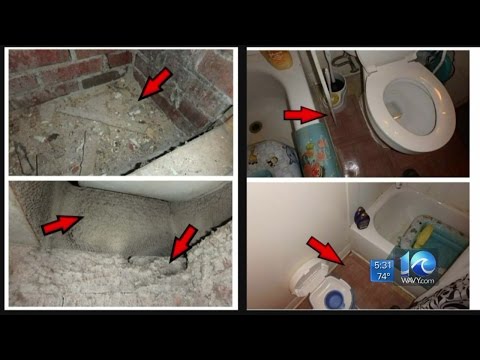
First off, **document everything**. Seriously. Take tons of photos of the moldy areas. Keep notes on when you found it, any symptoms you or your family might have experienced, like sneezing or headaches—anything that shows how this issue affects your life. This could be super important later.
Next step? **Notify your landlord or property manager** in writing. You’ve got to give them a heads-up about the problem and allow them a reasonable amount of time to address it. Just sending an email or text won’t cut it; use certified mail if possible because that gives you proof they received your complaint.
Now, here’s where things can get tricky: if they ignore your complaint or try to brush it off, it’s time to research your state laws regarding mold and tenant rights. Some states have very specific laws about how landlords must handle mold issues. You want to know what those are because they’ll dictate how strong your case is.
If all attempts to resolve the issue fail, consider getting a **mold inspection** done by a qualified professional. Having an expert confirm the presence and severity of mold can give you solid evidence for your case.
Once you’ve stacked up enough documentation and expert opinions, it’s time to think about filing a lawsuit. But hold on—before heading straight to court, try mediation first! Many states encourage this as a first step; it can save everyone time and money.
Now if mediation doesn’t work? Okay, then you’ll likely file a lawsuit in small claims court if it’s under the monetary limits applicable in your state (usually around $5,000 – but check!). Here are some things you’ll need for court:
- Your Evidence: Bring all those photos, reports from mold inspectors, and even medical records showing health impacts.
- Records of Communication: Show all written correspondence between you and the landlord.
- Lease Agreement: Have a copy handy; it outlines what responsibilities your landlord has regarding maintenance and living conditions.
As for damages? Well, that usually means asking for compensation for medical bills related to mold exposure (if any), costs associated with relocating while repairs happen—or even general damages for pain and suffering.
You’ll also want some advice on whether hiring an attorney is necessary at this stage—especially if you’re feeling out of depth with court proceedings. An attorney can help navigate complex issues around liability and damages.
Here’s a story I remember: A friend had severe allergies worsened by mold in her basement apartment but thought she could fix things herself by just cleaning up with bleach—wrong move! After trying multiple times to get her landlord’s attention without success (her notes were crucial), she ended up hiring an attorney who was able to prove negligence on the landlord’s part simply due to lack of proper maintenance! They settled out of court for more than she expected because she had done her homework.
So there you go! Suing an apartment complex over mold isn’t simple or fun—but documenting everything right from the start makes all the difference down the line. Keep fighting for safe living conditions—you deserve them!
Understanding Mold Exposure Settlements: What Compensation Can You Expect?
So, mold exposure in your apartment can be a real nightmare, right? You might be dealing with health issues or just plain frustration over living in a place that feels unsafe. If you’re thinking about taking action against your apartment complex for mold issues, you probably have questions about what this all means and what kind of settlements you might expect.
Let’s break it down. **Mold exposure** can lead to various health problems like respiratory issues, skin irritation, and even more serious conditions for sensitive individuals. In a lot of cases, if your landlord knew about the mold and didn’t do anything to fix it, they could be held responsible for the damages caused.
First off, let’s talk about **what you can get compensated for**:
- Medical Expenses: If you got sick due to mold exposure, medical bills become a huge factor. This includes doctor’s visits, treatments, medications—basically, all those costs add up.
- Property Damage: Molds can damage personal belongings too! If your furniture or electronics were affected by the moldy environment, you could seek compensation for those losses.
- Pain and Suffering: This one’s a bit subjective but important. If the emotional impact was significant—like stress or anxiety—you might be eligible for compensation here.
- Lost Wages: If your health took a hit and kept you from working, well that’s an additional financial loss worth mentioning in any settlement discussions.
Now let’s get into how these cases work. Once you decide to sue your apartment complex for something like this, a few things need to happen.
You’d typically have to show that the complex knew—or should’ve known—about the mold problem and failed to act on it. This proof can come from things like emails or maintenance requests where you’ve complained about water damage or mold growth.
You’d also need some medical evidence showing how the mold impacted your health. A letter from a doctor or medical records documenting your symptoms could really help solidify your claim.
It’s also essential to document everything! Take photos of the moldy areas and keep records of conversations with management regarding maintenance requests. This stuff is gold when building your case.
Let’s say you’re successful in court or come to an agreement during negotiations; that’s when settlements come into play. Typically, settlements vary widely based on factors like:
- The severity of injuries: More serious health issues often lead to higher compensation amounts.
- Your ability to prove negligence: The stronger your evidence against the landlord’s negligence is, the better chance you’ll have at securing larger sums.
- The local laws: Laws governing such cases differ by state; understanding these nuances helps shape expectations.
It’s tricky though; sometimes landlords will try their best to push back against claims or downplay the situation altogether! Having a solid lawyer who knows their way around housing laws can make all the difference here.
Remember that every case is unique! So while one person might receive thousands because they faced severe health issues due to long-term exposure, another could end up settling for less if their health wasn’t gravely impacted. It all depends on specific circumstances surrounding each individual case.
In short: Mold in an apartment is serious business—it can affect both health and finances drastically. You’ve got rights as a tenant and potential routes toward compensation if you find yourself facing such challenges.
Understanding the Costs of Suing an Apartment Complex: A Comprehensive Guide
So, you’re thinking about suing an apartment complex for mold issues? Well, there are a few things to consider before you jump in. The costs can add up, and it’s super important to understand them. Here’s the deal:
First off, legal fees are probably the biggest expense. Depending on where you live and how complicated your case is, hiring an attorney can set you back anywhere from a few hundred to several thousand bucks. Some lawyers work on a contingency basis, which means they only get paid if you win your case. Sounds great, but they usually take a chunk of your winnings—like 30% or more.
Then there are court fees. Filing a lawsuit is not free. You might have to pay for court documents, service fees, and even motion fees if things get hairy. This could range from $100 to several hundred dollars depending on your local court rules.
Don’t forget about expert witness costs. If mold is involved, you may need environmental experts or health specialists to back up your claims. Their reports and testimonies can be expensive—think thousands of dollars.
Now let’s chat about time. Lawsuits don’t wrap up overnight. It could take months or even years to resolve everything. During this time, you might have additional housing costs if you have to move out temporarily due to the mold issue.
Also keep in mind that settlements often happen before it ever goes to trial. Many apartment complexes choose to settle rather than face a courtroom battle; this could save you both time and money.
For example, imagine Sarah faced serious mold issues in her apartment that affected her health. After notifying her landlord multiple times with no action taken, she decided to sue. She racked up $5,000 in legal fees after going through consultations with lawyers and filing her case—only for the complex to offer her $10,000 as a settlement before it even went to trial!
In the end? You need to weigh the potential benefits against these costs carefully.
And hey—don’t skip on documenting everything! Keep records of all communications with your landlord and any medical issues linked to the mold exposure; this stuff will be crucial if things get messy.
So yeah, suing an apartment complex is no small feat—and definitely not cheap! Knowing what you’re getting into upfront makes all the difference in deciding if it’s worth pursuing or not.
So, picture this: you move into a new apartment, and everything seems perfect. The place is cozy, the neighbors are friendly, and, hey, you finally got a space to call your own. But then, like out of a bad movie scene, you spot that little patch of mold creeping up in the corner. Ugh!
Now, mold might seem like one of those things people brush off at first. But here’s the thing: it can be more than just an eyesore. Mold can seriously mess with your health—like cause allergies or even respiratory issues. So if you’re dealing with mold in your apartment, it’s totally understandable to feel stressed about it. You might even think about suing the apartment complex because they should have kept everything clean and safe for tenants like you.
Under U.S. law, here’s what you’re looking at when considering a lawsuit for mold exposure. First off, landlords generally have a duty to provide safe and habitable living conditions. If there’s mold and they knew about it (or should have known), they could very well be liable for not addressing it quickly enough or at all.
You’d want to show that the landlord was negligent—like not fixing water leaks or ignoring complaints from tenants about moisture issues. You know? If you’ve made multiple complaints and nothing was done—that’s a big red flag pointing towards negligence.
But keep in mind that not all molds are created equal in the eyes of the law. Some molds are just annoying; others can actually impact health much more severely. Having some medical documentation can be key here if you’d end up going after them legally—it shows how that mold has affected your life.
You might also want to pay attention to state laws around habitability and landlord responsibilities since these can really shape your case too. Oh! And don’t forget about any local ordinances regarding rental properties; they might add another layer of protection for renters.
Though pursuing legal action sounds heavy, sometimes just knowing your rights helps push landlords to act faster on issues like this—because who wants a tenant knocking on their door with lawyer papers?
Remember that anecdote I mentioned? One friend of mine lived in an older building where mold became such an issue that it affected their family’s health pretty seriously—not cool at all! They were able to negotiate with their landlord over time for repairs after documenting everything extensively.
Ultimately though? The best course is always open communication first with your landlord before diving into anything too drastic like lawsuits—but hey, knowing what you can do legally gives you more power if things don’t improve!




