
The information provided in this article is intended solely for general informational and educational purposes related to U.S. laws and legal topics. It does not constitute legal advice, legal opinions, or professional legal services, and should not be considered a substitute for consultation with a qualified attorney or other licensed legal professional.
While efforts have been made to ensure the information is accurate and up to date, no guarantees are given—either express or implied—regarding its accuracy, completeness, timeliness, or suitability for any specific legal situation. Laws, regulations, and legal interpretations may change over time. Use of this information is at your own discretion.
It is strongly recommended to consult official sources such as the U.S. Government (USA.gov), United States Courts, or relevant state government and court websites before acting on any information contained on this website or article. Under no circumstances should professional legal advice be ignored or delayed due to content read here.
This content is of a general and informational nature only. It is not intended to replace individualized legal guidance or to establish an attorney-client relationship. The publication of this information does not imply any legal responsibility, guarantee, or obligation on the part of the author or this site.
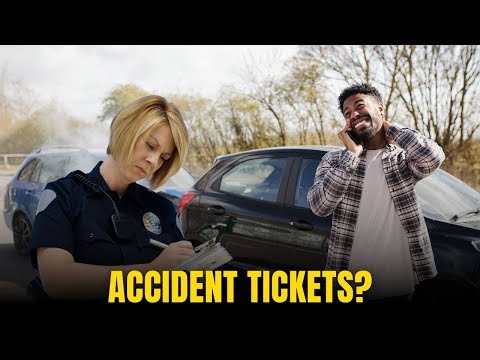
You’re driving along, music blaring, and—bam! You’ve just had a fender bender.
Not the best day, right? Now, you’re staring at a ticket. Ugh.
Car accident tickets can be super confusing. Like, what do you even do next? Should you fight it? Pay up?
Honestly, it can feel overwhelming, but it doesn’t have to be.
Let’s chat about how this whole ticket thing works in the American legal scene. You’ve got rights and options!
No need to stress; we’ll break it down together.
Understanding the Odds: Winning a Car Accident Lawsuit Explained
So, you’ve been in a car accident, and now you’re wondering what it’s like to navigate the legal waters, especially when it comes to suing someone. Let’s break this down.
First up, **you need to understand the basic odds**. Winning a car accident lawsuit isn’t just about having a solid case; it’s also about various factors that can affect your chances. The situation surrounding the accident is key—who’s at fault, damages, insurance issues, you name it!
Next, let’s talk about **fault**. In most states, they follow either “fault” or “no-fault” rules. In a fault state, if you’re not at fault for the accident, you might have a better shot at having your damages covered by the other party’s insurance. But hey, even if you’re partially responsible (let’s say 20% to blame), that can impact how much you’re awarded.
Now **let’s get into injuries and damages**. Just saying you were hurt doesn’t cut it! You’ll typically need proof of medical expenses or significant property damage. So keep those receipts! Also, emotional distress can come into play here too; it’s not just physical injuries that matter.
Oh, and don’t forget **insurance companies**! They usually play hardball when it comes to payouts. If they think they can lowball you and get away with it—guess what—they might just do that! Seriously, they’re known for trying to settle quickly for less than what you deserve.
Then we have **the timeframe** of all this. Lawsuits don’t happen overnight; they can take months or even years to settle. The longer things drag on, the more costs pile up.
Another thing worth mentioning is **legal representation**. Having an experienced lawyer by your side can increase your odds significantly because they know all the intricate details and how to navigate these waters effectively.
It’s also important to consider **jury perceptions** if your case goes all the way to trial. Juries are made up of regular folks who might empathize more with certain situations over others—like if there are kids involved or if someone was particularly reckless.
Understanding the Admissibility of Traffic Tickets in Court: Key Insights and Legal Considerations
So, let’s talk about traffic tickets and how they come into play in court. Have you ever been pulled over and thought, “Great, now I’ve got to deal with this in a courtroom?” The reality is that traffic tickets can actually have a lot of impact, especially when it comes to car accidents or disputes.
First things first: what are the rules regarding these tickets? When a police officer issues you a ticket, that’s considered evidence of your violation. But just because you got ticketed doesn’t mean it’s a slam dunk in court. Courts look at several factors before allowing that ticket as proof of wrongdoing.
Key Considerations for Admissibility:
- Relevance: The ticket must relate directly to the case at hand. If you’re fighting a car accident claim, for instance, the ticket should connect specifically to how the incident occurred.
- Proper Issuance: The officer needs to follow proper procedures while issuing the ticket. If they didn’t adhere to protocol—like not properly identifying themselves—it could affect the ticket’s weight in court.
- Evidential Weight: Just because it gets admitted doesn’t mean it holds equal value. A judge might consider other factors like witness testimonies or video footage from the scene.
- Your Plea: If you contested the ticket (like pleading “not guilty”), this may affect how it plays out in your accident case.
Now, picture this: You’re driving home from work when you accidentally roll through a stop sign and get pulled over. You’re issued a ticket for that offense. Later on, you get into an accident where someone claims you were speeding. Here’s where things get tricky—you might think that ticket will help prove negligence on your part, but that’s not guaranteed.
Your Rights Matter: Remember, just because there’s a traffic violation doesn’t automatically mean you’re at fault for an accident! You should know that an attorney can challenge whether that ticket is even valid evidence against you.
Anecdote Alert: I had a buddy once who got nailed with speeding tickets but always thought he could wiggle out of them since he rarely saw any accidents tied to his driving style. Well, one day he had this minor fender bender—but guess what? That previous speeding citation popped up during discussions about fault! It’s wild how quickly stuff like that can come back around.
Ultimately, traffic tickets aren’t just pieces of paper; they hold weight in legal settings depending on context and execution. So if you’re facing court after an accident and have gotten cited beforehand—be prepared for jabs from the other side about it!
Understanding how those tickets work in relation to your case keeps you ahead of the game. What happens next can truly influence outcomes down the line!
Effective Strategies for Challenging Traffic Tickets in Court
So, you got a traffic ticket, huh? Yeah, that can be a real pain. But don’t fret! If you’re thinking about challenging that ticket in court, there are some effective strategies you can use. Let’s break it down—easy peasy.
Gather Evidence
First things first, evidence is your best friend. You want to collect anything that supports your case. That means taking photos of the location where the ticket was issued, getting copies of traffic laws if they apply, or even getting witness statements if anyone saw what happened. Seriously—every little bit helps.
Know the Law
Now, understanding the specific law you’re accused of breaking is crucial. Each state has different regulations and codes. So check your state’s traffic laws and see exactly what you’re being charged with. Knowledge is power!
Consider Mitigating Circumstances
Sometimes stuff happens that can explain your actions—think emergency situations or if signage was unclear. If there were issues like poor visibility or malfunctioning traffic lights, bring it up in court! Judges can be more lenient if they understand your side.
Prepare Your Defense
This is where things get interesting! You’ve got to craft a solid defense strategy. This might include demonstrating that you were following the rules or even questioning the officer’s report accuracy. Maybe there’s a technicality you can exploit?
Pleas for Reduction
In some cases, instead of fully contesting the ticket, it might make sense to negotiate for a lesser offense or reduced fine through *plea bargaining*. It’s not defeat; sometimes it’s just smart.
Practice Your Courtroom Presence
Look, when you finally get into that courtroom, confidence matters! Practicing what you’re going to say before going in can really help calm those nerves and make you sound more convincing. You don’t want to just mumble through it!
Dress the Part
Oh—and please dress appropriately when heading to court! A judge appreciates respect for the courtroom environment which could influence their decision positively.
Remember how I said knowledge is key? A guy I know once challenged a speeding ticket by arguing he was speeding only because he was trying to avoid hitting an animal that suddenly ran across the road. The judge appreciated his concern and reduced his fine significantly!
In any case, stay calm and collected while presenting your arguments clearly and respectfully.
Challenging a traffic ticket isn’t just about what happened; it’s about how well you present your case too! With these strategies up your sleeve, you’ve got a better shot at walking away without those pesky points on your record—or maybe even without paying that fine at all!
So, dealing with a car accident ticket can feel like stepping into a maze, right? You’re just trying to get back on track after a crash, and then you get hit with this ticket. It can be overwhelming for sure. I mean, imagine you’re sitting there in your car, maybe still feeling the adrenaline of the accident, and then you see that slip of paper on your windshield. Your heart sinks a little. It’s like an unwanted guest crashing your recovery party.
First off, if you find yourself in this situation, it’s crucial to understand that a ticket isn’t necessarily a nail in the coffin for your case. Sometimes they’re issued automatically when an officer thinks someone broke the law during or after the accident. But here’s where it gets tricky: sometimes it can feel unfair or just wrong.
Let me tell you about my buddy Jason. He got into a fender bender in a busy intersection last year. The other driver was all over the place—like seriously distracted—and guess who ended up with the ticket? Yep, Jason! He thought he was being victimized all over again after just dealing with the crash itself.
Now fast-forward to when he had to face the legal side of things. He learned that he could contest the ticket if he believed he wasn’t at fault. There are ways to go about this; gathering evidence is crucial—things like photos from the scene or witness statements can make a world of difference.
And then there’s paying fines versus going to court—it can be tough to decide what’s best for you personally, you know? Paying might seem easier at first glance but could actually come back to bite if it leads to higher insurance costs or points on your driving record down the line.
In many states, these tickets can impact your insurance premiums and even lead to points on your license if things go south during legal proceedings. So navigating through this maze becomes about more than just that one moment; it’s looking ahead at how this affects everything else in your life.
Ultimately though, remember: you’re not alone in this process! Lots of people have been there and come out okay on the other side—just like Jason did after fighting his ticket and winning! All in all? Stay calm and know that figuring out how to deal with car accident tickets doesn’t have to feel impossible. Just take one step at a time!




