
The information provided in this article is intended solely for general informational and educational purposes related to U.S. laws and legal topics. It does not constitute legal advice, legal opinions, or professional legal services, and should not be considered a substitute for consultation with a qualified attorney or other licensed legal professional.
While efforts have been made to ensure the information is accurate and up to date, no guarantees are given—either express or implied—regarding its accuracy, completeness, timeliness, or suitability for any specific legal situation. Laws, regulations, and legal interpretations may change over time. Use of this information is at your own discretion.
It is strongly recommended to consult official sources such as the U.S. Government (USA.gov), United States Courts, or relevant state government and court websites before acting on any information contained on this website or article. Under no circumstances should professional legal advice be ignored or delayed due to content read here.
This content is of a general and informational nature only. It is not intended to replace individualized legal guidance or to establish an attorney-client relationship. The publication of this information does not imply any legal responsibility, guarantee, or obligation on the part of the author or this site.
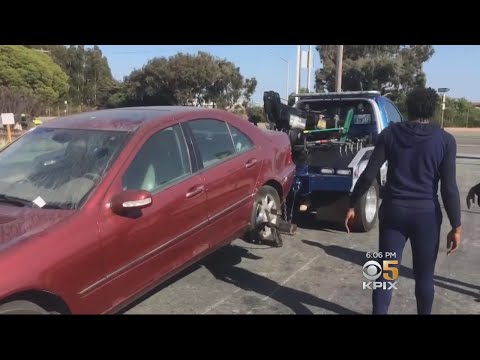
So, you ever had your car towed? It’s a real headache, right? You’re just minding your own business, maybe grabbing a coffee or running into a store, and bam! Your ride is gone.
That’s where city pounds come in. They’re like a lost-and-found for cars. But they’re also part of something bigger—our legal system.
You see, when your car gets towed, it isn’t just about getting it back. There’s a whole process behind it. Rules, fees, and sometimes even court dates!
It can all feel super confusing. But don’t worry! We’ll break down what city pounds do and how they fit into the whole legal puzzle in the U.S. So stick around—you might learn a thing or two!
Understanding Common Reasons for Vehicle Impounding: Key Insights and Legal Considerations
So, when it comes to vehicle impounding, there are a few common reasons your car might end up in the city pound. It’s like that moment you hear the dreaded “ping” of a ticket on your windshield, and you just know you’re in for some trouble. Here’s what you need to know about why cars get impounded and what it means for you.
First off, one of the most typical reasons for impounding is illegal parking. If you park where you’re not supposed to—like in a disabled spot without a permit, or in front of a fire hydrant—guess what? That shiny ride of yours could be towed away. Cities have strict laws about parking spots, and violating these can lead to your car being snagged by the tow truck.
Then there’s abandoned vehicles. If your car looks like it’s been through a zombie apocalypse—think flat tires and covered in dust—it may be considered abandoned. Local authorities usually give a warning before they haul it off, but if no one claims it, bye-bye car!
Also, if you’re caught driving with an expired registration or no insurance, that can lead to impounding as well. It’s like driving without a safety net! Cops catch wind of this during routine stops or checkpoints and can decide to take your vehicle. Insuring your ride isn’t just smart—it helps keep it safe from getting taken by the city.
But maybe you’re thinking about something more serious: driving under the influence (DUI). If you’re pulled over for suspected DUI and things don’t go well for you (you fail sobriety tests), that’s another quick route to getting your car impounded. The law takes this very seriously since driving drunk puts everyone at risk.
Oh! And let’s not forget about checkpoints. Sometimes police set up random checkpoints to check for things like license and registration compliance. If they find something amiss with your ride or paperwork, they won’t hesitate to tow it away.
Now, when your car does get impounded, you’ve got options—but it’s not free! You’ll likely have to pay some fees both for towing and daily storage while it’s sitting pretty at the pound. Each day adds up! So if you’ve got some loving feelings towards your vehicle (and who doesn’t?), acting quickly is key.
Don’t overlook how important it is that you know how local laws work; each city can have different rules surrounding towing and impounding. There might even be specific legal rights in play that can help you contest an improper tow.
So remember: staying aware of parking regulations, maintaining current registrations and insurance policies, plus steering clear of any trouble on the road can keep your wheels right where they belong – with you!
Understanding the Legality of Impoundment: Rights, Regulations, and Procedures
When it comes to impoundment, you might be wondering what that really means. Well, it’s all about your vehicle getting towed and held at a designated place—often by city officials. The legality of impoundment can vary from state to state and even city to city. If you’ve ever had your car towed, you probably know it can feel like a punch in the gut, right? You park somewhere for just a minute, and poof! Your ride is gone. So let’s break down what’s going on with this whole process.
First off, why does a car get impounded? There are several reasons. Here are a few:
- Illegal parking: This could be anything from parking in a no-parking zone to blocking a driveway.
- Expired registration: If your tags are old or your registration isn’t up-to-date, you could find your car being hauled away.
- DUI arrests: Sometimes if you’re arrested for driving under the influence, they’ll tow your vehicle as part of the process.
So, let’s talk about **your rights** when it comes to this situation. If your car gets impounded, the law generally requires that authorities notify you within a certain time frame—usually 48 hours. They need to tell you what happened and how you can get your vehicle back. Kind of feels like justice served, huh?
Now let’s get into some **regulations** that often guide these actions:
- State statutes: Each state has its own rules regarding towing and impounding vehicles. Some states have strict guidelines that ensure proper notification and timelines.
- Local ordinances: Cities might have specific regulations that determine how towing companies operate within their boundaries—like pricing and acceptable practices.
And here’s where it can get tricky: understanding the **procedures** involved in getting your car back after it’s been impounded. Generally speaking:
1. **Identification:** You’ll need some form of ID proving that you’re the owner or authorized driver.
2. **Proof of Ownership:** This usually means having your title or registration handy.
3. **Fees:** Be prepared to shell out some cash for towing fees and possibly storage fees if it was kept for more than just a day.
Imagine being in a situation where you just learned your car was taken while you were out enjoying life on a Saturday afternoon! You’d want steps laid out clearly so you could get back on track quickly.
Another important detail: if someone believes their vehicle was wrongfully impounded, there may be grounds for an appeal under certain circumstances. This usually involves filing paperwork with the appropriate local government office or possibly heading to court if things don’t resolve easily.
So there you go! Impoundment isn’t just about taking cars; it’s also wrapped up in laws meant to protect both owners and municipalities alike. Just remember: knowing your rights can really make all the difference when dealing with these sticky situations!
Understanding the Role of City Pounds for Cars in U.S. Legal Systems: Implications and Regulations
When we talk about city pounds for cars, we’re diving into a corner of the legal system that’s not always front and center, but it definitely matters. City pounds are basically impound lots where vehicles get towed and stored when they’re considered abandoned, illegally parked, or in some cases, involved in a crime. So let’s break that down a bit because it’s pretty interesting!
First off, why do cities have these pounds? Well, one major reason is to keep streets clear and safe. Think about it: if you’ve got a car blocking traffic or parked illegally, it can create chaos on the roads. That’s where the city comes in. They send out tow trucks to remove those vehicles and take them to a pound.
Now, once your car is at the pound, what happens next? Here’s the deal: you usually have to pay fines or fees to get your car back. The costs can add up quickly, especially if your car’s been sitting there for more than just a day or two. Basically, the longer you wait, the more expensive it gets!
Another thing to keep in mind is how different cities regulate their pounds. Some cities might have stricter policies than others regarding how they tow cars and under what circumstances. For example:
- Notification: In many places, cities are required to notify vehicle owners that their cars have been impounded.
- Time Limits: There’s often a time frame in which you must claim your vehicle before it becomes property of the city and potentially sold off.
- Appeal Process: If you think your car was wrongly impounded, some municipalities offer an appeal process where you can challenge that decision.
Imagine this: you park your car on what you think is an empty street for just a few minutes while running into a store. You come back out only to find it’s been towed! You might feel frustrated or even panicked—like “What do I do now?” It can be overwhelming navigating through different regulations and fees.
Also worth noting is that city pounds play a role when vehicles are tied up in investigations. If police believe there’s evidence related to criminal activity in a car—say drug-related items—they might impound that vehicle until everything gets sorted out.
Understanding all this helps because keeping track of local regulations can save folks from unexpected headaches later on. Plus, knowing your rights regarding impoundment gives you an edge if issues arise.
In summary, city pounds serve crucial functions within U.S legal systems:
- Solve Traffic Problems: They clear up hazardous parking situations.
- Enforce Laws: By towing violators or abandoned vehicles.
- Avenue for Recovery: They give drivers opportunities—and obligations—to retrieve their cars after they’ve been taken.
So next time you’re driving around town and see those “No Parking” signs? Remember there’s more going on behind the scenes than meets the eye! Getting familiar with how city pounds operate just may help ensure that your ride stays safely parked where it should be!
Alright, let’s talk about something that’s a bit of a bummer but totally relevant—city pounds for cars. You know, those places where towed vehicles end up when things don’t go quite as planned. So, picture this: you’re out running errands, and maybe you forgot about that no-parking sign. Before you know it, your car is gone! It feels like you just stepped into an episode of a legal drama.
City pounds serve a pretty important role in how we manage public space and enforce laws. For one, they help keep our streets clear and safe. When cars are parked illegally or abandoned, it can create chaos on the roads. The city has a responsibility to maintain order and ensure everyone can get around without too much hassle. I mean, no one wants their morning commute slowed down by someone who thought they could park wherever.
But here’s where it gets tricky. The process of getting your car out of the pound can be stressful—like seriously! You typically have to pay fines that can add up quickly. Sometimes people need to jump through hoops to prove ownership or identify themselves before they can claim their ride back. It’s kind of a reality check on how important it is to follow parking laws and keep track of your car’s whereabouts.
I’ve heard stories from friends getting their cars towed; one dude I know was at a grocery store for just twenty minutes and ended up having to pay over two hundred bucks! That kind of stuff hits hard, especially when budgets are tight.
So, city pounds not only function as storage for these lost vehicles but also play into wider conversations about local governance and public compliance with the law. There’s this balance between keeping things orderly and also making sure citizens understand their rights and responsibilities when it comes to their vehicles.
And let me tell ya—dealing with tow companies isn’t always friendly business either! Some people feel like they’re being taken advantage of during an already frustrating situation. It’s almost like they need a personal lawyer in situations like these just to navigate the whole system.
In the end, while city pounds help promote order in our communities, there’s definitely room for improvement in how laws are enforced and how drivers are treated when things go sideways. It’s an ongoing challenge within the U.S. legal system—whether it’s ensuring fairness or simply keeping all those wheels turning smoothly on our streets!




