
The information provided in this article is intended solely for general informational and educational purposes related to U.S. laws and legal topics. It does not constitute legal advice, legal opinions, or professional legal services, and should not be considered a substitute for consultation with a qualified attorney or other licensed legal professional.
While efforts have been made to ensure the information is accurate and up to date, no guarantees are given—either express or implied—regarding its accuracy, completeness, timeliness, or suitability for any specific legal situation. Laws, regulations, and legal interpretations may change over time. Use of this information is at your own discretion.
It is strongly recommended to consult official sources such as the U.S. Government (USA.gov), United States Courts, or relevant state government and court websites before acting on any information contained on this website or article. Under no circumstances should professional legal advice be ignored or delayed due to content read here.
This content is of a general and informational nature only. It is not intended to replace individualized legal guidance or to establish an attorney-client relationship. The publication of this information does not imply any legal responsibility, guarantee, or obligation on the part of the author or this site.
Hey, you’ve ever wondered what happens when a court decision doesn’t sit right with someone? Yeah, like, what do you do next?
Well, that’s where civil appeals come in. It’s this whole process where you can challenge a court’s ruling. Sounds intense, right?
Honestly, it can be a bit overwhelming. You’ve got all these rules and deadlines to think about. But don’t sweat it!
I’m here to break it down for you. We’re talking the ins and outs of civil appeals—what to expect and how to navigate this maze without losing your mind. You ready? Let’s jump in!
Understanding the Grounds for an Appeal: Key Legal Considerations
Understanding the Grounds for an Appeal
So, you’ve been through a trial, and maybe things didn’t go your way. It’s frustrating, right? But guess what? You might have the option to appeal. Appeals aren’t just random do-overs; they’re serious legal processes that let you challenge a court’s decision. Let’s break it down so it makes sense.
First off, what is an appeal? Well, it’s basically where you ask a higher court to review the decision made by a lower court. You’re not looking for a new trial with new evidence; you’re saying there was some kind of legal mistake in how the first trial went down.
Now, let’s get into the key grounds for an appeal:
- Legal Errors: This is probably the biggest one. If the judge made a mistake—like misinterpreting the law or letting in evidence that shouldn’t have been allowed—you could appeal on that basis. For example, imagine if crucial testimony was excluded at your trial; that could affect your case dramatically.
- Insufficient Evidence: If you can show that no reasonable jury could have come to the conclusion that they did based on the evidence presented, then bingo! You might have grounds to appeal. It’s all about whether things were proven beyond a reasonable doubt in criminal cases or by a preponderance of evidence in civil cases.
- Misconduct: This isn’t about having bad manners in court! Misconduct can refer to things like juror tampering or inappropriate comments from attorneys during closing arguments that might sway the jury unfairly.
- Procedural Issues: Sometimes courts don’t follow their own rules. Maybe deadlines weren’t met or documents weren’t handled properly. These procedural hiccups might give you grounds to challenge what happened.
- Ineffective Assistance of Counsel: If your lawyer dropped the ball—like not presenting critical evidence or failing to object when they should’ve—you might have something worth appealing for too.
Hey, here’s where it gets interesting: just because there are grounds doesn’t mean you’ll win your appeal. The higher court reviews everything based on what’s already on record; they usually won’t hear new evidence or re-do facts presented at trial.
And let’s not forget about deadlines! There are strict timelines for filing an appeal after a judgment is entered, so you’ll want to pay attention to those dates like they’re an important appointment.
Think of appeals as this opportunity for checks and balances within our legal system. They ensure mistakes can be corrected and justice can be served more accurately.
If you’re considering going down this path, chat with someone who knows their stuff—like an attorney who specializes in appeals because navigating this process can be tricky!
Remember, just because you’ve hit a bump doesn’t mean it’s over. There may still be roads ahead worth exploring!
Essential Strategies for Successfully Winning Your Court Appeal
So, you’re thinking about making an appeal in a civil case? Well, that can be a bit of a wild ride, to say the least. Appeals aren’t just about getting another shot at your case; they’re like calling for a do-over when things didn’t go as planned the first time around. Let’s break down some essential strategies you’ll want to keep in mind.
Understand the Basics of Appeals: First up, you should know that an appeal isn’t about retrying your whole case or presenting new evidence. It’s really about reviewing what happened during the original trial. You’re looking to show that there were mistakes made—big ones—that affected the outcome.
Know Your Grounds for Appeal: You can’t just appeal because you didn’t like the verdict. There are specific reasons you can base your appeal on. These could include errors in how the law was applied by the judge, issues with how evidence was handled, or even if juror misconduct happened.
Filing Your Notice of Appeal: Timing is crucial here! After your trial ends, usually you’ve got 30 days to file a notice of appeal in civil cases; it’s important not to miss this deadline! If you do, it can totally derail your chances before they even start.
Research and Build Your Argument: This is where it gets serious. You need to prepare a detailed brief outlining what went wrong in your original case and why it matters. This isn’t just any writing project; it’s more like writing an essay where every point counts!
Focus on Key Issues: When you’re drafting your brief and preparing for oral arguments, stick with a handful of strong points rather than overwhelming everyone with everything wrong with the trial—less is often more! Highlighting only 2 or 3 crucial issues makes it easier for judges to focus on what truly mattered.
Practice Makes Perfect: If you’re going to present oral arguments—well, practicing is key! Get yourself into a room and rehearse what you’re going to say until it feels natural. The judges will appreciate clarity and confidence.
Stay Professional in Court: When you’re in front of the judges, keep it together! Respect goes both ways; maintain professionalism no matter how heated things might get. Also remember that they’ve heard countless cases before yours, so don’t be overly emotional; stick to facts and logic.
Be Patient!: The appeals process can take time—sometimes months or even years! So while you’re waiting for decisions or responses from higher courts, don’t let frustration get the best of you.
Appeals aren’t easy breezy but knowing these strategies can really help guide your way through this complicated system. Remember: clarity matters and sticking closely to legal principles gives your case its best chance at success. Good luck out there!
Understanding the Appeal Process: A Comprehensive Guide to Legal Appeals
When you think of the legal system, you might picture courtroom dramas or intense jury deliberations. But what happens if a decision doesn’t sit right with you? That’s where appeals come into play. So, let’s break down the appeal process and help you understand how it works.
What is an Appeal?
An appeal is basically asking a higher court to review a decision made by a lower court. It’s like saying, “Hey, I don’t think this was fair; can someone else take another look?” You’re not trying to rehash the entire case; instead, you’re focusing on specific legal issues or errors that might have influenced the outcome.
When Can You Appeal?
You can usually appeal after a final judgment in your case. This means that all the major decisions have been made. If you lose in a civil case—let’s say it’s about a contract dispute—you can file an appeal based on reasons like improper evidence being admitted or legal mistakes by the judge.
The Steps in the Appeal Process
The appeal process can seem long and complex, but let’s simplify it:
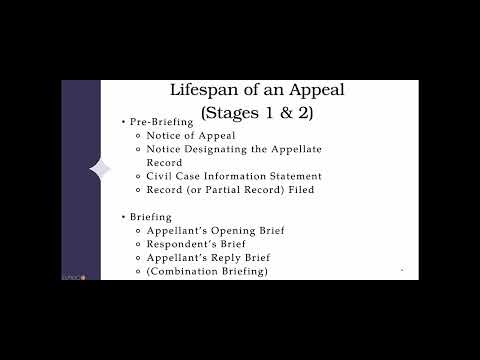
- Notice of Appeal: This is your first step. You file this document to let everyone know that you’re appealing.
- Record on Appeal: This includes all the documents, evidence, and transcripts from the trial that are relevant to your case.
- Briefs: You’ll submit written arguments called briefs. Your brief explains why the lower court’s decision was wrong while the other party will submit their own brief defending it.
- Oral Argument: Sometimes you’ll get to present your case in front of judges. It’s kind of like a mini-trial but focused just on legal arguments.
- The Decision: After reviewing everything, the appellate court will make its choice. They could affirm (agree with) the lower court’s decision or reverse (change) it.
The Time Limits
Time is critical here! Generally, there are strict deadlines for filing an appeal—often 30 days from when you got the decision. So procrastinating isn’t really an option if you’re considering this route.
The Role of Appellate Courts
Now, not all appeals go to “big” courts like state supreme courts or federal appellate courts right away—you may start at an intermediate level first. These courts mainly focus on whether proper procedures were followed rather than re-evaluating evidence.
[b]Difference Between Civil and Criminal Appeals[/b]
Civil appeals usually involve disputes between individuals or entities about things like contracts or property issues. Criminal appeals focus on convictions where someone argues they shouldn’t have been found guilty due to errors in their trial.
You might wonder, what happens if I win my appeal? Well! If successful, it could lead to things like new trials or even dismissals of cases altogether.
In short, navigating through an appeal can feel like running through a maze sometimes. But knowing these basics helps simplify things! Give yourself time to understand each step because every detail counts in making your case more solid as you go along this path.
Navigating civil appeals in the American legal system can feel like you’re trying to find your way through a maze, you know? It’s not just about what happened in court but also understanding the rules and procedures that follow. So, let’s break it down a bit.
Imagine you just sat through a long trial. You watched as the jury deliberated over days, maybe even weeks. And then – bam! The verdict comes down, and you’re left feeling completely blindsided. You think the judge made a mistake or maybe some evidence didn’t get considered properly. It’s frustrating—believe me, I’ve seen people go through this.
So, what’s your next step? That’s where civil appeals come into play. You basically ask a higher court to take another look at the case. But here’s the catch: it’s not about rehashing everything that happened in front of a jury. The appeal focuses on whether there were legal errors made during the original trial that were serious enough to change the outcome.
You’ve got deadlines to meet too—usually pretty tight ones. Once you decide to appeal, you’ve gotta file your notice within a certain timeframe; otherwise, you might lose your chance altogether! And then there’s all that paperwork. Seriously, it can feel like you’re drowning in legal jargon and forms.
But here’s where it gets interesting: an appeal is mostly about written arguments known as briefs instead of going back into a courtroom with witnesses and everything like before. This is where attorneys play their cards right by showcasing their arguments and pointing out those alleged errors made during your initial trial.
Now, thinking about my buddy Jake who found himself in this very situation makes it all feel more real. He was heartbroken after losing his case over what he felt was an unjust ruling involving his small business dispute with a larger corporation—David versus Goliath type of thing. Jake was determined to fight back even when everyone told him it was too difficult and costly to appeal; he pushed through all that confusion and paperwork because he believed he deserved another chance.
But navigating this maze isn’t easy for anyone! You might hit hurdles along the way, from figuring out which court has jurisdiction to understanding those pesky rules governing how briefs are formatted—that’s crucial stuff! And honestly? It can take months for an appellate court to come back with its decision after going through everything.
In short, if you’re ever faced with appealing a civil case’s outcome, brace yourself for quite a ride! But remember: while it’s complicated and sometimes brutal—it also gives folks like Jake hope for justice when things don’t go their way on the first try.




