
The information provided in this article is intended solely for general informational and educational purposes related to U.S. laws and legal topics. It does not constitute legal advice, legal opinions, or professional legal services, and should not be considered a substitute for consultation with a qualified attorney or other licensed legal professional.
While efforts have been made to ensure the information is accurate and up to date, no guarantees are given—either express or implied—regarding its accuracy, completeness, timeliness, or suitability for any specific legal situation. Laws, regulations, and legal interpretations may change over time. Use of this information is at your own discretion.
It is strongly recommended to consult official sources such as the U.S. Government (USA.gov), United States Courts, or relevant state government and court websites before acting on any information contained on this website or article. Under no circumstances should professional legal advice be ignored or delayed due to content read here.
This content is of a general and informational nature only. It is not intended to replace individualized legal guidance or to establish an attorney-client relationship. The publication of this information does not imply any legal responsibility, guarantee, or obligation on the part of the author or this site.
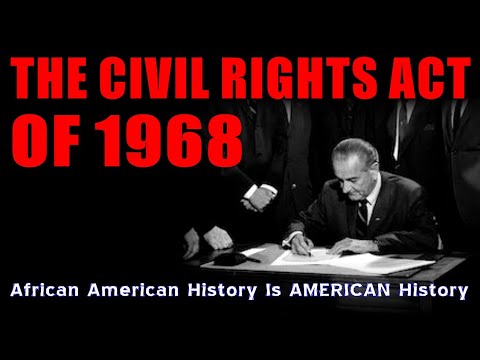
Alright, so let’s chat about something pretty huge: the Civil Rights Act of 1968.
You might have heard of it, right? It’s a big deal in U.S. history, and honestly, it changed a lot of things.
Imagine living in a world where discrimination was just accepted. Crazy, huh? That’s where we were before this law came along.
This act wasn’t just some piece of paper; it really shaped how rights are viewed today. It made waves in the legal system and beyond.
So, buckle up! We’re gonna explore how this pivotal moment still influences court decisions and people’s lives even now.
Exploring the Impact of the Civil Rights Act of 1968: Key Changes and Lasting Legacies
The Civil Rights Act of 1968, also known as the Fair Housing Act, is one of those landmark pieces of legislation that really shaped the landscape of civil rights in America. It came at a time when the nation was still grappling with segregation and discrimination. You know, the kind that was so deeply ingrained in society? Yeah, that kind.
So, what did this act change? Well, it aimed to eliminate discrimination in housing based on race, color, religion, sex, or national origin. Seriously, before this law, it was pretty easy for landlords and sellers to turn people away just because of their background. Picture a young couple searching for a home but being told “no” just because they weren’t white. Ridiculous, right?
One of the key changes was making it illegal to refuse housing to someone based on those characteristics. Now, you can’t just say no to a tenant because you don’t like their race or religion—it’s against the law! And if somebody does discriminate? Well, they can face significant penalties.
Also worth mentioning are the provisions that allowed individuals to sue in federal court. This changed everything! Like before this act, if someone faced discrimination in housing, they often felt powerless. But after 1968? They had legal recourse! They could fight back against discriminatory practices. Now, that’s empowerment.
Another big part is how it affected U.S. jurisprudence and subsequent laws. It’s like this ripple effect—you throw a stone into water and watch how far the ripples go out. The Fair Housing Act inspired later legislation like the Americans with Disabilities Act and even Title IX in education settings. These laws further reinforced the idea that everyone deserves equal rights and opportunities.
In terms of lasting legacies? Oh man! This act has had profound impacts on neighborhoods and communities across America. More diversity in neighborhoods means richer cultural experiences for everyone involved! But let’s be real; it hasn’t been all smooth sailing since then.
Discrimination isn’t completely wiped out—far from it! There are still systemic issues today that make us question whether we’ve gone far enough to address these injustices. A lot of folks are still fighting for fair housing rights even now! You can see debates over things like gentrification or zoning laws popping up everywhere.
To sum up: the Civil Rights Act of 1968 did some heavy lifting in promoting equality in housing and shifted perspectives about what rights individuals should have when it comes to where they live.
It’s essential to keep pushing forward because we’ve come a long way but there’s still more work ahead!
The Lasting Impact of the Civil Rights Act on American Society and Law
Oh, the Civil Rights Act. It’s a big deal in American history, you know? When we talk about the Civil Rights Act of 1968, we’re diving into a law that really changed the landscape of society and law in the United States. So, what’s all the fuss about?
First off, the act aimed to end discrimination, not just in public areas but also in housing. Imagine living in a neighborhood where you weren’t allowed to rent or buy because of your skin color—that was reality for many before this law passed. This legislation was like a breath of fresh air, trying to level the playing field.
It’s important to note that this act came out of a long history of struggle. People marched, protested, and even risked their lives for equality. Martin Luther King Jr., for example, spoke passionately about these issues. His work—and so many others’—helped push the government to take action.
Now, let’s break down some key impacts:
- Legal Framework: The Act provided legal tools for individuals facing discrimination. You could finally file lawsuits against people or entities who discriminated against you.
- Housing Equality: The Fair Housing Act was part of it and made it illegal to refuse someone housing based on race or color. This meant something tangible for millions.
- Consumer Rights: Businesses had to treat everyone equally when selling goods and services—no more “whites only” signs in stores.
- Cultural Shift: It helped change societal attitudes over time by promoting awareness about racial equality.
And here’s where it gets real: think about neighborhoods today. Sure, we still have ways to go regarding racial equality and housing access, but this law laid down some groundwork that’s still felt today.
However, it wasn’t all smooth sailing after 1968. There were challenges—the backlash from certain groups who didn’t want things to change created tension that persists even now. And even though laws were put in place, enforcement has often been spotty at best.
So how did all this influence U.S. jurisprudence? Well, courts started interpreting laws through this new lens of civil rights. They began recognizing that discrimination wasn’t just personal—it was systemic too.
In some cases, judges cited the Civil Rights Act when making decisions that affected future generations’ understanding of equality and fairness under the law. This act became a cornerstone upon which many other policies would be built.
Looking back on it all feels heavy sometimes when you realize how much went into making progress happen—it wasn’t just a single moment but rather countless efforts from brave individuals standing up for what’s right.
Anyway, while we celebrate the strides made since 1968 thanks to this landmark legislation, remember it’s also essential to keep pushing forward—even now! That means being aware of its lasting impact while striving toward full equality for everyone out there—because that’s what it really boils down to; every single person’s right to live freely without discrimination.
The Impact of 1968 on the Civil Rights Movement: Key Events and Lasting Changes
The year 1968 was pivotal for the Civil Rights Movement. You had a lot of intense events and developments that shaped not just the movement but also the entire fabric of American society. It was a time of tension, change, and hope, you know? And one of the biggest pieces of legislation that came out of this era was the Civil Rights Act of 1968, also known as the Fair Housing Act.
This act was crucial because it tackled issues surrounding housing discrimination. Before this law, people could be denied renting or buying a home simply because of their race. Can you imagine? Thankfully, this act aimed to put an end to that nonsense.
Now, let’s get into some key events from 1968 that fueled this movement. For starters:
- The assassination of Dr. Martin Luther King Jr.
- The Poor People’s Campaign
- The Chicago Democratic National Convention
- The Tet Offensive in Vietnam, which changed public perception about the war
The assassination of Dr. King on April 4th sent shockwaves across the nation. People were devastated! His death sparked riots in over 100 cities and intensified calls for social justice. This made legislators realize things needed to change—and fast.
Then there was the Poor People’s Campaign. Started by King before his death, it aimed to address economic injustices faced by poor Americans across races. This initiative showed that civil rights weren’t just about race; they were about economic opportunities too.
You probably remember hearing about the chaos at the Chicago Democratic National Convention. Protesters clashed with police over how leaders addressed social issues like Vietnam and civil rights. It highlighted deep divisions and set a stage for many voices to be heard—screaming for justice!
This all culminated in pushing lawmakers toward enacting vital changes like those seen in the Civil Rights Act of 1968, which had far-reaching impacts on U.S. jurisprudence.
One significant change involved how courts interpreted housing discrimination cases after this act became law. Now, victims could more easily challenge discriminatory practices legally—making it more difficult for landlords and real estate companies to play dirty with folks based on race or family status.
Moreover, courts began recognizing forms of disparate impact. Basically, it meant that even if an action wasn’t overtly discriminatory, if it disproportionately harmed people based on race or ethnicity, then it might still be illegal. This broadened what discrimination looked like in practice!
So fast forward a bit. The ripples from these events and laws have continued influencing U.S. law even today. You see ongoing debates about housing policies and equality efforts arising from those fierce days back in ’68.
The legacy? It’s huge! 1968 wasn’t just another year; it became a turning point that shaped future generations’ fight for equality and justice across America.
The Civil Rights Act of 1968, often overshadowed by its precursor, the Civil Rights Act of 1964, is a pretty pivotal piece of legislation in the U.S. legal landscape. It addressed discrimination not just in public accommodations but also tackled housing issues—like, you know, the kind of discrimination that kept so many people from renting or buying homes based on their race.
It’s really wild to think about how just a few decades ago, people could be turned away simply because of the color of their skin. Imagine having your dreams crushed just because some landlord didn’t like your last name or your skin tone! That’s some heavy stuff. The 1968 Act sought to change that and made it illegal to discriminate in housing sales or rentals based on race, color, religion, sex, or national origin.
This law didn’t just stop at housing; it had broader implications for U.S. jurisprudence. The Act added muscle to civil rights cases and gave individuals more power to challenge discriminatory practices in court. Before this law came along, proving discrimination was often an uphill battle—you’d need solid evidence and witnesses who were willing to stand up for what was right—tough as nails! But with the new protections in place, victims found it easier to fight back.
One emotional story that springs to mind is about families who moved into neighborhoods where they felt welcomed at last—places where they could let their kids play outside without fear or worry about being judged by neighbors who held outdated biases. These small victories didn’t just change individual lives; they helped shift societal norms for generations.
On a legal level, the Act influenced everything from how courts interpret discrimination claims to shaping a whole field of civil rights advocacy that we still see today. It also paved the way for future legislation aimed at protecting marginalized groups from different forms of discrimination.
So when you look at the influence of the Civil Rights Act of 1968 on U.S. jurisprudence, it’s hard not to appreciate its lasting impact. It wasn’t just legislation; it was a call for justice—a reminder that everyone deserves a fair shot at life and happiness without walls built on prejudice blocking their way. And hey, that’s something we should always strive for!




