
The information provided in this article is intended solely for general informational and educational purposes related to U.S. laws and legal topics. It does not constitute legal advice, legal opinions, or professional legal services, and should not be considered a substitute for consultation with a qualified attorney or other licensed legal professional.
While efforts have been made to ensure the information is accurate and up to date, no guarantees are given—either express or implied—regarding its accuracy, completeness, timeliness, or suitability for any specific legal situation. Laws, regulations, and legal interpretations may change over time. Use of this information is at your own discretion.
It is strongly recommended to consult official sources such as the U.S. Government (USA.gov), United States Courts, or relevant state government and court websites before acting on any information contained on this website or article. Under no circumstances should professional legal advice be ignored or delayed due to content read here.
This content is of a general and informational nature only. It is not intended to replace individualized legal guidance or to establish an attorney-client relationship. The publication of this information does not imply any legal responsibility, guarantee, or obligation on the part of the author or this site.
You know, when you think about it, defamation sounds sort of like a fancy legal term, right? But it’s something that hits closer to home than you might expect. Ever heard someone say something nasty about you that wasn’t true? It stings, doesn’t it? That’s the heart of defamation.
Now, let’s talk about jury trials. They can feel like a rollercoaster ride in the legal world. You’ve got your arguments flying back and forth and real people deciding who’s in the right and who’s not. Crazy, huh?
So what are the actual legal standards behind these cases? Well, buckle up! It’s all about truth, reputation, and a little bit of “did they really mean that?” It’s wild how something so simple—words—can lead to big courtroom dramas over who said what.
Stick around as we jump into this topic. It’s gonna be interesting!
Understanding Jury Trials in Defamation Cases: Legal Insights and Implications
So, you wanna understand jury trials in defamation cases? Cool, let’s break it down. Defamation is when someone makes a false statement that damages another person’s reputation. It’s like throwing mud – once it’s out there, it sticks!
In the U.S., defamation laws can be kinda tricky because they need to balance free speech with protecting people’s reputations. When you take one of these cases to court, things can get pretty detailed. That’s where jury trials come in.
What’s the deal with jury trials in defamation cases? Well, when a defamation case is brought to court, the plaintiff (the one who claims their reputation was damaged) typically has to prove a few things:
- The statement was false: If it’s true, defamation doesn’t apply.
- The statement was about them: If they’re not the subject of the comment, it doesn’t count.
- The statement caused harm: This usually means proving that their reputation suffered or they lost money.
If the plaintiff is a public figure—like a celebrity or politician—the bar gets even higher. They must show that the person making the statement acted with “actual malice.” That’s legal jargon meaning they knew it was false or acted with reckless disregard for the truth. It’s a tough nut to crack!
Now, let’s chat about why jury trials can be important here. Juries are made up of everyday people and can bring their own perspectives into play. Sometimes having regular folks weigh in on whether something constitutes defamation helps ensure that justice feels fair and community-driven.
You might be wondering how emotions play into this whole mess too. Picture this: imagine someone spreads rumors at work that you’re stealing from your employer. That could seriously harm your career and livelihood. A jury might hear your story and feel empathetic, which could sway their decision when considering damages.
Dive into damages for a sec. In these cases, juries can decide how much compensation is appropriate if they find for the plaintiff. This may range from actual damages—like lost wages—to punitive damages meant to punish particularly bad behavior by the defendant.
So, what’s at stake? Well, these cases highlight some serious implications regarding freedom of speech versus protecting reputations. There’s always that fine line; you want to express yourself but not trample over someone else’s good name.
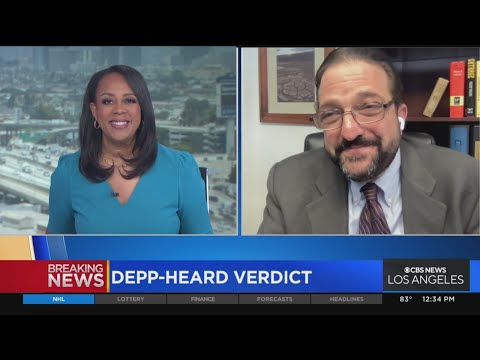
A good example of this whole process went down in 2017 when a famous actor sued a tabloid for claiming he had an affair—something he vigorously denied! The jury had to decide if those claims were damaging enough and if they met those tough standards of proof mentioned earlier.
The takeaway here? Jury trials add an important layer of humanity to legal disputes over defamation by letting ordinary people help navigate these complex issues. They balance freeing speech with safeguarding individuals’ reputations—with all the emotions and nuances in between!
Navigating Defamation Cases in the U.S.: Understanding the Challenges and Success Rates
Sure! Let’s break down defamation cases in the U.S. and how they roll out in the courtroom.
What is Defamation?
Defamation basically refers to making false statements about someone that harm their reputation. There are two main types: libel, which is written, and slander, which is spoken. You might hear people talk about this when celebrities or public figures sue over negative news articles or bad gossip.
The Legal Standards
To win a defamation case, you usually have to prove a few things:
- The statement was false. If it’s true, there’s no case.
- It harmed your reputation. Like, did it hurt your job prospects or personal relationships?
- The statement was made with fault. This means showing negligence or actual malice, especially if you’re a public figure.
Now, actual malice? That’s when someone knowingly makes a false statement or acts with reckless disregard for the truth. It’s a pretty high bar for public figures to clear!
The Role of Jury Trials
Jury trials can be pretty crucial in defamation cases. They get to hear all the evidence and decide if what was said crosses the line into defamation territory. Sometimes, juries are more sympathetic towards plaintiffs (the ones bringing the case) because they relate to personal stories.
For instance, imagine a local business owner who lost customers because of false claims on social media. A jury might feel for them and see how damaging those words can be.
The Challenges
Winning a defamation case isn’t easy, though. Getting solid proof that a statement is false can be tough! Also, jurors often have their own biases—think of how they might view free speech versus protecting someone’s reputation.
Additionally, there’s always the risk of countersuits for other issues like emotional distress or malicious prosecution if things go sideways. That adds more weight on your shoulders!
Success Rates
When you look at success rates in these cases, they vary widely based on lots of factors—like the jurisdiction and specifics of each case. Many experts say that fewer than half of defamation plaintiffs win at trial.
Also noteworthy is that settlements often happen before ever reaching court because both sides know how costly and unpredictable jury trials can be.
So yeah, navigating through a defamation case in the U.S. involves complexities related to legal standards, jury perceptions, and those ever-present challenges that you just don’t see coming sometimes!
Key Elements for Success in a Defamation Lawsuit in the US: A Comprehensive Guide
Defamation lawsuits can be tricky, but understanding the key elements can really help if you find yourself in one. So, let’s break down what you need to know.
Defamation Defined
At its core, defamation is when someone makes a false statement that harms another person’s reputation. This can be in the form of spoken words (slander) or written statements (libel). You know, think of it like someone spreading gossip that damages your good name—so not cool!
Key Elements of a Defamation Claim
To win a defamation lawsuit, you typically have to prove several things. Here’s the rundown:
- The Statement was False: This might sound obvious, but it’s crucial. The statement in question has to be untrue. If it’s true—even if it’s hurtful—then it doesn’t count as defamation.
- It was Published: You have to show that someone other than you and the person who made the statement saw or heard it. That could mean social media posts or conversations with others—basically, anything that got out into the world.
- It Caused Harm: You need to demonstrate that your reputation actually took a hit because of what was said. This could mean losing business opportunities or suffering emotional distress.
- The Speaker was at Fault: Depending on who you are, this element changes a bit. Public figures have higher hurdles; they must show “actual malice,” meaning the speaker knew their claim was false or acted recklessly about its truthfulness.
The Role of Intent
Let’s dig into that idea of fault a little more, okay? If you’re a private individual bringing a suit against someone, it’s often enough to show simple negligence—that the speaker didn’t do their homework before making bold claims about you. But if you’re a public figure? Well, you’re in for more challenges since you need to prove they acted with actual malice.
Evidentiary Support
Ok, so having proof is essential! You’ll want documents, emails, social media screenshots—you name it—to back up your claims. These pieces of evidence can make or break your case.
The Importance of Context
The context where the statement was made really matters too! Statements made in certain settings (think: courtrooms or legislative sessions) might enjoy some protections under what’s called “privilege.” So even if something looks defamatory at first glance, those contexts can provide defenses.
Tactics Used by Defendants
Now let’s touch on how defendants typically fight back in these cases because they often roll out some common defenses:
- Truth: They’ll argue that what they said was actually true.
- Email Privilege: If it was said in an official capacity (like during an official meeting), they might argue that they’re protected from liability.
- Opinion vs. Fact: Sometimes people say things like “I think” this person isn’t qualified; such statements may fall under opinion and therefore aren’t actionable.
Your Legal Team Matters
Having experienced legal representation can make all the difference here! A solid attorney will help navigate through these complex waters and bolster your chances for success.
So there ya go! When considering filing a defamation lawsuit in the U.S., remember these key elements and prepare yourself for what could be quite an intense journey through our legal system!
You know, when we think about jury trials, we often imagine those dramatic courtroom scenes from movies—everyone’s on the edge of their seats, waiting for the verdict. But when it comes to defamation cases in the U.S., things get a bit more complicated than just a straightforward “guilty” or “not guilty.”
Defamation is all about protecting your reputation. If someone spreads false information that hurts your standing—like saying you committed a crime you didn’t actually do—that’s where the legal fun begins. But it’s not as simple as just claiming someone dissed you. There are some legal standards you have to meet.
To win a defamation case, especially if you’re a public figure—think celebrities or politicians—you’ve got to prove “actual malice.” This means showing that the person who made the statement knew it was false or acted with reckless disregard for the truth. Honestly, that can feel like climbing Mount Everest while juggling! It’s really tough.
I remember hearing about this one case where a famous actor sued a tabloid for claiming he was involved in something scandalous. The jury spent days listening to testimony and evidence about how often tabloids stretch the truth. They had to decide whether what was written was simply an exaggerated story or something more malicious. In the end, it turned out that proving actual malice required digging deep into journalistic practices and ethics.
For private individuals, it’s slightly easier because they only need to show that defamatory statements were made with negligence—basically showing that there was a failure to verify facts before sharing them. Still hard, but not as steep of a hill to climb.
And then there are mixed verdicts, where juries might find some statements defamatory but not others, leaving everyone scratching their heads like, “What were they thinking?” Trust me; it can lead to some pretty interesting discussions!
The whole process highlights how our justice system balances free speech with protecting reputations. Juries play an essential role in this balancing act—they’re like the community’s conscience deciding how far speech can go before it crosses into damaging territory.
So yeah, jury trials in defamation cases aren’t just black and white; they depend on context and emotion too. Each case tells its own story—bringing in different people with varying perspectives—and that makes every trial uniquely challenging yet fascinating!




