
The information provided in this article is intended solely for general informational and educational purposes related to U.S. laws and legal topics. It does not constitute legal advice, legal opinions, or professional legal services, and should not be considered a substitute for consultation with a qualified attorney or other licensed legal professional.
While efforts have been made to ensure the information is accurate and up to date, no guarantees are given—either express or implied—regarding its accuracy, completeness, timeliness, or suitability for any specific legal situation. Laws, regulations, and legal interpretations may change over time. Use of this information is at your own discretion.
It is strongly recommended to consult official sources such as the U.S. Government (USA.gov), United States Courts, or relevant state government and court websites before acting on any information contained on this website or article. Under no circumstances should professional legal advice be ignored or delayed due to content read here.
This content is of a general and informational nature only. It is not intended to replace individualized legal guidance or to establish an attorney-client relationship. The publication of this information does not imply any legal responsibility, guarantee, or obligation on the part of the author or this site.
You know, protesting is kind of a big deal in this country. It’s like a way for people to voice their opinions, to show they care about something. Whether it’s climate change, social justice, or whatever else gets folks fired up, protests can really grab attention.
But, here’s the thing: there’s a lot more to it than just shouting slogans and holding signs. There are actual laws and rights involved. Crazy, right? The Constitution gives us the right to protest, but how that plays out can get pretty tricky.
So what do you do when a protest gets heated? Or when the cops show up? That’s where understanding the legal stuff comes in handy. We’re gonna dig into what your rights are and what might happen if things go sideways. You with me? Let’s break it down!
Understanding the Legal Boundaries: What Makes a Protest Legal vs. Illegal
Protesting is a big part of how people express their opinions and fight for change in the U.S. But not all protests are created equal. There’s a whole legal landscape that defines what makes a protest legal or illegal. So, let’s break it down, shall we?
First off, the First Amendment to the Constitution protects your right to assemble and protest peacefully. This means you can gather with others and express your views without fear of government interference—as long as you’re doing it peacefully. But here’s where things can get tricky.
When you think about protests, you might picture peaceful marches or rallies in public spaces like parks or streets. These types of gatherings are typically protected under the First Amendment. But if things get violent? Well, that’s when it crosses the line into illegal territory.
So, what makes a protest illegal? Here are some key points:
And then there’s the whole issue of free speech vs. public safety. You’ve got your right to speak out against injustices but then there are concerns about maintaining order and protecting citizens.
Imagine this: you’re at a protest that starts peacefully but suddenly escalates when people begin clashing with police or damaging property. That’s when law enforcement has to step in—not because they don’t support your cause but because they’re trying to keep everyone safe.
Another thing is context—what’s considered illegal in one area may not be seen the same way elsewhere. Each state has its own laws regarding protests; some might be stricter than others.
An example? Think back to recent movements where crowds filled streets nationwide—the intent was powerful and meaningful! However, some areas faced backlash when clashes erupted between protesters and law enforcement leading to arrests owing to laws being broken.
In short, if you’re planning on protesting—awesome! Just remember: keep it peaceful and know your rights along with any local rules that might apply so you can make your voice heard responsibly! It really comes down to balancing your rights with respecting public order—so stay informed!
Legal Considerations for Bringing a Firearm to Protests: A Comprehensive Guide
So, you’re thinking about bringing a firearm to a protest? Well, that’s a big topic with layers of legal considerations to unpack. Let’s break it down.
First off, know your rights. The First Amendment gives you the right to protest. But with that right comes some serious responsibility. This means you gotta respect local laws about weapons, public safety, and assembly. Not every state or city has the same rules about guns, especially when it comes to protests.
- State Laws Vary: Each state decides its own firearm regulations. Some states allow open carry of firearms in public, while others don’t. For instance, in Texas, you can openly carry a handgun unless you’re in a place where guns are prohibited. But in places like California, the rules are stricter.
- Protests and Firearm Restrictions: Many cities have specific laws against bringing firearms to protests or demonstrations. If you walk into a protest armed and that’s against local law, you could get in serious trouble.
- Permits and Licenses: Some states require permits for carrying firearms openly or concealed. Make sure you’re following those rules before heading out with your weapon.
- Self-Defense Laws: Be aware of self-defense laws too. Just because you’re carrying doesn’t mean you can use it freely if things escalate. You must demonstrate that there was an immediate threat to your safety.
- Private Property Issues: Sometimes protests take place on private property or specific public spaces where firearms aren’t allowed. Always check the property owner’s rules—disrespecting those could lead to more than just legal troubles; it might get you kicked out!
Anecdote Time: Imagine this: a few years back during a well-known protest in Virginia, someone showed up openly carrying an assault rifle. While they believed they had every right under the Second Amendment to do so, they quickly faced police attention due to local law prohibiting such actions at demonstrations. It ended not just with them being questioned but also raised tensions among peaceful protesters.
Additionally, be cautious about who else is around. Carrying a firearm can change how people perceive the situation—even if your intentions are peaceful and lawful; others may feel threatened or unsafe simply by your presence.
Now let’s not forget about duty to report incidents. If there’s any confrontation where your firearm gets involved—whether drawn or fired—you have obligations under local law regarding reporting such incidents.
In short, bringing a firearm to protests isn’t black and white; there are plenty of gray areas you’ll need to navigate carefully. Always stay informed about the laws in your area and understand both your rights and limitations as an armed individual at any kind of gathering.
So yeah, keep all this in mind if you’re considering being armed during protests! It can be intense for everyone involved—safety should always come first!
When Does Protesting Cross the Line into Illegal Activity? Understanding the Legal Boundaries
Protesting is, like, a fundamental part of democracy. You know, this whole idea that you can voice your opinion and push for change? It’s protected under the First Amendment of the U.S. Constitution, which says you have the right to assemble and speak out against stuff you don’t agree with. But here’s the thing: there are legal boundaries you need to be aware of because not every action taken during a protest is protected.
So, when does protesting cross into illegal territory? It usually comes down to a few key factors:
- Time and Place: Protests can be restricted based on when and where they happen. For example, if you decide to protest on someone’s private property without permission, that could land you in hot water. Public areas are usually fair game, but parks or sidewalks might have specific rules about permits.
- Disruption: If your protest impedes traffic or blocks access to emergency services, it may be considered illegal. Sure, making noise gets attention, but if it stops fire trucks from getting through or creates chaos in a busy street? That’s likely crossing a line.
- Violence: Okay, this one’s pretty clear-cut. If your protest turns violent—like people start throwing things or damaging property—that’s definitely illegal. Law enforcement can step in at this point because once physical harm happens or threats escalate, the initial reason for protesting gets overshadowed.
- Incitement: If someone at a protest is calling for violence or illegal action—like breaking windows—this can lead to charges against them. Speaking out is one thing; urging others to break laws crosses over into dangerous territory.
And here’s something personal: picture Sarah standing up with her friends holding signs about climate change. They planned their peaceful protest downtown and made sure all their permits were in order. But then some folks from another group showed up and started yelling hateful things and disrupting the event—it went from peaceful advocacy to total chaos really quickly!
Law enforcement has discretion here too; they often try to facilitate peaceful protests while keeping things orderly. They may issue warnings if things get out of hand before making arrests.
Also worth noting: some protests might be subject to extra scrutiny. For instance, federal buildings or sensitive areas like airports can have stricter laws around them because security concerns come into play.
The bottom line? It’s totally legit to express your views through protests as long as you’re mindful of those legal boundaries. Stay informed about local ordinances and always prioritize peaceful expression over escalating tensions; it keeps your message strong without risking illegality!
You know, when you think about it, the right to protest is kind of like a backbone of our democracy. I mean, it’s written right there in the First Amendment: we have the freedom to assemble and express our opinions. This isn’t just some abstract concept; it’s a powerful tool that people use to voice their concerns, advocate for change, or even just gather with others who feel the same way.
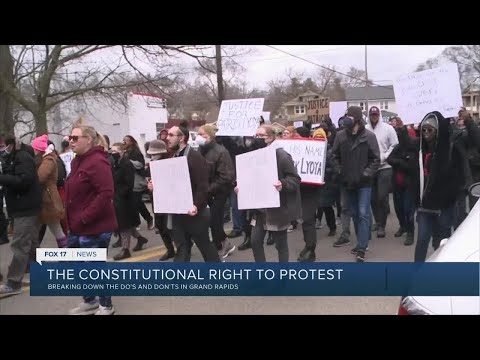
I remember watching news coverage of a local protest not too long ago—there were people waving signs and chanting slogans. It was all so passionate and energetic! But then you see how quickly things can escalate or how police sometimes respond with force. That’s where the legal implications come into play.
So, while you’re out there exercising your right to speak your mind, you’ve got certain protections under the law. But there are also limits, believe it or not. For instance, if a protest turns violent or blocks traffic without permits, things can get dicey. You could face fines or even arrest if you’re not careful. It’s like walking a tightrope—you want to make your voice heard without crossing into illegal territory.
Plus, you’ve got this weird gray area around what constitutes “protected speech.” Some forms of expression might be protected while others can be deemed inappropriate or even harmful. And that line? It shifts based on context and current events.
In more recent times, we’ve seen protests that ignite national debates about police practices and social justice issues—it’s fascinating (and a bit scary) how protests can shape public opinion and policy changes overnight! And while everyone has the right to protest peacefully, tensions often rise because not everyone sees eye-to-eye on an issue.
So yeah, while exercising your constitutional right is super important—both for yourself and for others—it’s worth remembering that those rights come with responsibilities too. The key is finding that balance between making noise and keeping things safe and respectful for everyone involved. Wouldn’t want to let emotions take over completely!




