
The information provided in this article is intended solely for general informational and educational purposes related to U.S. laws and legal topics. It does not constitute legal advice, legal opinions, or professional legal services, and should not be considered a substitute for consultation with a qualified attorney or other licensed legal professional.
While efforts have been made to ensure the information is accurate and up to date, no guarantees are given—either express or implied—regarding its accuracy, completeness, timeliness, or suitability for any specific legal situation. Laws, regulations, and legal interpretations may change over time. Use of this information is at your own discretion.
It is strongly recommended to consult official sources such as the U.S. Government (USA.gov), United States Courts, or relevant state government and court websites before acting on any information contained on this website or article. Under no circumstances should professional legal advice be ignored or delayed due to content read here.
This content is of a general and informational nature only. It is not intended to replace individualized legal guidance or to establish an attorney-client relationship. The publication of this information does not imply any legal responsibility, guarantee, or obligation on the part of the author or this site.
Hey, you ever bought something that just didn’t work right? Like, say, a blender that turns into a mini explosion instead of making your smoothie? Yeah, that’s not cool.
Well, defective products can really mess up your day—and sometimes they can even hurt you. So, what do you do when this happens?
You might think about going to court or filing a claim. But how does all that work? And what role does a jury play in all this?
Believe it or not, the U.S. jury system is super important in these cases. It’s where everyday people like you and me get to weigh in on what’s fair and what isn’t. Pretty wild, right?
Let’s unpack this whole thing together!
Understanding CACI 1201: Key Insights and Legal Implications for Damages in California
When it comes to product liability law in California, CACI 1201 is like your roadmap for understanding how damages work in a defective product case. So let’s break it down.
What is CACI 1201? It stands for the California Civil Jury Instructions for “Products Liability—General.” This instruction helps juries determine if a defendant is liable for damages due to a defective product. Basically, it lays out what needs to happen for someone to win their case against a manufacturer or seller.
Essential Elements of the Instruction include:
- The Product was Defective: The plaintiff must show that the product had some sort of flaw, whether it’s design, manufacturing, or warning-related.
- Causation: The injury or damage had to be directly caused by that defect. So if you’re hurt using a blender, the defect must be what made it dangerous.
- Damages: Finally, you need proof of actual harm or loss. This could be physical injuries or even monetary losses from the incident.
So let’s say you bought a brand-new toaster. One day, it catches fire because of faulty wiring. You were using it exactly how you were supposed to—like anyone else would—when that happened. You get injured and your kitchen has some serious fire damage. Here’s where CACI 1201 kicks in.
The jury will look at whether that toaster had a defect, whether that defect caused your injuries, and finally if you suffered damages. If they find all three elements are met, the manufacturer could be held liable for your injuries and losses.
The Legal Implications are significant here too. If you’re able to prove your case under CACI 1201, the potential damages can include medical costs, lost wages, pain and suffering, and sometimes punitive damages if the manufacturer acted really recklessly.
But here’s something important: in California, there’s also this thing called comparative negligence. That means if you were partly responsible for getting hurt—for example, maybe you ignored some safety warnings—the jury could reduce your award based on how much blame they think belongs to you.
So as you’re navigating these waters with jury trials involving defective products, understanding how CACI 1201 frames your case can really make a difference in how outcomes unfold. The jury has to follow this instruction as they consider all evidence presented; it’s not just numbers on paper but real life consequences involved!
In short: CACI 1201 is crucial in helping juries decide who pays when products fail and cause harm—impacting both legal practices and everyday lives in California!
Understanding CACI 1203: Key Insights into California Civil Jury Instructions and Their Implications
Understanding CACI 1203 is kind of a journey into the world of California’s civil jury instructions, especially when it comes to **defective products**. So let’s break this down and see what it’s all about.
First off, CACI stands for **California Civil Jury Instructions**. They’re like a guide for jurors during trials in California. It helps them understand the law related to the case they’re examining. CACI 1203 specifically deals with defective products, which is a huge area in personal injury law.
Now, what does it actually say? CACI 1203 sets out that a **manufacturer** or seller can be held responsible if they sell a product that has defects making it unsafe for consumers. If someone gets hurt because of that product, they can file a lawsuit based on this instruction.
Here are some key points about CACI 1203:
- Types of Defects: It includes three main types: design defects, manufacturing defects, and failure to warn. Each one tells different stories about how products can go wrong.
- Burden of Proof: The plaintiff (the person suing) has to prove that the product was defective and that this defect caused their injury. This isn’t always easy!
- Comparative Negligence: California follows a rule where if the injured person was partly at fault (say they used the product incorrectly), their compensation might get reduced.
Let’s say someone buys a blender that explodes because it had a design flaw. If they get hurt from that explosion, CACI 1203 guides jurors on how to think about whether the manufacturer should be held liable.
The implications here are pretty significant for both consumers and companies. For consumers, it means they have rights and can seek compensation for injuries caused by defective products. On the flip side, manufacturers have to be super careful about designing safe products or face serious consequences in court.
A little anecdote could bring this home: Imagine Sarah buys a toy for her kid—it’s supposed to be safe but ends up having sharp edges because of a manufacturing error. Her child gets hurt while playing with it. Under CACI 1203, Sarah could take legal action against the toy company if she can prove the defect caused her child’s injury.
Remembering these insights into CACI 1203 helps illuminate how important proper jury instructions are during trials involving defective products in California. They help ensure fairness and justice in those tough situations!
Understanding CACI 1204: Key Insights on California’s Jury Instructions for Intentional Infliction of Emotional Distress
Understanding CACI 1204 can feel a bit like navigating a maze, but it’s really about grasping how the law looks at intentional infliction of emotional distress in California. So, let’s break it down together.
First off, what is CACI 1204? It’s a jury instruction used in California that guides jurors on what they need to consider when determining if someone has intentionally inflicted emotional distress on another person. Basically, it lays out the criteria to make this tough call.
Now, for you to win a claim based on this instruction, there are several elements that need to be established. Here are the main points:
- Extreme and Outrageous Conduct: The behavior has to be pretty severe. We’re talking about actions that go beyond just being rude or annoying.
- Intent: The person doing the act must have intended to cause distress or acted with reckless disregard for your feelings.
- Causation: There has to be a clear link between the conduct and your emotional distress.
- Severe Emotional Distress: You’ve actually got to suffer from serious emotional problems as a result of what they did. Just feeling “a bit upset” isn’t gonna cut it.
Let’s take a minute here to talk about what ‘extreme and outrageous conduct’ means. Think of an example where someone constantly harasses you at work in an aggressive manner: like yelling personal insults in public. That’s the kind of behavior we’re looking at here.
The next crucial part is intent. Imagine someone knowing their words will hurt you and still decides to say them anyway—it’s that level of intent we’re addressing.
Causation is straightforward but vital. It connects that awful behavior directly with your distress. If you were already dealing with depression before the incident, you might have trouble proving causation.
Then we hit the last element: severe emotional distress. This isn’t just feeling sad; we’re talking about real impacts on your day-to-day life—maybe struggling with anxiety or being unable to sleep because of the situation.
A real-life scenario for clarity: Consider someone who shares false rumors about you at work, which leads you into social isolation and anxiety attacks. If proven that their intent was malicious, then they’ve crossed into territory where CACI 1204 could come into play.
Lastly, it’s worth mentioning how these instructions fit into the larger picture of California laws and jury systems regarding emotional distress claims. Jurors often find these guidelines helpful in understanding complex legal ideas without getting lost in jargon.
In wrapping things up—CACI 1204 helps ensure fair play when it comes to claims of emotional distress by clearly outlining what needs proving and giving jurors a structured approach to decision-making. There’s definitely more depth under the surface than most people realize!
You know, defective product cases can really get complicated, but they’re super important when it comes to protecting consumers. Think about that time your friend bought a brand-new blender. You remember, right? Well, they plugged it in and bam! It started smoking and, like, almost caught fire. Scary stuff! The thing is, products can be dangerous if they’re not made properly or if the instructions are unclear.
In the U.S., if you’re harmed by a defective product, you might think about filing a lawsuit against the company that made or sold it. But what exactly does that involve? So here’s the deal: under product liability law—which sounds all formal and stuff—you can hold manufacturers accountable if their products are flawed in design, manufacturing, or marketing.
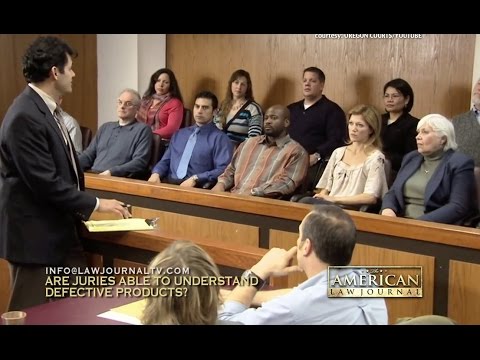
Now let’s get into the nitty-gritty of jury service in these kinds of cases. Once you take your case to court, a jury often gets involved to determine whether the product was indeed defective and if it caused harm. That’s where things become interesting! I mean, think about it: a group of regular people sitting there trying to make sense of complex legal standards and technical jargon regarding products they’ve probably never even seen before.
The jury has this massive responsibility to weigh evidence presented by both sides—kind of like being on a reality show but way less glamorous! They have to decide if the plaintiff (that’s usually the person who got hurt) meets certain legal standards showing that the product was defective. And honestly? It can be really tough for them because they have to balance understanding technical details against real-life experiences.
But here’s where it gets messy: juries also bring human emotions into their decisions. They might feel sympathy for someone who got hurt—like your friend with that blender—so those feelings can influence their judgment even if they don’t realize it. Plus, sometimes juries want to send a message to companies about safety and accountability.
Navigating through all this isn’t just about laws but also about stories—you know? Jurors often respond to narratives more than just cold hard facts. It’s fascinating how one personal story can shift their entire perspective on liability.
So next time you hear about a defect case in court or maybe even get summoned for jury duty yourself, keep in mind there’s so much going on beneath the surface of those legal terms and procedures—and you might just play a role in setting things straight for other consumers out there!




