
The information provided in this article is intended solely for general informational and educational purposes related to U.S. laws and legal topics. It does not constitute legal advice, legal opinions, or professional legal services, and should not be considered a substitute for consultation with a qualified attorney or other licensed legal professional.
While efforts have been made to ensure the information is accurate and up to date, no guarantees are given—either express or implied—regarding its accuracy, completeness, timeliness, or suitability for any specific legal situation. Laws, regulations, and legal interpretations may change over time. Use of this information is at your own discretion.
It is strongly recommended to consult official sources such as the U.S. Government (USA.gov), United States Courts, or relevant state government and court websites before acting on any information contained on this website or article. Under no circumstances should professional legal advice be ignored or delayed due to content read here.
This content is of a general and informational nature only. It is not intended to replace individualized legal guidance or to establish an attorney-client relationship. The publication of this information does not imply any legal responsibility, guarantee, or obligation on the part of the author or this site.
So, let’s chat about service animals. You’ve probably seen those adorable pups, right? They’re not just pets; they play a huge role in people’s lives, especially for those with disabilities.
Now, when we think about them in the context of U.S. law and courts, things can get a wee bit complicated. But don’t worry! It’s not as dry as it sounds.
Imagine being in a courtroom, and then boom—there’s a service dog chilling beside someone who really needs them. Pretty powerful stuff! They’re there for more than just companionship; they can actually impact legal outcomes.
So why does this matter? Well, understanding how these furry friends fit into the legal system is key for everyone—like whether they’re allowed on planes or in public places. Let’s dig into the basics and unveil what’s really going on with Delta service animals!
Understanding Delta’s Policies on Service Animals: A Comprehensive Guide
Alright, let’s break down Delta’s policies on service animals in a way that makes it simple to understand. You know how important it is for some folks to have their service animals with them, especially when flying? Well, Delta has specific rules that fit into the broader framework of U.S. law regarding service animals.
First off, what qualifies as a service animal? Under the Americans with Disabilities Act (ADA), a service animal is specifically defined as a dog trained to perform tasks for people with disabilities. But here’s the kicker—emotional support animals don’t fall under this category. So if you were thinking your beloved poodle could fly with you just because it calms your anxiety, think again!
Now, Delta’s policy states that customers can travel with trained service dogs at no additional charge. Just make sure these pups are well-behaved and under control throughout the flight. They can’t be disruptive or aggressive—like barking non-stop or trying to chase after the beverage cart.
When you arrive at the airport, you’ll want to be aware of Delta’s documentation requirements. You might need to show proof of your disability and that your dog is indeed trained as a service animal. This can include filling out forms or providing certain documentation before boarding.
Another thing is advance notice. While Delta can allow service dogs without prior notification, if you’re traveling with an emotional support animal or other types of assistance animals (like miniature horses!), you must inform them at least 48 hours ahead of time. That way they can make any necessary arrangements.
There’s also the issue of aircraft size and type. Some planes are just too small for larger assistance animals—so always check in advance if you’re uncertain about how this all works.
And what about behavior? If you’re flying with a service dog on Delta and it doesn’t behave or poses a threat, they have every right to deny boarding. It’s not fair to other passengers if your dog’s suited up like a superhero but acts like a villain!
Lastly, always keep in mind that laws regarding service animals can be different depending on the state or city you’re in. So while Delta follows federal guidelines set by the ADA, local laws may offer further protections—or impose additional restrictions—on where and how service animals can accompany their handlers.
So there you have it! Navigating Delta’s policies around service animals involves knowing what counts as a legit service dog, being aware of documentation needs, providing advance notice when necessary, understanding aircraft limitations, and ensuring good behavior on board. It sounds like a lot sometimes, but being prepared helps make everything smoother!
Understanding Federal Protections for Service Animals: Key Legal Insights
So, you’re curious about federal protections for service animals? You’re not alone! This is a topic that comes up a lot, especially with how we interact with animals in public spaces like airlines, restaurants, and workplaces.
First off, let’s talk about what a service animal actually is. Under the Americans with Disabilities Act (ADA), a service animal is defined specifically as a dog that has been trained to perform tasks for someone with a disability. We’re talking about things like guiding the visually impaired, alerting those who are deaf, or even helping someone who has anxiety. The key point? Only dogs qualify as service animals under federal law.
Now, you might hear folks mentioning emotional support animals or therapy animals. These can provide comfort and companionship but don’t have the same legal standing under the ADA. That’s one reason there’s often confusion when it comes to traveling or dining out with your furry friend.
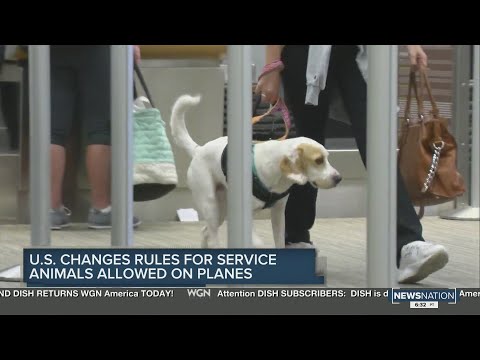
When it comes to air travel, airlines used to have pretty lax rules about emotional support animals. But in recent years, regulations have tightened up. Under current federal law, only trained service dogs are allowed in the cabin of an aircraft. So if you’re flying Delta or another major airline and you’ve got an emotional support animal? You may need to leave them at home unless they’ve got that official service dog status.
Beyond just air travel, let’s touch on housing rights. The Fair Housing Act (FHA) allows for reasonable accommodations for people with disabilities who require assistance animals—this means more than just dogs; other types of animals may also be included if they assist those with disabilities in some way. So if your landlord says “no pets,” you might still be able to keep your supportive companion at home!
You should also know that businesses can ask two specific questions if they see someone with a service animal:
- Is this dog a service animal required because of a disability?
- What work or task has this dog been trained to perform?
This means employees can’t just ask for proof of certification or ownership papers—because there aren’t any legally required documents for service dogs.
Anecdotally speaking, I once saw an incredible moment where a woman with severe PTSD had her trained service dog sitting beside her in a cafe. It was heartwarming watching how the dog provided comfort while she navigated conversation—showing just how vital these furry companions can be in everyday life.
The thing is, understanding these federal protections means being aware of your rights—and knowing how they might vary state by state too! Some states have additional laws protecting various types of assistance animals beyond what’s covered federally.
If you think about it from all angles: federal law sets the basic ground rules while states can enhance those protections depending on local needs and circumstances.
So whether you’re traveling across the country via Delta Airlines with your pup or figuring out housing arrangements that include your trusty sidekick—being informed on these legal insights makes all the difference!
If you ever find yourself questioning whether an animal qualifies as a service animal in any situation, just remember: it ultimately comes down to their training and what tasks they provide for someone living with a disability.
Understanding Your Rights: Can Police Separate You from Your Service Dog?
So, you’ve got a service dog, huh? That’s pretty cool! But let’s talk about what happens when the police get involved. Can they separate you from your furry sidekick? Well, it’s important to understand your rights in this situation.
First things first, under the Americans with Disabilities Act (ADA), service animals are defined as dogs that are trained to perform tasks for individuals with disabilities. This means they have a specific role—like guiding someone who is visually impaired or alerting someone to medical issues. Emotional support animals don’t have those same rights under ADA laws.
Now, if a police officer approaches you and your service dog, the officer can ask only two questions:
1. Is this dog a service animal required because of a disability?
2. What work or task has the dog been trained to perform?
They can’t just demand proof or ask personal details about your disability. It’s all about respecting your privacy and dignity.
That said, police do have some authority to separate you from your dog if there’s cause for concern. If they think the dog poses an immediate threat or is out of control—barking excessively or being aggressive—they can step in. This isn’t just random; it’s based on public safety.
Let me give you an example: imagine you’re at a park with your service dog. Suddenly, another person decides to approach because they think all dogs should be petted (seriously!). Your dog reacts poorly because it’s trained to protect you in certain situations. If police show up and assess that there’s danger, they might temporarily separate you from your service animal while resolving the situation.
It’s also worth noting that local laws may offer additional protections or rules regarding service animals and interactions with law enforcement. Always check what applies specifically in your area!
In summary, while police can’t just decide to separate you from your service dog without cause, there are situations where they can intervene for safety reasons. Understand these rights helps equip you when navigating any encounters with law enforcement regarding your much-loved companion!
So remember: know what qualifies as a service animal, know what officers can and cannot ask during these interactions, and always keep communication open when dealing with authorities!
So, you know how sometimes you just have to travel and you figure, hey, let’s bring along my service animal? Well, when it comes to flying—especially with major airlines like Delta—there’s so much buzz about what that actually means legally. And I get it; it’s like a whirlwind of rules and emotions.
Think about the last time you saw someone waiting at an airport with their service dog. There’s something heartwarming about that connection. Not only is the animal there for emotional support or help, but they also hold a significant spot in the legal framework surrounding travel rights in the U.S.
Now, Delta Airlines has its own set of guidelines for service animals. These rules have evolved over the years, especially after changes in federal law. The Americans with Disabilities Act (ADA) lays down some baseline protections for people traveling with service animals—but it mostly covers dogs trained to do specific tasks for people with disabilities. Emotional support animals? That’s a different ballgame and not fully recognized under the ADA. So, when Delta decided to tighten its policies on emotional support animals, many folks were understandably upset.
I remember one case where a woman tried to board her flight with her emotional support peacock! Yeah, seriously! She thought her lovebird would help her calm down during the flight. Can you imagine being squished next to that? But this kind of situation puts airlines in a tough spot—it’s all about balancing individual rights and public comfort on packed flights.
In courts across the country, various rulings have been made regarding service animals—mostly dogs—as they play key roles in so many people’s lives. Courts look at factors like whether these animals are genuinely helping someone lead a fuller life or if they’re just being used as an excuse to travel with pets that don’t fit under those legal definitions.
It can feel overwhelming trying to navigate these laws if you’re someone who relies on your furry friend for daily tasks or just mental comfort. And as we see these cases pop up in front of judges or juries—like any good courtroom drama—you realize that it’s not just about the legalities; it dives into deeper questions of human rights and dignity too.
In short, Delta and other airlines face challenging decisions regarding their policies around service animals while standing by laws meant to protect individuals’ rights. It all ties back into how society views disabilities and assistance—as well as how we can find common ground when it comes to flying high above our worries!




