
The information provided in this article is intended solely for general informational and educational purposes related to U.S. laws and legal topics. It does not constitute legal advice, legal opinions, or professional legal services, and should not be considered a substitute for consultation with a qualified attorney or other licensed legal professional.
While efforts have been made to ensure the information is accurate and up to date, no guarantees are given—either express or implied—regarding its accuracy, completeness, timeliness, or suitability for any specific legal situation. Laws, regulations, and legal interpretations may change over time. Use of this information is at your own discretion.
It is strongly recommended to consult official sources such as the U.S. Government (USA.gov), United States Courts, or relevant state government and court websites before acting on any information contained on this website or article. Under no circumstances should professional legal advice be ignored or delayed due to content read here.
This content is of a general and informational nature only. It is not intended to replace individualized legal guidance or to establish an attorney-client relationship. The publication of this information does not imply any legal responsibility, guarantee, or obligation on the part of the author or this site.
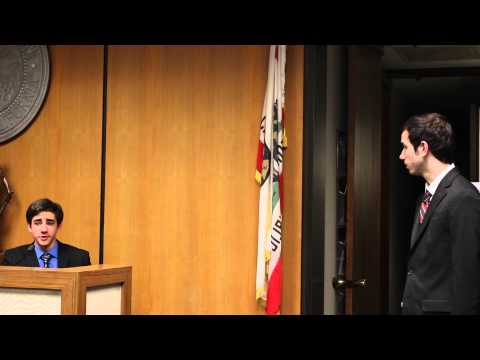
You know how in movies, the lawyer stands up and starts grilling a witness? Yeah, that’s direct cross examination for you. It’s that intense moment where everything hangs in the balance.
Imagine being in a packed courtroom, tension thick enough to cut with a knife. The audience is on the edge of their seats, waiting to see if the truth will come out or if it’ll all come crashing down.
Direct examination lets the witness tell their story, but then comes the cross-examination part. That’s when things can get a little spicy!
In this piece, we’ll break down how this whole thing works in the American jury system. You’ll see why it’s a game-changer when it comes to getting to the bottom of things. So stick around!
Understanding the 3 C’s of Cross-Examination: Key Strategies for Effective Legal Practice
Alright, let’s get into the nitty-gritty of the 3 C’s of cross-examination. When we talk about cross-examination in the American jury system, we’re primarily focusing on control, credibility, and clarity. Each plays a vital role in how effective your cross-examination can be.
Control is all about maintaining the flow of questioning. You want to lead the witness where you want them to go, not the other way around. Imagine this: you’re in a courtroom, and there’s a witness who starts rambling off about everything but the point at hand. Frustrating, right? To keep control, stick to simple questions that can be answered with a “yes” or “no.” This helps you avoid letting them drift off-topic.
Credibility is key too. You want to challenge a witness’s reliability without throwing mud. Think of it like this: if you can show that they might have reasons to lie or exaggerate, it makes their testimony less believable to the jury. For example, if someone says they saw an event clearly from far away but has poor eyesight—that’s an opening! It’s not about being mean; it’s about pointing out inconsistencies and letting the jury see why they might want to question what this person said.
Now, let’s talk about clarity. This one’s crucial because a confused jury won’t remember much of anything. Ask straightforward questions and avoid legal jargon like it’s some kind of puzzle. You want everyone in that room—juries, judges—to understand what you’re driving at without needing a dictionary at hand.
So here are some strategies for effective practice:
- Prepare thoroughly: Know your case inside out so you can anticipate answers.
- Simplify your language: Use words everyone understands.
- Create consistency: Get them to repeat important facts—this builds reliability.
- Avoid open-ended questions: Keep those queries tight; open-ended ones give witnesses room to roam.
- Tactfully confront contradictions: Gently point out any discrepancies in their story without making it personal.
In practice, maybe you’ve seen this exemplified in TV dramas where lawyers pull out some previously hidden evidence that flips everything upside down during cross-examinations—while that’s glamorized quite a bit, real courtrooms often hinge on how well these 3 C’s are used.
At the end of the day, mastering these concepts isn’t just about winning cases; it’s about ensuring justice is served—because every testimony counts when lives are at stake! So keep those 3 C’s in mind next time you’re thinking about cross-examination strategies—they’re your best friends in court!
Key Questions in Direct Examination: A Comprehensive Guide for Legal Practitioners
Direct examination is one of those things in the courtroom that can make or break a case. When you’re up there, asking your witness questions that support your side of the argument, you want to be smooth and effective. So, let’s dig into some key questions and strategies you can use during direct examination.
What Are Open-Ended Questions?
First off, you really want to stick to open-ended questions. You know, questions that can’t just be answered with a simple “yes” or “no.” This way, your witness has the chance to tell their story in their own words. For instance, instead of asking “Did you see the accident?” try something like “Can you describe what you saw on that day?” It gives them room to elaborate.
Establishing Credibility
Next up, establishing your witness’s credibility is super important. You want the jury to trust what they are saying. Ask questions about their background and qualifications. For example, “What is your experience in this field?” or “Can you explain your relationship to the events we’re discussing?” Building this foundation makes everything else stronger.
Focus on Facts
Now, keep it factual! Stick to what’s really relevant and avoid wandering off topic. Each question should lead logically into the next. Let’s say you’re working a personal injury case; ask about the details of the incident: “What were the weather conditions like when it happened?” This helps paint a clearer picture without clutter.
Use Visual Aids Wisely
If you’ve got visual aids—like photos or diagrams—don’t shy away from utilizing them during direct examination, but only if they genuinely help tell the story. You might say something like, “Can you point out where you were standing in this photo?” This creates a more engaging narrative for jurors who are often visual learners.
Simplifying Complex Information
Look, if you’re dealing with complex information—like medical records or legal jargon—it’s essential to break it down into simpler terms. If you’re asking a doctor about their diagnosis, instead of getting lost in medical terms, frame it like this: “Could you explain how that diagnosis affects someone’s daily life?” You’re translating fancy talk into relatable stuff.
Avoid Leading Questions
Hey—and here’s a biggie—avoid leading questions during direct examination! These are those sneaky ones that suggest their own answer (you know what I’m talking about). Asking “You felt pain after the accident, didn’t you?” is leading and could undermine trust with the jury. Keep it neutral!
Wrap It All Up
Finally—don’t forget to wrap things up nicely at the end! After covering all your bases with evidence and credible info from witnesses, summarize key points for clarity. Try something like: “So just to clarify; based on your experience and what you’ve described today…”
Direct examinations can definitely feel overwhelming at times! Remembering these key strategies can help maintain clarity and get crucial information across effectively. It’s all about shaping a narrative that resonates with jurors while keeping everything straightforward and honest; because at the end of day? They’re relying on both sides to present truthfully!
Understanding Direct Cross-Examination: Key Insights and Techniques in Legal Proceedings
Direct and cross-examination are essential parts of the trial process. You might have seen them in movies or TV shows, where lawyers get up and question witnesses. Let’s break this down.
Direct Examination is when an attorney questions their own witness to build a case. The key here is to let the witness tell their story without leading them too much. You don’t want to suggest the answer. Instead, you ask open-ended questions like, “Can you describe what happened that day?” That encourages the witness to share their experience fully.
On the flip side, we have Cross-Examination. This is when the opposing party gets a chance to question that same witness. The goal here? To challenge their testimony and create doubt about their reliability. It’s a bit more intense! Imagine someone asking sharp questions that put pressure on the witness, like “Isn’t it true that you were not even at the scene?”
Here are some key insights into these processes:
- Control of Narrative: During direct examination, you’re shaping how the story unfolds.
- Aiming for Clarity: You want clear and straightforward answers from your own witnesses.
- Preparation is Essential: Both sides prepare by going over potential questions with witnesses ahead of time.
- Using Evidence Wisely: Presenting documents or photos during direct examination can make a strong point.
- Timing Matters: Each side has a limited time for each examination which can get intense!
- Tactics during Cross-Examination: Opposing attorneys might use tactics like asking leading questions or highlighting inconsistencies in a witness’s earlier statements.
Now, let’s think about an example from real life—a friend of mine was involved in a civil suit after a car accident. During direct examination, her attorney asked her simple questions about what she remembered from the incident. My friend was nervous but spoke clearly about how everything happened.
When it came time for cross-examination, things got tougher. The opposing lawyer threw complicated questions her way—like trying to discredit her memory by pointing out small details she might’ve missed or forgotten after all that time. It was pretty stressful! But it also showed how crucial these two examinations are in building trust and revealing truth.
In summary, understanding both direct and cross-examination processes gives you insight into how legal proceedings unfold. Each part plays its role in piecing together facts while also creating a space for scrutiny—and that’s where justice aims for balance!
Alright, let’s talk about direct and cross-examination in the jury system. You know, it’s one of those things that sounds super formal but is really just part of how our legal system tries to get to the truth.
Picture this: you’re sitting in a courtroom, maybe a little anxious, and the tension is thick. The atmosphere is all serious – lawyers buzzing around, witnesses getting prepped, and jurors trying to soak it all in. Direct examination is when a lawyer calls a witness to share their story. It’s like an open floor where that witness can spill everything they know. The attorney guides them through their testimony with questions designed to highlight important facts. You’re totally engaged; it feels like you’re on this journey with the witness.
But then comes cross-examination, where things change gears dramatically! This part gets spicy because it’s the opposing lawyer’s turn to take over. They can challenge what the witness said during direct examination. This is where it gets interesting! Imagine the witness stumbling over a detail – the tension rises as they try to keep their story straight while being grilled by another attorney who’s got their own agenda.
And here’s where I think about real-life drama — like how often we see this play out in movies or TV shows? It makes sense why people find courtroom scenes so riveting! But for those involved—like that witness—it can be nerve-wracking. After all, your words can shape someone else’s future.
There are rules governing how both sides can question witnesses, which keeps everything fair and balanced. But still… I sometimes wonder about how much of it is performance versus reality. I mean, when you’re up there facing tough questions under pressure, emotions run high.
In essence, direct and cross-examination are crucial parts of trial proceedings—they reveal details and help juries make informed decisions based on what’s presented in court. Each side has its moment to shine or falter! It’s fascinating how these interactions unfold and play critical roles in our justice system. It’s like a dance—sometimes graceful but often clumsy—reflecting real human experiences wrapped up in legal jargon and court decorum.
So next time you hear about a trial or watch one unfold on screen or wherever… remember there’s so much more happening beneath those formal exchanges than meets the eye!




