
The information provided in this article is intended solely for general informational and educational purposes related to U.S. laws and legal topics. It does not constitute legal advice, legal opinions, or professional legal services, and should not be considered a substitute for consultation with a qualified attorney or other licensed legal professional.
While efforts have been made to ensure the information is accurate and up to date, no guarantees are given—either express or implied—regarding its accuracy, completeness, timeliness, or suitability for any specific legal situation. Laws, regulations, and legal interpretations may change over time. Use of this information is at your own discretion.
It is strongly recommended to consult official sources such as the U.S. Government (USA.gov), United States Courts, or relevant state government and court websites before acting on any information contained on this website or article. Under no circumstances should professional legal advice be ignored or delayed due to content read here.
This content is of a general and informational nature only. It is not intended to replace individualized legal guidance or to establish an attorney-client relationship. The publication of this information does not imply any legal responsibility, guarantee, or obligation on the part of the author or this site.
You know, when it comes to the law, things can get a bit murky. I mean, just think about all those rules that govern how people get disciplined—like in schools or workplaces. It’s a lot to take in, right?
Most folks don’t realize how these disciplinary laws really work. They can affect you or someone you know at any time.
And it’s not just about getting grounded or losing a job; it’s about fairness, rights, and sometimes even justice. It can feel overwhelming, like trying to untangle a huge ball of yarn!
But here’s the thing: once you break it down and understand the basics, it gets easier to navigate. So let’s dive into this together!
Understanding the Legal Aspects of the Disciplinary Process: Key Considerations and Best Practices
The disciplinary process in the U.S. can feel a bit overwhelming, right? I mean, it’s one of those things that most people don’t think about until they actually find themselves facing it. So let’s break down some of the legal aspects, shall we?
Understanding the Basics
First off, discipline usually comes into play when someone breaks rules or standards set by an organization—think schools, workplaces, or professional bodies. The disciplinary process is meant to address these issues in a structured way. It’s a serious matter because the consequences can affect your career and reputation.
The Right to Due Process
A key point in any disciplinary action is your right to due process. This means you have the right to be informed about what you’re being accused of. You also get to present your side of things before any decisions are made about consequences. Imagine being scolded at school but not knowing why—it just wouldn’t feel fair, you know?
Key Stages in the Disciplinary Process
Most organizations follow similar stages when handling discipline:
- Investigation: They look into what happened. This might involve interviews and reviews of documents.
- Notice: You get notified about the allegations against you. This should include specific details!
- Hearing: A chance for you to present your case—this could be formal or informal.
- Decision: After hearing both sides, they’ll make a call on what happens next.
Each stage is important for ensuring fairness and transparency.
The Importance of Documentation
Keeping good records during this whole process is crucial! If you’re involved in something like this—whether you’re on the receiving end or part of the disciplinary team—document everything! It helps protect your rights and can be useful if there are disputes later on.
Your Organization’s Policies Matter
Different places have distinct policies that guide their disciplinary procedures. It’s super helpful to know what those are before anything escalates! If you’re unsure where to find this info, look at employee handbooks or school guidelines.
Anecdote Time!
So picture this: A friend of mine once got called into his boss’s office after some complaints about his performance. He thought he was going to get fired! But because he had kept detailed records of his projects and communications, he presented them during his hearing. Turns out there was just a misunderstanding—and he ended up getting promoted instead! Pretty wild how documentation can change everything.
If Things Go Wrong
Sometimes disputes over discipline lead people to seek other avenues like mediation or even legal action if they believe their rights were violated. Legal advice here can help navigate these waters—like knowing if you’re protected under any employment laws!
A Final Thought
Disciplinary processes are no walk in the park but understanding your rights and knowing how things generally work can really help you stand firm if you ever find yourself caught in it all. Keep informed and remember that fairness should always be at the heart of these actions!
Understanding the Five Key Disciplinary Procedures in the Workplace
Understanding disciplinary procedures in the workplace can feel a bit overwhelming. But when you break it down, it’s really about having a clear set of steps to follow when issues pop up. Let’s dive right into the five key disciplinary procedures you need to know about.
1. Verbal Warnings
This is usually the first step in addressing a problem. If you’re an employee who’s late to work often, for example, your boss might call you in for a quick chat. It’s informal but serious. You get a chance to hear what’s wrong without being thrown under the bus immediately. You know? It’s more like a heads-up than anything else.
2. Written Warnings
If things don’t improve after that verbal nudge, the next step is typically a written warning. Here, your employer puts pen to paper about what’s going on and why it matters. It goes in your file too! For instance, if someone is consistently not following safety protocols, they might get this kind of warning as an official record indicating that there are serious concerns.
3. Suspension
Now, if behavior doesn’t change even after those warnings, we might hit suspension territory next. This isn’t just a slap on the wrist; it usually means time away from work without pay for a set duration—like being grounded as a kid but with way more paperwork! Imagine if someone was caught using company resources for personal gain—a suspension could be on the table here.
4. Demotion
Sometimes demotion can follow after serious offenses or continued issues despite previous discipline. Basically, if you’ve been promoted but keep messing up, your boss might decide you’re better suited to a less demanding role until you can prove yourself again. Think of it like taking away privileges until trust is rebuilt.
5. Termination
Finally, when all else fails and nothing changes—it’s time for termination. This is where things get real serious! If someone continuously breaks rules or engages in misconduct—like harassment or theft—they may find themselves out of a job entirely.
So there you have it—five key disciplinary procedures that help maintain order at work while ensuring everyone knows where they stand and what’s expected from them! These steps are crucial not just for keeping things fair but also for protecting both employees and employers under various labor laws that ensure everyone gets treated right during these processes.
Remember though: these aren’t set-in-stone rules—they can vary from one workplace to another based on their specific policies and values!
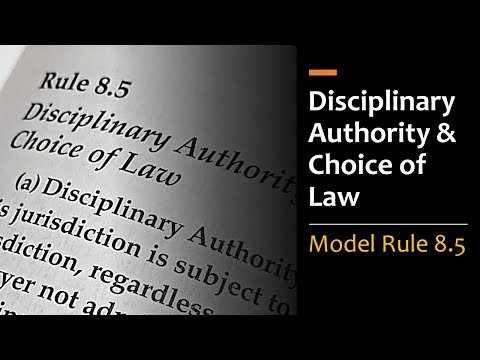
Understanding Rule 8.5: Disciplinary Authority in Legal Practice
Alright, let’s get into Rule 8.5 and what it means when it comes to disciplinary authority in legal practice. This rule is part of the Model Rules of Professional Conduct, which basically set the standards for lawyers in the U.S. It’s important because it helps ensure that attorneys behave ethically and competently.
So, what does Rule 8.5 say? Well, it mainly outlines which state has the authority to discipline a lawyer for their conduct. This can be kind of tricky because a lawyer might practice in multiple states or even serve clients from different locations.
Here’s the gist: A lawyer is typically subject to disciplinary action in two main places.
- The state where they are licensed to practice.
- The state where they engage in conduct that violates professional rules.
This means if you’re a lawyer licensed in California but you make a mistake while working with a client who lives in New York, both states can have some say over your actions. Crazy, right? It just shows how interconnected things are! This makes sure that lawyers can’t just hop around and avoid consequences.
Now, let’s break it down further:
- If you’re practicing law in your home state and mess up there, you’ll usually face disciplinary action from your local bar association.
They’ll investigate complaints and decide if any rules were broken. - If you’ve hurt someone or gone against regulations while practicing outside your home state? Yup! You could still get into trouble back home or even where you did the questionable act!
- Some states have special provisions about this too. So it’s not just cut-and-dry; different places might handle things uniquely based on their own laws and ethics rules.
One common example is when lawyers work on cases involving federal law but are licensed in one state while the client is based elsewhere. They can still be held accountable by their home state’s bar association even if they’re technically following federal guidelines.
What happens if they break the rules? Disciplinary action can vary widely depending on the severity of the infraction. It might range from something mild like a warning all the way to disbarment—yikes! That means losing their license entirely!
The whole point here is about holding lawyers accountable so that clients can trust them with important legal matters. If attorneys acted without any regulations, well… that could lead to all sorts of chaos!
If you’re curious how this all plays out or want to know more about specific cases? Keep an eye on local bar association news; they often publish actions taken against attorneys for various offenses. It’s pretty fascinating stuff!
So there you have it—a quick overview of Rule 8.5! It’s not just some legal mumbo jumbo; it’s really about maintaining high standards within the legal profession so you can feel safe and secure when hiring a lawyer!
Navigating disciplinary laws in the American legal system can feel like trying to find your way through a maze. It’s complicated, and honestly, it can be pretty intimidating. You’ve got all these rules and regulations that vary depending on the state, profession, or even situation. So, picture this: You’ve just finished school to become a nurse. Your heart is set on helping people; you dream of making a difference. But then, out of nowhere, you get into trouble for something you did (or didn’t do) on the job. Now, you’re sitting there worried about your license and future.
So what’s next? Well, that’s where disciplinary laws come into play. These laws are essentially the guidelines that govern professional conduct for various occupations. If someone messes up—say, they’re caught stealing medication or perhaps they failed to report an important medical incident—there’s usually a process that kicks in to deal with it.
The thing is, disciplinary actions can range from a slap on the wrist to losing your license altogether. And while that sounds scary (because it really is), every state has different boards and procedures set up to handle these issues fairly. You have your administrative hearings that make it all feel very official—kind of like being in court but without all the drama of a criminal trial.
But let’s not forget how tricky it can be! Not everyone knows their rights or what kind of evidence they need to present in their defense. Imagine you’re trying to explain yourself without fully understanding the rules—you might end up saying something that hurts your case more than helps it!
Then there’s also the emotional toll this whole situation can take. It’s not just about proving you’re capable of doing your job; it’s about defending your reputation and livelihood. I mean, think about how many late nights you’ve spent studying or working hard just to get where you are today!
So yeah, navigating these laws isn’t just legal jargon—it’s personal lives and dreams at stake. When things go sideways in any profession governed by strict laws—a doctor screwing up surgery or an attorney mishandling a case—it has real consequences for everyone involved.
Ultimately, understanding disciplinary laws means being proactive about knowing what could affect you professionally. Whether you’re just starting out in a field or have years under your belt, staying informed helps ensure that when challenges arise—and they will—you’re not caught off guard!




