
The information provided in this article is intended solely for general informational and educational purposes related to U.S. laws and legal topics. It does not constitute legal advice, legal opinions, or professional legal services, and should not be considered a substitute for consultation with a qualified attorney or other licensed legal professional.
While efforts have been made to ensure the information is accurate and up to date, no guarantees are given—either express or implied—regarding its accuracy, completeness, timeliness, or suitability for any specific legal situation. Laws, regulations, and legal interpretations may change over time. Use of this information is at your own discretion.
It is strongly recommended to consult official sources such as the U.S. Government (USA.gov), United States Courts, or relevant state government and court websites before acting on any information contained on this website or article. Under no circumstances should professional legal advice be ignored or delayed due to content read here.
This content is of a general and informational nature only. It is not intended to replace individualized legal guidance or to establish an attorney-client relationship. The publication of this information does not imply any legal responsibility, guarantee, or obligation on the part of the author or this site.
So, let’s talk about the DMCA Takedown Requests. You’ve seen them pop up online, right?
Basically, these are like those “Hey, take this down!” notices that you get when someone thinks you’re doing something shady with their stuff. It sounds simple enough, but there’s a lot more happening behind the scenes.
Picture this: You’re scrolling through TikTok, and suddenly you see a video using that catchy song you love. But wait! Is it legal? Enter the DMCA. It’s a big deal in U.S. law and can really affect how we share and create content online.
We’re diving into how these requests work and why they matter so much. Seriously, knowing about this stuff can save you from some sticky situations!
DMCA Takedown Notice Template: Protect Your Copyrights Effectively
DMCA Takedown Notices are like the superheroes of copyright protection in the digital world. If someone uses your work without permission, these notices can help you get it taken down. But how do they work? Let’s break it down.
First off, what is the DMCA? The Digital Millennium Copyright Act is a law that helps protect copyrighted material online. If you notice your stuff being misused—like a video, an image, or even a song—you can send a takedown request to the offending website.
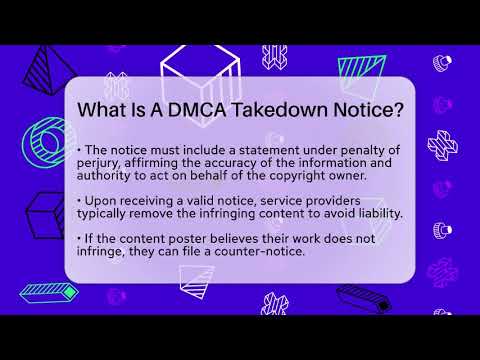
Now, let’s talk about how you actually draft one of these notices. You don’t need to be a legal whiz to do this, but there are some important elements you have to include:
- Your contact info: This includes your name, address, phone number, and email. Make sure it’s accurate! You want them to be able to reach you.
- Description of the infringement: Explain what copyrighted material is being used without permission. Be specific here; it helps people understand your case better.
- Location of the infringing material: List where they can find the infringing content on the website—this may be a URL or multiple URLs.
- A statement of good faith: You need to swear that you believe this use is unauthorized and that you’re not playing games here.
- Your signature: If you’re submitting a physical letter, sign it! If it’s electronic, make sure you include your name as if you’re signing it.
You might be thinking: why go through all this trouble? Well, consider this story: A friend of mine created an amazing piece of art and shared it online. Not long after, she discovered someone was selling prints of her work without her consent! Frustrated but determined, she sent out a DMCA takedown notice. Within days, her art was removed from that site. Pretty empowering stuff!
So once you send this notice—what happens next? The website hosting the infringing content has to act pretty quickly. They typically take down the content or disable access until there’s clarity about whether you’ve got copyright ownership.
However—and there’s always a “but,” right?—if they don’t comply and you’ve followed all these steps correctly, then you’d likely want to seek legal help moving forward.
It’s also worth mentioning that if someone feels your takedown request was unjustified—they can file what’s known as a counter-notice. This process is basically saying “Hey! That wasn’t fair!” This could lead back-and-forth conversations that might require legal navigation.
To wrap things up: DMCA takedown notices are powerful tools in the fight against copyright infringement online. If something’s yours and it’s being used wrongfully? Don’t hesitate—get those notices out there! Just remember to keep everything clear and straightforward when writing one.
In short: Knowing how to effectively use DMCA takedown notices can seriously protect your creative rights in today’s digital age.
“Understanding DMCA Takedown Processes: A Guide to Free Submission and Compliance”
The DMCA, or Digital Millennium Copyright Act, is a big deal when it comes to copyright law online. Basically, it was created to protect the rights of creators while addressing the challenges posed by the internet. One of its essential features is the takedown process, which allows copyright holders to request the removal of infringing content from websites. So, if you’ve ever found your work copied without permission, this is how you can handle it.
When a copyright owner believes that their material has been used without authorization, they can submit a DMCA takedown notice. This notice is like a formal complaint that gets sent to the website hosting the infringing content. You know how annoying it is when someone takes credit for your hard work? This process helps put an end to that.
Creating a DMCA takedown notice requires some specific info. Here are some crucial points you need to include:
- Your contact information: You’ll need to provide your name, address, phone number, and email address.
- Description of the copyrighted work: Specify exactly what work you believe has been infringed.
- Location of infringing material: Include URLs or descriptions of where your content appears.
- A statement of good faith: You need to say that you genuinely believe the use isn’t authorized by law.
- A signature: This can be an electronic signature; just make sure it’s yours!
Submitting this notice isn’t too hard. You typically send it directly to the service provider hosting the alleged infringer—like Google or a social media platform. They have designated agents who handle these requests specifically under the DMCA.
After receiving your notice, they generally take down or disable access to the infringing material pretty quickly—usually within a few days. But here’s where things can get tricky: A lot of websites give users a chance to respond if they feel like their content was taken down unfairly. So if someone believes they have a right to use your work, they can file what’s called a counter-notice.
This counter-notice will usually trigger another round of back-and-forth between you and whoever posted that original content. It’s kind of like high school drama but with legal implications! If both sides can’t figure things out peacefully, some may end up in court—nobody wants that!
A little side note: If you’re thinking about submitting multiple notices for several works or if this becomes a frequent issue for you, keeping templates ready might save time later on.
It’s also important to remember that filing false takedown notices can get serious consequences! Just because you’re frustrated doesn’t mean you should practice “revenge removals.” Misusing this process could lead not only to legal troubles but also damage your own credibility.
In short, understanding how DMCA takedown processes work is vital for anyone creating original content online. It gives creators tools they need to protect their rights without diving into complex litigation every time someone crosses boundaries.
Top DMCA Takedown Services for Protecting Your Online Content
When you post content online, whether it’s a blog, video, or artwork, you want to protect it, right? That’s where the DMCA, or the Digital Millennium Copyright Act, comes in. Basically, it’s a law that helps creators keep their stuff safe from being used without their permission. If someone posts your work without your say-so, you can send a **DMCA takedown request** to have it removed. A lot of folks might not know how this process works or what services can help them with it. So let’s break it down a bit.
First off, if you find your content being hosted on someone else’s site without your okay, it’s essential to act fast. A takedown notice is like calling out “Hey! That’s mine!” And there are services out there that specialize in making this process smoother.
Here are some services that can help with DMCA takedown requests:
Now, here’s where it gets interesting. You might be wondering if these services really work? Well, I heard from a friend who had her art lifted by some random website. It was super frustrating! She ended up hiring a service that took care of everything for her and got her art removed in just a few days! It was such a relief for her.
Why should you care about using these services? Well, processing DMCA requests involves legal steps and terms that can get confusing fast! Plus, having experts handle this means less stress for you; they know what they’re doing.
When sending out a takedown request yourself—you’ll need to include specific details like:
So yeah—if someone’s using your stuff without permission? You’ve got rights! Using professionals will save time and ensure everything’s done right.
Remember though; just because something is online doesn’t mean it’s free game! Protecting your creations is super important in today’s digital world.
So, the DMCA—Digital Millennium Copyright Act—has been around for a while now, and it’s kind of a big deal when it comes to copyright law in the U.S. Basically, this law was created to address the growing concerns about digital copyright infringement. You know, with the internet exploding and all that, people were worried about their creative works getting ripped off left and right.
So what’s the deal? Well, if someone thinks that their copyrighted material is being used without permission online, they can file a DMCA takedown request. It’s like waving a red flag saying, “Hey! That’s mine! Take it down!” The cool part is that service providers—like YouTube or social media platforms—have to respond quickly to these requests. If they don’t, they could be held liable for infringing on copyright themselves. It’s one of those “you scratch my back, I’ll scratch yours” situations; platforms get some protection as long as they act swiftly.
I remember chatting with a friend who’s an indie musician. He uploaded a song online, really proud of it—like any artist would be—and then one day he noticed someone had uploaded his track without giving him credit or asking for permission. It hit him hard. He filed a DMCA takedown request hoping to get it off that site fast before too many people heard his stuff at all! It was stressful for him to think others might think that song belonged to someone else.
The thing is, though, not everything is black and white here. Some folks argue that DMCA takedown requests can also be misused—a bit like how some people might cry wolf. Sometimes you’ll see requests made just to silence critics or remove content that doesn’t necessarily infringe copyrights but maybe just makes someone uncomfortable. That raises some eyebrows about free speech versus copyright protection.
So yeah, while DMCA takedown requests serve an important purpose in protecting artists and their work from theft online, there’s still this ongoing conversation about balancing those rights with the freedom to share information and express opinions online. It’s kind of fascinating when you think about how laws have to adapt in our constantly changing digital landscape!




