
The information provided in this article is intended solely for general informational and educational purposes related to U.S. laws and legal topics. It does not constitute legal advice, legal opinions, or professional legal services, and should not be considered a substitute for consultation with a qualified attorney or other licensed legal professional.
While efforts have been made to ensure the information is accurate and up to date, no guarantees are given—either express or implied—regarding its accuracy, completeness, timeliness, or suitability for any specific legal situation. Laws, regulations, and legal interpretations may change over time. Use of this information is at your own discretion.
It is strongly recommended to consult official sources such as the U.S. Government (USA.gov), United States Courts, or relevant state government and court websites before acting on any information contained on this website or article. Under no circumstances should professional legal advice be ignored or delayed due to content read here.
This content is of a general and informational nature only. It is not intended to replace individualized legal guidance or to establish an attorney-client relationship. The publication of this information does not imply any legal responsibility, guarantee, or obligation on the part of the author or this site.
Hey there! Let’s talk DNA tests. You know, those little science miracles that can tell you if someone’s your long-lost relative, or even if they committed a crime? Yeah, wild stuff!
These tests have flipped the script in courtrooms across America. I mean, who doesn’t love a good twist in a courtroom drama, right?
But it’s not all glitz and glam. There are some real bumps on this DNA road too. We’re talking about privacy issues and false positives that can change lives forever.
So grab a snack and let’s dive into how DNA tests are shaping justice in the U.S.!
Exploring Free DNA Tests: Their Impact and Legal Implications in the American Justice System
Free DNA tests have been gaining attention lately, especially in the context of their role in the American legal system. The idea of getting a free DNA test can seem appealing, but there are some serious implications you need to consider.
First off, let’s talk about what a DNA test actually does. Basically, it analyzes your genetic material to confirm relationships, like paternity or familial connections. In legal cases, this can be crucial evidence in criminal trials or custody disputes. Just think about it: if someone is accused of a crime they didn’t commit, DNA evidence might just clear their name.
Now, the impact of free DNA tests on the justice system isn’t all rainbows and sunshine. On one hand, making these tests available for free could help people who’d otherwise not be able to afford them. Imagine someone who’s innocent being stuck behind bars simply because they can’t pay for testing! But then again, there’s the flip side; these tests can lead to complications.
One concern is the potential for misinterpretation. Not everyone is a geneticist! If a person receives their free test results and doesn’t quite understand them—well, that could lead to misunderstandings in court. You know how it goes; sometimes people jump to conclusions when they don’t have all the facts.
Moreover, privacy issues come into play too. When you take a DNA test—free or not—you’re sharing your genetic information with companies or labs that might not have strict privacy policies. This could raise concerns about who gets access to your data and how it’s used later on.
Let me give you an example: say someone takes a free DNA test thinking they’ll discover ancestry info or confirm paternity in a friendly way but instead finds out something shocking—like they were switched at birth! And then that info gets leaked… It’s messy.
In terms of legal implications, courts are increasingly recognizing the importance of DNA evidence. They often rely on established protocols for collecting and handling these samples. A free test might not follow those strict procedures; hence its results could be challenged in court.
So how does this tie back into our justice system? Well, while technology advances and makes testing more accessible than ever before (hello tech age!), laws surrounding evidence collection haven’t totally caught up yet.
Exploring the Introduction of DNA Testing in Criminal Cases: A Historical Overview
The use of DNA testing in criminal cases is a game changer in the American legal system. You see, back in the day, criminal investigations relied heavily on eyewitness testimonies and circumstantial evidence. But, these methods weren’t always reliable. Remember those times when people were wrongfully convicted? Heartbreaking, right?
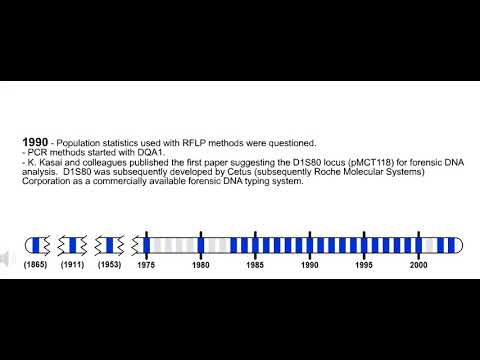
So, here’s the scoop: DNA testing became a thing in the late 1980s. It provided law enforcement with a new tool to analyze biological evidence left at crime scenes, like blood or hair strands. The first major case using DNA evidence was in 1986 when it helped convict the killer of two teenage girls in England. This pretty much set off a firestorm globally.
Fast forward to the early ’90s, and DNA testing began making its way into U.S. courts. In 1992, the Supreme Court case Daubert v. Merrell Dow Pharmaceuticals was key because it laid out guidelines for admitting scientific evidence, including DNA tests. This meant that lawyers had to ensure that DNA showed reliable results before it could be presented in court.
But there were challenges too! Not all labs followed strict protocols then, leading to questions about accuracy and contamination risks. And let’s not forget the public’s concern about privacy and how this technology should be used.
As we moved into the 2000s and on, DNA evidence transformed many cases—especially cold cases that had been unsolved for years. People who thought they’d never find justice suddenly had hope because new technologies allowed for better analysis of old samples.
Today, you might hear about things like CODIS, which is the FBI’s Combined DNA Index System that stores DNA profiles from various crime scenes and offenders. It’s pretty amazing how many cases have been solved thanks to this system!
So yeah, while there are still debates about ethics and how DNA should be used legally—like who has access to these samples—the introduction of DNA testing has undeniably changed lives for many individuals wrongly accused and has helped put guilty parties behind bars.
In summary:
- The late 1980s: Introduction of DNA testing as a tool.
- 1992 Supreme Court Decision: Established guidelines for scientific evidence.
- The rise of CODIS: FBI database helps solve cold cases.
- Current Issues: Ethical debates continue around privacy and misuse.
It’s wild to think how far we’ve come with forensic science! Looks like every case now stands on stronger ground than ever before—thanks to those tiny strands of life’s building blocks!
The History of DNA Testing in the USA: Key Milestones and Developments
The History of DNA Testing in the USA really gives a peek into how science changed the legal game. Imagine relying on just witness statements or hair samples to solve crimes—sounds a bit archaic, right? Well, that was how it used to be before DNA came onto the scene.
In the 1980s, we hit a turning point. A British scientist named Alec Jeffreys developed a technique called DNA fingerprinting. He was able to find differences in people’s DNA, which made it possible to identify individuals with remarkable accuracy. This was huge! In 1987, DNA testing first made its way into an American courtroom during the case of Richard Buckland. He was accused of rape and murder, but DNA evidence helped prove his innocence. That moment marked the birth of modern forensic science in the U.S.
But let’s fast forward a bit. In 1992, things got even better with the establishment of the FBI’s Combined DNA Index System (CODIS). What CODIS does is store and compare DNA profiles from crime scenes and convicted offenders. Think of it as a giant database where law enforcement can solve cases by matching samples they find at crime scenes with profiles already on file. It opened up new pathways for solving cold cases that had been collecting dust for years.
Another critical milestone came in 2000, when Congress passed laws to enhance forensic science use in criminal justice systems across states. The goal was to ensure that law enforcement agencies have access not only to tools like CODIS but also the necessary funding and training for personnel involved in these processes.
And guess what? By 2011, we saw significant changes in how post-conviction testing worked! Several states passed laws allowing inmates to request DNA testing if they believed it could prove their innocence. A famous case was that of Cameron Todd Willingham. He had been convicted based on faulty fire investigation techniques, but advances in DNA testing brought substantial attention to wrongful convictions.
Also worth mentioning is how technology has kept evolving over time. With advancements like next-generation sequencing techniques, we can analyze even smaller quantities of DNA than ever before! Seriously! This means that even older cold cases can get new life thanks to modern science.
In recent years, discussions around ethical concerns have gained traction too—especially about privacy rights and how long law enforcement should keep genetic data on file after resolving cases. Many consider these conversations vital as we navigate this brave new world of genetic information.
It’s amazing when you think about it: from junk science to a rock-solid form of evidence that’s helping free innocent people and put real criminals behind bars, this journey has had some ups and downs along the way but shows no signs of slowing down anytime soon!
So, let’s chat about DNA tests and how they fit into the American legal scene. You know, it’s kind of mind-blowing when you think about it: a tiny sample of your genetic material can help solve crimes or even clear innocent people from serious charges. It’s like something out of a sci-fi movie!
Imagine this: you’re sitting in a courtroom, and there’s a guy on trial for something really serious. The evidence isn’t all that strong, but then bam! A DNA test comes back, and it’s either a total game-changer or just confirms what everyone thought all along. I mean, it’s wild to consider just how much weight this little science project can have.
In the 1980s—when these tests were first becoming popular—it was like someone opened the floodgates for forensic science. It became way easier to link someone to a crime scene or prove innocence if they were wrongly accused. There’s this emotional angle too; for families who’ve lost loved ones or those wrongfully convicted, having DNA evidence come through can be life-altering. Just picture a mother finally finding out what happened to her child after years of wondering.
But here’s where things get complicated. Not all tests are foolproof; they can be messed up if not handled properly, leading to wrongful convictions or the opposite—letting the real baddie walk free! Plus, there are privacy concerns about who gets access to your genetic data and how it’s used. And let’s face it: not everyone trusts science completely, whether due to misunderstandings or biases.
The thing is, while DNA tests are super powerful tools in the justice system—like some sort of superhero weapon—they’re not infallible. They work best when combined with other evidence and sound legal practices. Ideally, it helps create a more just outcome for everyone involved.
So yeah, as we move forward in the legal sphere with these powerful tools at our disposal, we need to keep our eyes wide open about their impact on justice and society as a whole. It’s pretty fascinating stuff!




