
The information provided in this article is intended solely for general informational and educational purposes related to U.S. laws and legal topics. It does not constitute legal advice, legal opinions, or professional legal services, and should not be considered a substitute for consultation with a qualified attorney or other licensed legal professional.
While efforts have been made to ensure the information is accurate and up to date, no guarantees are given—either express or implied—regarding its accuracy, completeness, timeliness, or suitability for any specific legal situation. Laws, regulations, and legal interpretations may change over time. Use of this information is at your own discretion.
It is strongly recommended to consult official sources such as the U.S. Government (USA.gov), United States Courts, or relevant state government and court websites before acting on any information contained on this website or article. Under no circumstances should professional legal advice be ignored or delayed due to content read here.
This content is of a general and informational nature only. It is not intended to replace individualized legal guidance or to establish an attorney-client relationship. The publication of this information does not imply any legal responsibility, guarantee, or obligation on the part of the author or this site.
You know, dealing with death is tough. It’s heavy, and it makes us think about what happens to everything we leave behind. It’s a massive topic, right?
So, let’s chat about probate. Ever heard of it? Basically, it’s the legal process that sorts out an estate after someone passes away. Sounds simple enough, but trust me, it can get a bit complicated.
Imagine your Aunt Kathy kicking the bucket and leaving you her beloved collection of ceramic cats. Lucky you! But then—bam!—you discover it has to go through probate before you can take them home. Yikes!
We’ll break down the ins and outs of probate requirements for estates in the U.S. And I promise to keep it casual and relatable! You with me?
Understanding Probate Law in the United States: A Comprehensive Guide
Probate law in the U.S. is one of those topics that can sound a bit daunting, but don’t sweat it. It’s basically about how your assets are handled after you pass away. And yes, it can be a little complicated, but I’m here to break it down for you.
When someone dies, their estate—basically everything they owned—often needs to go through a legal process called probate. This is where the court steps in to make sure things are handled fairly and according to the law.
Let’s talk about what probate involves. First off, if there’s a will, it needs to be filed with the court. The will outlines how the deceased wanted their stuff divided up. If there’s no will, state laws kick in to determine how everything gets distributed. This is often called “intestate succession.” Each state has its own rules about who gets what.
Now, don’t think that just because there’s a will means things will go super smoothly. The executor of the estate—who’s usually named in the will—has some responsibilities. They have to inventory all assets, pay any debts or taxes owed by the estate, and then distribute the remaining assets according to that will.
One thing people often overlook is the timeframe. Probate isn’t an instant process; it can take months or even years! Factors like how big or complicated the estate is and whether anyone contests the will can really drag things out.
Also important: probate requirements vary by state. That means what might apply in California could be totally different in New York. Some states have simplified processes for smaller estates so they don’t need lengthy court oversight.
And about costs: you should know that probate can come with expenses too! There are court fees, attorney fees (if you hire one), and other costs like appraisal fees for valuing property or assets involved in your estate.
Let me tell you about my neighbor Carl. He was super organized and had everything written down in his will just as he wanted. Unfortunately, after he passed away, there were still disputes among family members over some of his belongings because not everything was clearly outlined or documented well enough to avoid confusion during probate.
So if you want things handled smoothly after you’re gone (and who wouldn’t?), consider keeping your records clean and clear! Think about trusts as well; they may allow your heirs to skip probate altogether!
In summary:
- Probate processes differ by state.
- A valid will must be filed with the court.
- The executor manages all aspects of settling the estate.
- Costs can add up during probate.
- Contesting a will can complicate things significantly.
Getting educated on this stuff isn’t just smart—it really saves heartache later on!
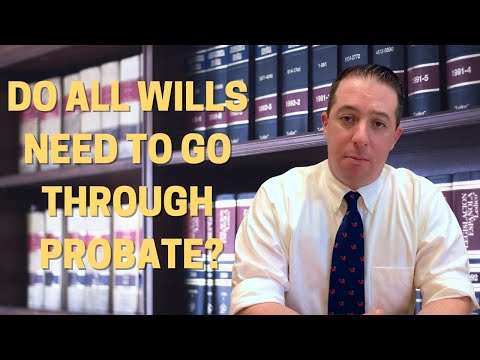
Understanding Probate: Do All Estates Need to Go Through the Process?
Sure thing! Understanding probate is essential when dealing with estates, and it’s not as daunting as it might seem. Let’s break it down so you can grasp whether all estates need to go through the probate process.
Probate is basically a legal process that happens after someone passes away. It involves validating their will (if they have one) and distributing their assets according to that will or, if there isn’t one, according to state law. This process helps ensure that debts are paid and heirs receive their rightful share.
Now, here’s the thing: **not all estates need to go through probate**. It really depends on a few factors:
- Size of the Estate: If an estate is small—say, below a certain value set by state law—it often qualifies for simpler procedures or might be exempt from probate altogether.
- Type of Assets: Some assets don’t even go through probate. For example, if someone has joint ownership with rights of survivorship on real estate or bank accounts, those assets automatically pass to the surviving owner without needing probate.
- Beneficiary Designations: Life insurance policies and retirement accounts typically allow you to name beneficiaries directly. When the policyholder dies, those funds go straight to the designated person without involving probate.
- Titling of Property: If property is held in a trust or titled in certain ways (like community property), it may also avoid going through this lengthy court procedure.
Let’s say your Uncle Joe had a modest home and some savings but didn’t have a will. If he also had a joint account with his daughter Liz and named her as a beneficiary on his life insurance policy, then those assets wouldn’t need to go through probate at all! They’d just transfer directly to Liz.
But what if Uncle Joe had debts? Well, even if an estate avoids probate for some assets, creditors still have certain rights. They can make claims against the estate before distributions are made if there’s enough value involved.
So basically, whether or not an estate goes through probate can get kind of tricky. It’s influenced by state laws and how things are titled or set up before someone passes away. If you’re in this situation or helping someone who is, it’s wise to look into local laws because they can vary quite a bit.
The whole system might feel intimidating at first glance, but understanding what goes where can really help navigate these waters more easily!
Understanding Probate: Do All States Mandate the Process?
So, you’re curious about probate, huh? Well, let’s break it down. Probate is basically a legal process that happens after someone dies. It involves validating their will (if they had one) and settling their estate. The thing is, not all states handle probate in the same way. So, do all states mandate the process? Let’s get into it.
First off, what exactly is probate? When someone dies and leaves behind assets—like houses, bank accounts, or personal belongings—probate is the method to transfer those assets to beneficiaries. This process usually goes through the court system. The court oversees everything to make sure everything’s above board.
Now, here’s where it gets interesting: not every estate needs to go through probate. Each state has its own laws about this. Some states have set specific thresholds for what’s called “small estates.” If an estate falls below a certain value, it might avoid probate altogether.
For instance,
Meanwhile,
But what about when there *is* a will? That’s where it gets kind of complicated. In most states with a will in place, the probate process is almost always required to ensure the wishes of the deceased are honored.
In some cases though—like joint ownership or designated beneficiaries—the transfer can happen outside of probate. For example:
Now let’s talk a bit about the pros and cons of going through probate. On one hand, having this legal oversight can be beneficial because it provides clarity and ensures creditors are paid before any assets are distributed. On the flip side? It can be really time-consuming and costly; fees like attorney costs or court fees add up quickly.
Finally—check your local laws. Make sure you understand how things work in your state since mandates differ significantly across the board!
So just remember: while much of America does typically require probate for larger estates or when there’s no established plan in place by the deceased individual (like a trust), many states offer ways around this for smaller ones.
When someone passes away, it can be a tough time for family and friends. You’re grieving, trying to process everything, and then you find out there’s this whole legal process called probate that needs to happen. Basically, probate is all about settling a deceased person’s estate, which is just a fancy word for their stuff—like money, property, and belongings. It’s not just about who gets what; it’s also about making sure everything is done legally.
So what are the requirements for probate? Well, it all starts with determining whether the deceased had a will. If they did—and it’s valid—then that will usually directs how their estate should be handled. But if there isn’t a will? That’s when things can get messy! States have laws in place that dictate who inherits when there’s no will, which might not align with what you thought or hoped for.
You might also want to consider whether the estate qualifies for a simplified probate process. Some states allow smaller estates to go through a more streamlined procedure. This can really take a load off during an already stressful time because who needs extra complication, right?
A while back, I heard about this family dealing with their grandmother’s estate. She had left behind an old house and some savings but hadn’t updated her will in years. Turns out her wishes were quite different from what the state law decided when she passed away without clear instructions on her assets. So you can imagine how upset everyone was when they found themselves at odds over what belonged to whom—totally unnecessary drama!
Another thing to think about is having an executor for the estate—the person who’s going to carry out the wishes laid out in the will or manage things if there’s no will at all. This role carries significant responsibility because they deal with debts, taxes, and distributions to heirs.
And don’t forget about court fees and other costs that can really pile up during probate! Navigating this legal labyrinth often takes time too—sometimes even months or years—especially if disputes arise among heirs.
At the end of the day, getting familiar with probate requirements makes all this less daunting. When you’re aware of how things work—or at least have some knowledge going into it—you’ll feel more prepared if you ever find yourself needing to deal with an estate after someone passes away.




