
The information provided in this article is intended solely for general informational and educational purposes related to U.S. laws and legal topics. It does not constitute legal advice, legal opinions, or professional legal services, and should not be considered a substitute for consultation with a qualified attorney or other licensed legal professional.
While efforts have been made to ensure the information is accurate and up to date, no guarantees are given—either express or implied—regarding its accuracy, completeness, timeliness, or suitability for any specific legal situation. Laws, regulations, and legal interpretations may change over time. Use of this information is at your own discretion.
It is strongly recommended to consult official sources such as the U.S. Government (USA.gov), United States Courts, or relevant state government and court websites before acting on any information contained on this website or article. Under no circumstances should professional legal advice be ignored or delayed due to content read here.
This content is of a general and informational nature only. It is not intended to replace individualized legal guidance or to establish an attorney-client relationship. The publication of this information does not imply any legal responsibility, guarantee, or obligation on the part of the author or this site.
You know that feeling when you see a flashing blue light in your rearview mirror? Yeah, it’s a bit nerve-racking. But then the officer hands you a citation, and you’re left with way more questions than answers.
What do you do next? How does all this fit into the bigger picture of the legal system? That’s where Douglas County citation lookup comes in.
It might not sound super thrilling, but understanding citations and how to check them can save you some serious headaches down the road. We’ll break it all down so you won’t feel lost in the legal maze.
Grab a seat, and let’s untangle this together!
Step-by-Step Guide to Finding Your Court Date in Douglasville, Georgia
Sure! Here’s a straightforward look at how you can find your court date in Douglasville, Georgia, without any fluff. If you’re scratching your head wondering where to start, I’ve got you covered.
First off, if you’ve received a citation or are involved in a case, knowing when to show up is crucial. Ignoring it? Well, that’s not a great idea. But no worries, finding your court date is usually pretty easy!
Online Citation Lookup
Your first stop should be the Douglas County website. They have an online tool specifically for citation lookups. Just visit their site and look for the “Citation Lookup” section.
Once you’re there:
- You’ll likely need some basic info like your name and maybe your citation number.
- This tool should pull up all sorts of details—like the date and time of your court appearance.
So picture this: You’re sitting there with your laptop or phone, typing in your info, and boom! There it is—your court date flashing on the screen.
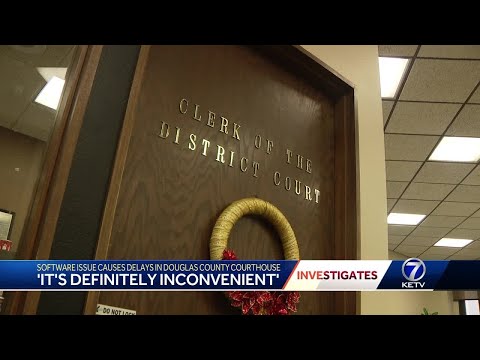
Check with the Clerk’s Office
If tech isn’t really your thing or if you’re not finding what you need online, don’t sweat it! You can always call or visit the Douglas County Clerk of Court’s office in person.
Here’s what to do:
- Get their phone number from the county website.
- A friendly staff member will help you find out when you’ve got to show up.
- If you go in person, bring along any documents related to your case; it just makes things easier.
I remember one time a friend of mine was super anxious about his upcoming court date. He called the clerk’s office, and they walked him through everything on the phone within minutes! Seriously took a load off his mind.
Pay Attention to Mail Notifications
Another thing—if you’re involved in a case, keep an eye on your mailbox. Sometimes courts send out notification letters detailing when and where you need to report.
Make sure to read these carefully because they often contain essential details about:
- The exact court address.
- Your assigned courtroom number.
- Instructions on what to bring (like documents or evidence).
Missing something? It could delay things—so stay sharp!
Check Local Resources
Finally, stay informed about local resources that may provide updates or changes regarding court dates due to unforeseen circumstances like weather issues or public health concerns.
Local news websites might have updates that affect court schedules too!
In summary: Finding your court date in Douglasville isn’t too tough. You can hunt for it online through their citation lookup tool or reach out directly to the Clerk’s Office if needed. Always check for mail notifications as well—they can save you a headache later.
So get going and find that date—you don’t want any surprises waiting for ya at the courthouse!
Understanding the Difference Between Booking Numbers and Case Numbers in Legal Proceedings
Understanding the legal system can feel like a maze sometimes. You hear terms thrown around like “booking numbers” and “case numbers,” and it’s easy to get lost. So, let’s break it down step-by-step, especially in the context of something like Douglas County.
First off, what’s a booking number? Think of this as your special ID for a person who has been arrested. When someone gets arrested, they are taken to jail, booked, and that process generates a booking number. This number is unique to that specific incident and helps keep track of all the details related to that arrest.
Now, on the flip side, we have case numbers. A case number is linked to legal proceedings that follow an arrest. Once charges are filed in court, along with all the related paperwork, that’s when you get your case number. It’s used to identify a specific court case as it moves through the system—think of it like a tracking number for your package at the post office.
To make it clearer:
- Booking Number: Assigned during the arrest process; used by law enforcement.
- Case Number: Assigned once charges are filed; used in legal proceedings.
Imagine this scenario: Let’s say your friend John gets pulled over for not having his lights on. The police arrest him for DUI. That night in jail, he gets booked and receives a booking number—let’s call it 123456. Later on, John goes to court where he faces official charges, and that kicks off with a whole new set of paperwork. His lawyer files everything needed for court, which then generates another identifier called a case number—maybe 987654.
So why does all this matter? Well, if you’re looking up information about someone through something like Douglas County’s citation lookup system, you’ll need both numbers at some point. The booking number helps you see initial arrest details—like when and where it happened—while the case number will help you track what happens next in court.
Just remember: these numbers serve different purposes but are crucial for organizing the chaos of legal proceedings! You follow me? If ever you’re looking up cases or citations online (hello Douglas County!) or dealing with any legal stuff yourself—even just as an observer—it’s super useful to understand how these identifiers work together in the big picture!
Comprehensive Guide to Douglas County, GA Court Case Search: Access Public Records and Legal Information
Sure, let’s break down how you can conduct a court case search in Douglas County, GA, and what you need to know about accessing public records and legal information. You know, navigating local court systems can be a bit confusing, but it’s really important to get the hang of it.
Accessing Court Records
Douglas County has a website where you can access court records online. This is super handy because you don’t always have to physically go down to the courthouse. You simply visit their official site. Once you’re there, look for a section that says something like “Court Records” or “Public Records.”
When searching for a specific case, you might need certain details. Stuff like the **case number**, names of individuals involved, or even the type of case—like civil or criminal—can help narrow things down.
Douglas County Citation Lookup
If you’re looking for citations specifically—perhaps traffic violations—you’ll find that info on their site too! It’s usually categorized separately for easier access. Just enter the driver’s name or citation number in the designated search field.
You’ll also find additional information here: like fines due and deadlines for payments or court appearances. This is crucial if you’re trying to avoid further penalties.
Types of Cases
Douglas County deals with various types of cases. These can range from traffic violations and family law matters to criminal offenses and civil lawsuits. Each type has its own process and may be handled in different courts within the county.
For example, minor traffic offenses might go to **State Court**, while more serious crimes could land in **Superior Court**. Knowing which court handles what can save you time when you’re digging through records.
Understanding Public Access Laws
In Georgia, state laws dictate that most court records are public unless sealed by a judge. This means you have the right to access these documents. However, sensitive information—like social security numbers or juvenile records—often gets redacted for privacy reasons.
Email and Call Options
If you’re stuck or couldn’t find what you’re looking for online, don’t hesitate to reach out directly! Douglas County courts often have contact info listed on their website. A quick call or email can clarify your questions about accessing certain documents.
Remember though: clerks are usually busy with many inquiries, so give them some time to respond!
Your Rights When Searching
Whenever you’re searching through public records, keep in mind that you have rights under U.S. law regarding privacy and access to information. If there’s any denial of access that feels unjustified—like being told you can’t view a record—you may want to ask why.
In many cases, simply asking questions about how those laws work will guide your search more effectively.
So next time you feel like diving into Douglas County’s legal waters—or any county’s legal framework for that matter—keep these pointers in mind! It’s all about knowing where to look and what rights you’ve got when it comes to accessing those records!
So, let’s chat about Douglas County citation lookup and how it fits into the grand scheme of the American legal system. You know, it’s one of those things that can sound a bit overwhelming at first. You hear “citation lookup” and you might think, “Ugh, another legal term.” But it’s not that complicated.
A citation in this context basically refers to a ticket or notice for a violation. It could be anything from speeding to maybe some ordinance you didn’t even know existed. And Douglas County, like many other counties in the U.S., has set up a way for folks to look these things up online. This is super handy because life gets busy. You might forget if you paid that fine or even what it was for—trust me, I’ve been there!
Now, this entire process kind of shows how our legal system aims to be more accessible to everyone. Imagine you’re just trying to navigate your daily life when BAM! You get pulled over or cited for something minor. It’s easy to feel lost in the mix of legal jargon and procedures. But with online tools like citation lookup, people can easily check their records without having to trek down to some courthouse.
Here’s where it gets even more relatable: picture someone who just got their first car and is super excited about driving but then gets slapped with a speeding ticket because they were too pumped about hitting the road. That sting of realizing they have to deal with this headache? Ugh! But instead of anxiety over what happens next, they pop onto the Douglas County website to see what they need to pay off or dispute—their day just got a little easier.
The thing is, while these tools are great for convenience, they also remind us that there are rules we need to follow. It’s like learning boundaries when you’re a kid; it sets expectations and keeps things running smoothly in society. Understanding your legal obligations is part of being an informed citizen.
In short, navigating through citations and using resources like Douglas County’s lookup isn’t just about fines or penalties; it’s about being engaged with your community’s laws and understanding your place within them. And that connection—between citizens and their local government—is what helps keep everything ticking along smoothly in our democracy! So next time you hear someone mention citation lookups, remember there’s more behind those clicks than just numbers; it’s an integral piece of our shared civic responsibility.




