
The information provided in this article is intended solely for general informational and educational purposes related to U.S. laws and legal topics. It does not constitute legal advice, legal opinions, or professional legal services, and should not be considered a substitute for consultation with a qualified attorney or other licensed legal professional.
While efforts have been made to ensure the information is accurate and up to date, no guarantees are given—either express or implied—regarding its accuracy, completeness, timeliness, or suitability for any specific legal situation. Laws, regulations, and legal interpretations may change over time. Use of this information is at your own discretion.
It is strongly recommended to consult official sources such as the U.S. Government (USA.gov), United States Courts, or relevant state government and court websites before acting on any information contained on this website or article. Under no circumstances should professional legal advice be ignored or delayed due to content read here.
This content is of a general and informational nature only. It is not intended to replace individualized legal guidance or to establish an attorney-client relationship. The publication of this information does not imply any legal responsibility, guarantee, or obligation on the part of the author or this site.
You know that feeling when the government wants to take your property? It’s like, whoa, hold on a second! That’s where eminent domain comes into play.
Basically, it gives the government the power to seize private land for public use. Sounds kind of intense, right? Well, there’s a whole legal process behind it.
And this is where juries step in. They play a key role in deciding how much your land is worth when it gets taken. Crazy to think about!
So, let’s dig into how this all works and what you should know about your rights and the jury’s job in this wild legal world. Sounds good?
The Importance of Juries in the U.S. Justice System: Understanding Their Role and Responsibilities
The Importance of Juries in the U.S. Justice System
Juries play a crucial role in the American legal system. They’re not just a random group of people thrown together; they represent the community’s voice and values. When it comes to matters like *eminent domain*, juries step in to ensure fairness. And let me tell you, their role is super important for maintaining justice.
What is Eminent Domain?
So, first off, what’s eminent domain? In simple terms, it’s the government’s power to take private property for public use. Think roads, schools, parks—you know, things that benefit everyone. But here’s the catch: when the government takes your property, they have to compensate you fairly.
The Jury’s Impact on Eminent Domain Cases
Now, this is where juries come into play. When there’s a dispute over compensation amounts—like what your property is worth—juries are called upon to decide if the offer from the government is fair or not. This ensures that you won’t just get short-changed because it’s not like they can lowball you without checks and balances.
Imagine this: suppose a family has owned a small plot of land for generations—a place filled with memories and stories. The government could swoop in and say their property is only worth a fraction of what they think it is. Here enters the jury! They help determine whether that valuation stands up or if it should be adjusted.
Responsibilities of Juries
Juries are entrusted with some hefty responsibilities:
It’s more than just sitting there; jurors have to engage actively with facts and details. They must weigh what they hear carefully and make decisions that reflect justice based on evidence rather than emotion or personal bias.
Civic Duty and Community Participation
Being part of a jury isn’t just about legal obligations; it’s also about civic duty! You’re taking part in something bigger than yourself—being an integral cog in democracy’s machine. Participating means shaping how laws affect people right there in your community.
And here’s something that might surprise you: many Americans have never experienced jury duty! For those who have, it can be eye-opening—seeing firsthand how justice works (or sometimes doesn’t work). It can feel like being on stage during a critical performance where everyone plays their role for justice.
The Check on Government Power
One last thing: juries serve as an essential check on government power. By having ordinary folks decide whether compensation is fair helps prevent potential abuses of power by authorities looking to grab land without proper compensation.
In America, we like to think every voice matters—and that’s exactly what juries embody! So when you’re asked to serve on one someday, remember how vital your role could be in upholding fairness and justice within your community’s framework. Seriously—I know it seems tedious at times, but it’s really about making sure everyone gets treated fairly under the law!
Understanding Supreme Court Rulings on Eminent Domain: Key Insights and Implications
Eminent domain is one of those legal terms that sounds super intimidating, but really, it just deals with the government’s right to take private property for public use. You know, like when they’re building a new highway or school? But, there’s a catch: they gotta pay you fair compensation for your property. That’s where things can get tricky.
The Supreme Court’s Role
The U.S. Supreme Court has had its say on eminent domain quite a few times. These decisions shape how the law gets applied in real life. One landmark case was *Kelo v. City of New London* in 2005. The city wanted to use land for a development project that would boost the local economy, but some homeowners weren’t too happy about losing their homes. The Court ruled that it was okay for the city to take these homes because it was for public benefit—like creating jobs and generating tax revenue.
You might be thinking, “Wait a second! Can they really do that?” Yeah, kind of! The ruling basically said that economic development can be considered public use under the Fifth Amendment. More than just freeways and schools, it opened up a whole new world where property could be taken for something like shopping centers or parks if local governments think it’ll help the community.
Implications of the Rulings
So what does this mean for you? Well, there are some key implications:
- Broader Interpretation: Governments have more leeway now to decide what “public use” means.
- Potential Abuse: Critics argue this risks abuse by local governments who might prioritize developers over homeowners.
- Public Reaction: There’s been pushback from citizens and advocacy groups who want stronger protections against eminent domain abuses.
- Legislation Changes: Some states have responded by passing laws limiting eminent domain powers or defining “public use” more tightly.
It gets even more interesting when you think about how juries fit into this whole picture. Usually, when someone challenges an eminent domain action, they’ll argue about how much their property is worth—what’s called “just compensation.” Juries can play a significant role in deciding this because they’re often tasked with determining what fair payment looks like.
The Jury’s Role
Juries are supposed to be unbiased and bring community viewpoints into play when assessing value. They look at factors like location, land usage, and market trends; not just what an appraiser says it’s worth on paper. Imagine being part of a jury trying to figure out how much someone’s family home is worth after hearing all the emotional stories attached to it—that’s heavy stuff!
It’s not just numbers on a page; these homes often come with memories and history that can’t be measured easily in dollars alone.
In short, understanding eminent domain isn’t just about knowing what the law says; it’s also about recognizing its real-world impact on people’s lives—and seeing how vital juries can be in those situations keeps things grounded and human amidst all the legal jargon!
Understanding Judicial Authority: Can a Judge Overrule a Jury in the United States?
When it comes to the relationship between judges and juries in the U.S. court system, things can get a bit murky. You might be wondering—can a judge actually overrule a jury’s decision? Well, the short answer is, yes, in some situations judges can do that. Let’s dig into it.
So, first off, let’s clarify what we mean by judicial authority. Essentially, judges have the power to preside over court proceedings and ensure that laws are applied appropriately. They also have discretion in some matters. Juries, on the other hand, are made up of everyday people deciding facts based on evidence and testimony.
Now, when it comes to jury verdicts, there are instances where a judge might step in:
- Judgment Notwithstanding the Verdict (JNOV): If a judge believes that no reasonable jury could have reached the conclusion they did based on the evidence presented, they can overturn that verdict.
- Sentencing Discretion: In criminal cases, even if a jury convicts someone, judges often have the final say on sentencing.
- Mistrials: If something goes wrong during deliberations or there’s misconduct (like jurors discussing outside influences), a judge might declare a mistrial.
Take eminent domain as an example. This is when the government takes private property for public use but must compensate property owners fairly. A jury may determine what “fair compensation” is based on their view of evidence—like property value or sentimental worth. However:
- If you feel your award was too low or unfairly decided by the jury—a judge could potentially adjust that amount under certain conditions.
- A judge might also decide whether there’s a legitimate public use for taking that land at all after hearing arguments from both sides.
Think about this: Imagine you’re sitting in jury duty and you feel strongly about fair compensation for someone’s treasured family farm being taken away. You end up awarding more than what the government offered because you believe it’s worth more emotionally and historically. However, if the judge thinks there wasn’t enough evidence supporting your award—boom! They can lower it.
It gets trickier with civil rights cases or complex legal issues too! Often judges will look at past case law to ensure their decisions reflect established standards.
So while juries play an important role in determining facts and opinions from an ordinary citizen’s perspective—and it feels powerful to make those calls—the judges ultimately hold significant authority to oversee those verdicts and ensure fairness under law.
In sum: yes, a judge can overrule a jury’s decision if legal grounds exist! It shows that while juries bring valuable insights from everyday folks like us into courtrooms—judges guide those decisions within our legal framework.
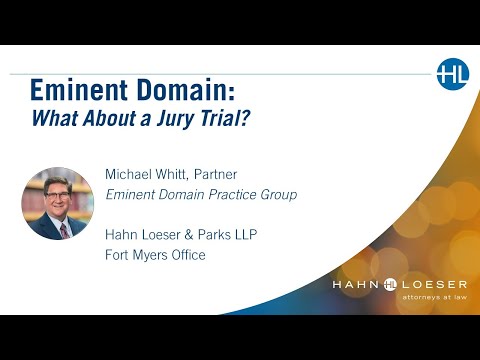
Eminent domain, huh? It’s one of those legal concepts that can make your head spin. Basically, it’s the government’s right to take private property for public use, as long as they pay you fair compensation. Seems straightforward enough, right? But when you dig a little deeper, it gets pretty complicated.
Picture this: imagine you’ve spent years building your dream home. You’ve poured your heart into every detail—the garden out front, the cozy living room where family gathers for holidays. Then one day, you get a notice from the city saying they need your land for a new highway. Just like that, everything feels threatened. It’s tough to think about losing what’s yours.
Now enter juries. They play a crucial role in these cases because when there are disputes over what “fair compensation” actually means, it’s up to regular folks like you and me to decide. Juries assess whether the offered price for the property holds up or if the government is trying to lowball homeowners who feel powerless in this situation.
It’s kind of wild when you think about it. You’ve got everyday citizens weighing in on something so significant! They’re not just deciding money; they’re impacting lives and futures. Maybe that sounds heavy, but jurors often take their responsibilities seriously and do their homework.
And let’s be real—jurors could have their own biases or experiences coloring their decisions. You might have someone who once faced a similar situation feeling empathy for the homeowner or another who thinks infrastructure is more important than personal property rights.
The balance is delicate here, and you can totally feel the weight of that duty when people sit together in a courtroom trying to come to an agreement. So while eminent domain might sound simple at first glance, add juries into the mix and suddenly we’re knee-deep in complex emotions and moral considerations.
It reminds us how important our rights are—and how our communities navigate those tricky waters between public good and individual loss. At its core, eminent domain isn’t just about buildings or land; it taps into human stories and experiences that can leave lifelong impressions on everyone involved.




