
The information provided in this article is intended solely for general informational and educational purposes related to U.S. laws and legal topics. It does not constitute legal advice, legal opinions, or professional legal services, and should not be considered a substitute for consultation with a qualified attorney or other licensed legal professional.
While efforts have been made to ensure the information is accurate and up to date, no guarantees are given—either express or implied—regarding its accuracy, completeness, timeliness, or suitability for any specific legal situation. Laws, regulations, and legal interpretations may change over time. Use of this information is at your own discretion.
It is strongly recommended to consult official sources such as the U.S. Government (USA.gov), United States Courts, or relevant state government and court websites before acting on any information contained on this website or article. Under no circumstances should professional legal advice be ignored or delayed due to content read here.
This content is of a general and informational nature only. It is not intended to replace individualized legal guidance or to establish an attorney-client relationship. The publication of this information does not imply any legal responsibility, guarantee, or obligation on the part of the author or this site.
So, ever had one of those moments where you just can’t believe what you’re hearing in court? Like, seriously, how did that even happen?
The thing is, emotions can run wild during lawsuits. People get hurt and sometimes the drama unfolds in front of a jury. It’s like a real-life soap opera, but with actual consequences.
And that’s where the U.S. jury system comes in. You’ve got regular folks trying to make sense of it all, weighing hearts against facts. It’s messy, emotional, and honestly a bit confusing.
But don’t worry! We’ll break it down together. You’ll see how these emotional lawsuits play out and what juries really do when the stakes are high. Ready to jump in? Let’s go!
Winning an Emotional Distress Case: Key Challenges and Considerations Explained
Winning an emotional distress case can be pretty tricky. The thing is, you’re not just proving that someone hurt your feelings. You’re actually trying to show that their actions caused real, significant harm to your mental state. Let’s break it down.
Legal Standard for Emotional Distress
To win these cases, you generally have to meet certain legal standards. There are two main types of emotional distress claims: intentional infliction of emotional distress and negligent infliction of emotional distress.
For intentional infliction, it has to be shown that the person acted in a way that was outrageous or extreme, and that they intended to cause emotional suffering or knew it was likely to occur. Think about a situation where someone publicly humiliates you in a brutal manner—like spreading false rumors at work. That might fit the bill.
On the flip side, for negligent infliction, it usually involves showing that the person behaved in a way that was careless and led to your distress. Picture this: if someone drives recklessly and causes a car accident where you witness something traumatic, you might feel justified in claiming emotional distress.
Proving Your Case
Now comes the challenging part: proving your case. You can’t just walk into court and say, “I feel sad.” Nope! You have to provide evidence. This could include:
- Medical Records: Having therapy notes or doctor’s evaluations can really help demonstrate how deep the impact has been.
- Witness Testimony: If friends or family saw how much you changed after the incident, their testimony could add weight.
- Your Own Testimony: Explaining your feelings in court is also crucial. How has this affected your daily life?
Here’s an example: imagine someone has been harassed at their job for months; they seek therapy because they can’t handle the stress anymore. Their therapist documents this struggle—this could be a game changer.
The Challenge of Subjectivity
One major hurdle is how subjective emotions can be! What affects one person deeply might not faze another at all; this makes it tough for juries who often have their own biases about what constitutes “reasonable” suffering.
Jurors may think things like, “I would’ve handled that better,” which can skew their judgment about how valid your feelings are—just super frustrating!
Total Damages Can Be Hard to Calculate
Another challenge is calculating damages. Unlike physical injuries where costs are easier to figure out (like medical bills), emotional distress doesn’t come with clear invoices attached.
You might hear terms like “pain and suffering” tossed around; these represent compensation for mental anguish but evaluating them isn’t straightforward. Juries can struggle with deciding what’s fair.
The Role of Expert Witnesses
This is where expert witnesses come in handy! Having a psychologist or psychiatrist testify about your condition helps solidify claims since they’ll explain how events led to psychological issues—so yeah, bringing them along makes sense if possible!
The road isn’t easy when pursuing emotional distress cases through jury trials but knowing these challenges beforehand helps prepare you mentally and strategically if you’re ever in such a position!
Understanding Typical Payouts for Emotional Distress Claims: A Comprehensive Guide
So, let’s talk about emotional distress claims. This isn’t just legal jargon; it’s a real thing that affects people’s lives. When someone goes through something really tough, like a car accident or harassment, they might want to seek compensation for the pain and suffering they went through. You know how sometimes you feel like your emotions have been trampled on? That’s where this comes in.
Emotional distress is a kind of pain you can’t always see but definitely feel. It might be anxiety, depression, or just a sense of hopelessness stemming from a harmful situation. The law recognizes this emotional pain in certain cases, allowing folks to make claims for damages.
Now, you’re probably wondering about the payouts. Typically, these payouts can really vary depending on the case. Here’s the scoop:
- Severity of Distress: If you’ve been through intense emotional suffering that affects your daily life, chances are you’ll see higher potential payouts.
- Documentation: Having solid evidence like therapy records or medical diagnoses can boost your claim significantly.
- Type of Case: Different situations lead to different outcomes. For instance, personal injury lawsuits often yield higher settlements than workplace issues.
- Past Cases as References: Courts look at similar cases when deciding on payouts. Some awards can be in the thousands while others hit six figures!
Let me share an example from a friend who went through some tough times after being involved in a nasty accident that wasn’t their fault. They were dealing with anxiety and had to attend therapy sessions regularly. The jury awarded them over $75,000 because they had documentation of their treatment and the impact it had on their life.
It’s important to note that not all emotional distress claims are created equal. There are generally two types:
- Intentional Infliction of Emotional Distress (IIED):This occurs when someone intentionally acts in a way that causes severe emotional trauma.
- Nebulous Claims:If you’re not sure whether your distress meets the bar for a lawsuit, these could involve things like negligence leading to stress but lacking intent.
In some cases—you know—the ones where there was gross negligence or intentional harm—payouts can skyrocket into hundreds of thousands or even millions! But not every claim will get those big numbers; it really comes down to evidence and how well the case is argued.
The role of a jury is also crucial here! A jury’s perception can sway what amount they think is fair based on what they’ve heard during the trial. Their duty is to weigh all aspects: evidence presented, testimonies from both sides, and even personal experiences.
The bottom line? Emotional distress claims are complex but very real! If you think you’ve suffered enough emotionally due to someone else’s actions, seeking legal advice could help clarify your rights and potential payouts.
Feeling confused yet? Don’t worry; you’re definitely not alone in this! Just remember: if you’re ever thinking about pursuing an emotional distress claim, gather as much supporting information as possible and be prepared for whatever comes next in court!
Understanding Jury Trials: Do Lawsuits Go in Front of a Jury?
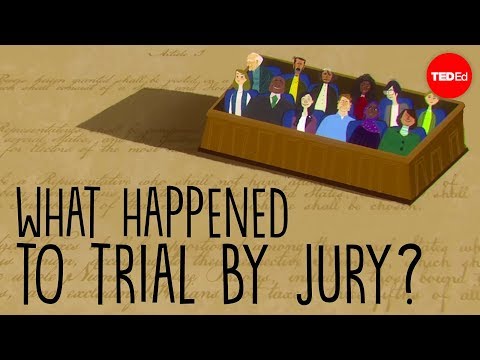
Jury trials can feel a bit like something out of a movie, right? Picture a tense courtroom, the jury sitting there listening intently, everyone holding their breath as the verdict gets read. It’s dramatic stuff! But do all lawsuits actually go in front of a jury? Well, let’s break it down.
First off, not every case makes it to a jury. Some lawsuits get resolved before ever getting to that stage. In fact, many cases are settled out of court. You know how sometimes friends just hash things out over coffee instead of fighting it out? Yeah, that happens with lawsuits too—parties might agree on terms and move on.
Now, when a lawsuit does go to trial, you have to consider what type of case it is. Generally speaking, civil cases can be heard by juries, while criminal cases almost always involve one. So if you’re talking about disputes over contracts or personal injuries—like that time your neighbor’s tree fell on your car—those often end up before a jury.
But here’s where it gets tricky: in civil cases, the parties involved can decide whether they want a jury or not. This is known as the right to jury trial. If both sides agree to go without one—maybe thinking they can just present their arguments straight to the judge—they might waive that right.
And then we have those emotional lawsuits. Think about situations involving personal injury or defamation; these are filled with feelings and narratives that really pull at your heartstrings. A jury can be crucial in these cases because they’re humans hearing real stories from real people. The idea is that ordinary citizens can relate better to emotional appeals than a judge might. You follow me?
Let’s say someone is suing for damages after an accident caused by another driver’s negligence. Here, the emotional aspect often comes into play: people sharing how their lives changed post-accident adds weight to the case when presented before peers instead of just an authority figure.
But not everything’s so clear-cut when you get into more complex legal issues like business disputes or patent cases; these often rely heavily on technical details and laws. In those situations, judges might handle things since they have specialized knowledge.
So what’s the takeaway here? Not every lawsuit gets its chance at the dramatic flair of a jury trial! The choice boils down to the type of case and whether both parties think having jurors may work in their favor or maybe not at all.
In summary:
- Not all lawsuits go before juries.
- Civil trials usually allow for juries.
- The parties involved can choose whether they want one.
- Emotional aspects make juries impactful in certain cases.
- Complex issues sometimes lead parties away from juries.
So yeah, next time you watch legal dramas on TV, remember there’s so much more happening behind-the-scenes than what meets the eye!
You know, when we think about lawsuits, we usually picture big companies squaring off against individuals or maybe some dramatic courtroom scenes. But what really gets interesting are those emotional lawsuits—cases that tug at your heartstrings and make you rethink what justice really means.
Picture this: a family loses a loved one due to someone’s reckless behavior. It’s not just about the money; it’s about grief, anger, and seeking closure. So, they decide to sue for wrongful death. This is where the jury comes into play. You see, juries aren’t just a bunch of people who sit in a box for days on end. They’re your neighbors, your friends—everyday folks trying to make sense of something that feels deeply unfair.
When it comes to emotional lawsuits, juries have this huge responsibility on their shoulders. They have to sift through evidence while also trying to feel the weight of someone’s pain. The thing is, emotions can be a double-edged sword in the courtroom. On one hand, they humanize cases and make jurors connect with the plaintiffs’ stories. But on the other hand, you run the risk of feelings clouding judgment or swaying decisions based more on sympathy than facts.
Take an example from real life: there was this heartbreaking case where a couple lost their child in an accident caused by a large corporation’s negligence. The jury listened not just to testimonies but felt that raw sorrow radiate through the courtroom. Their decision wasn’t simply based on numbers or legal precedents; it was influenced by how profoundly impacted these parents were by their loss.
This blending of emotions with legal proceedings is pretty unique in America’s jury system—it’s like mixing oil and water sometimes! Jurors often find themselves wrestling between empathy and law, which can lead to some complicated situations.
But here’s something cool: jurors actually want to do right by people! They want justice served in ways that matter beyond just money—like making sure companies change unsafe practices or simply acknowledging someone’s pain. That sense of responsibility can lead them down unexpected paths as they deliberate.
So yeah, emotional lawsuits bring out so many layers of what it means to be human in legal settings. And while our justice system aims for objectivity and fairness—because let’s be honest, that’s super important—the heart behind those cases shows us how intertwined our lives really are with law and morality. It makes you appreciate the whole jury concept even more when you realize they’re navigating not just facts but real human experiences every time they give verdicts.




