
The information provided in this article is intended solely for general informational and educational purposes related to U.S. laws and legal topics. It does not constitute legal advice, legal opinions, or professional legal services, and should not be considered a substitute for consultation with a qualified attorney or other licensed legal professional.
While efforts have been made to ensure the information is accurate and up to date, no guarantees are given—either express or implied—regarding its accuracy, completeness, timeliness, or suitability for any specific legal situation. Laws, regulations, and legal interpretations may change over time. Use of this information is at your own discretion.
It is strongly recommended to consult official sources such as the U.S. Government (USA.gov), United States Courts, or relevant state government and court websites before acting on any information contained on this website or article. Under no circumstances should professional legal advice be ignored or delayed due to content read here.
This content is of a general and informational nature only. It is not intended to replace individualized legal guidance or to establish an attorney-client relationship. The publication of this information does not imply any legal responsibility, guarantee, or obligation on the part of the author or this site.
So, you’re starting a new job, huh? Exciting times ahead! But wait—before you sign that employment agreement, let’s hit pause for a sec.
You might think it’s just some boring paperwork, but trust me, it actually matters more than you think. Seriously! It’s like the rules of the game you’re about to play.
Suddenly, all those fancy terms and legal mumbo jumbo can get super confusing. And who wants to risk getting into a bind because they didn’t understand something? You know what I mean?
In this little chat about employment agreements in our legal system, I’ll break things down for you. No fluff or jargon—just the real deal. Sound good? Let’s dive in!
Understanding the Legality of Employment Contracts in the U.S.: Key Insights and Considerations
Employment contracts in the U.S. can feel pretty complex, but they’re really just agreements between you and your employer. The thing is, every state has its own rules, so that’s what makes this topic a bit tricky. Let’s break it down and look at some key insights and considerations.
At-Will Employment is the default rule in most states. This basically means your employer can fire you anytime for any reason, as long as it’s not illegal—like discrimination or retaliation for whistleblowing. You can also quit without any issue. But here’s where contracts come into play.
You might sign an employment contract, which changes the game a bit. This contract usually outlines things like job responsibilities, payment details, and duration of employment. If you sign one, both you and your employer have to follow what that document says, which adds a layer of protection for both sides.
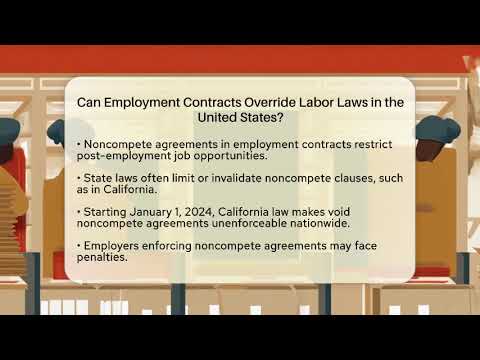
- Non-Compete Clauses: Some contracts include non-compete clauses, meaning you can’t work for a competitor for a certain time after leaving the company. These rules can be pretty restrictive depending on the state.
- Confidentiality Agreements: These protect sensitive information about your company. Breaking one can lead to serious legal issues.
- Breach of Contract: If either party doesn’t stick to the agreement, it could lead to legal disputes. Courts typically look at what was agreed upon in writing.
Let me tell you about my friend Sarah who once accepted a job that required her to sign a non-compete clause she didn’t fully understand at first. She ended up having trouble finding work in her field after she left that job because of it! So yeah, always read the fine print before signing anything.
Also important is consideration, which is a fancy word for something of value being exchanged in the contract. You get paid for your work—that’s yours! The employer gets your skills and time—that’s theirs! If there’s no consideration, then technically there isn’t an enforceable contract.
Sometimes employers try to include things like “at-will” statements even in contracts—this means they still have the right to fire you at any time without cause. That doesn’t vibe well with an employment agreement! Be sure everything lines up nicely if you’re looking at one.
When it comes to disputes related to employment agreements, many employers want you to go through arbitration instead of court if things go south—which basically means a private mediator decides instead of a judge or jury. It’s quicker but may limit some legal rights; think carefully if this is in your contract!
Understanding these elements helps navigate through what might seem like murky waters when dealing with employment contracts in the U.S.. Knowing your rights and responsibilities sets you up better when starting or leaving a job relationship!
Navigating employment agreements in the American legal system can feel like trying to find your way through a maze, and honestly, it’s no picnic. You might think of these agreements as just a boring formality, but they actually carry a ton of weight. When you sign on the dotted line, you’re entering into a contract that lays out your rights and responsibilities at work. And if things go sideways? Well, those little clauses can become super important.
Let’s say you land a job that seems perfect—the salary is great, and the vibes are right. But then you skim through the employment agreement and notice some fine print about non-compete clauses. Yikes! You discover that if things don’t work out and you want to jump ship to a competitor, there are restrictions that could really limit your options. It’s like getting locked into a relationship without knowing it!
And here’s an interesting tidbit: many people don’t fully realize how critical those terms are until they hit a rough patch. A friend of mine once found herself in hot water when her employer decided to let her go after medical leave; she hadn’t thought twice about how her employment agreement protected her rights during such times. So she turned to it for clarity only to find out too late what kind of leverage she really had—or didn’t have.
The thing is, every job has its own set of rules—the industry standard varies from tech to healthcare or creative roles. So what works in one field might not fly in another. It’s always smart to read more than just the salary section! Understanding things like severance packages or dispute resolution can save you headaches down the road.
So yeah, if you’re job hunting or even considering signing something new at your current gig, take a moment to dig into that paperwork. Ask questions if something doesn’t sit right with ya—it’s totally okay! Navigating through all this might not be glamorous, but knowing your rights makes all the difference when it comes time to protect yourself at work.




