
The information provided in this article is intended solely for general informational and educational purposes related to U.S. laws and legal topics. It does not constitute legal advice, legal opinions, or professional legal services, and should not be considered a substitute for consultation with a qualified attorney or other licensed legal professional.
While efforts have been made to ensure the information is accurate and up to date, no guarantees are given—either express or implied—regarding its accuracy, completeness, timeliness, or suitability for any specific legal situation. Laws, regulations, and legal interpretations may change over time. Use of this information is at your own discretion.
It is strongly recommended to consult official sources such as the U.S. Government (USA.gov), United States Courts, or relevant state government and court websites before acting on any information contained on this website or article. Under no circumstances should professional legal advice be ignored or delayed due to content read here.
This content is of a general and informational nature only. It is not intended to replace individualized legal guidance or to establish an attorney-client relationship. The publication of this information does not imply any legal responsibility, guarantee, or obligation on the part of the author or this site.
Alright, let’s chat about something that’s super important—LGBT employment discrimination. You know, it’s 2023, and yet, this stuff still happens. Crazy, right?
Imagine working your tail off at a job, only to be treated differently because of who you love or how you identify. It feels unfair.
Juries play a key role in these cases. They’re the ones who hear the stories and decide what’s fair. But what do they really think about these issues?
Let’s dig into those perspectives. You might be surprised by what jurors consider when they’re faced with these tough situations.
Understanding the Challenges of Winning Discrimination Cases: Key Factors and Insights
Discrimination cases, especially in the realm of LGBT employment, can be pretty tough to win. You’d think, hey, it’s 2023, and we’ve made a lot of progress. But the realities in court can be quite different. Let’s break this down into some important factors you should know.
1. Jury Bias
One big challenge is jury bias. Sometimes jurors hold personal beliefs that affect their judgment. When it comes to LGBT cases, many folks might not fully understand the issues at stake or might even have prejudices that cloud their decisions. You can imagine a scenario where a juror thinks being gay is a choice and not something people are born with—this kind of mindset can seriously skew how they view the evidence.
2. Burden of Proof
Winning these cases often requires proving that discrimination actually occurred, which isn’t always easy. The law typically says you need to show that your sexual orientation was a key factor in your employer’s decision to fire or not hire you. Proving motive can feel like hunting for needles in haystacks sometimes! Imagine trying to convince someone that your boss didn’t like you because you were gay when there are no explicit comments or documents supporting that claim.
3. Lack of Evidence
You might also face issues with lack of evidence. Discrimination isn’t usually done openly; employers generally don’t keep records saying they fired someone for being LGBT! A disheartening anecdote comes from one plaintiff who had strong claims but only circumstantial evidence—like coworkers making snide comments behind closed doors—it didn’t hold up well in court.
4. Legal Precedents
Legal precedents also come into play here. Courts follow previous decisions made in similar cases, which means if there hasn’t been a strong ruling favoring LGBT workers, future cases may suffer as a result! For instance, if past courts dismissed claims due to “lacking proof,” it sets a really tough standard moving forward.
5. Emotional Toll
Beyond all the legal challenges is the emotional toll on plaintiffs themselves. Often these individuals are sharing deeply personal experiences—from coming out stories to workplaces where they faced harassment or discrimination—and reliving those moments can be brutal! It’s not just about winning; it’s about confronting trauma again and again.
In short, while we’ve seen progress over time regarding rights for LGBT individuals in employment settings, winning discrimination cases isn’t straightforward at all! The struggles go beyond just what happens inside the courtroom; they ripple through society and influence how jurors perceive these serious matters. And since each case is unique with its own set of complexities, it’s essential to approach them with a keen understanding of these challenges if you’re ever involved in one.
Key Supreme Court Ruling on Employment Discrimination Against LGBT Individuals: A Landmark Decision Explained
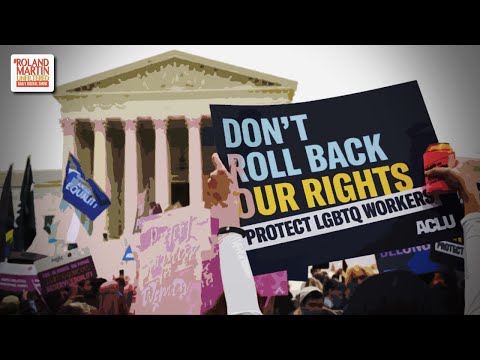
The U.S. Supreme Court made a huge splash in June 2020 with a ruling that changed the game for LGBT workers. Basically, this landmark decision said you can’t be fired just because of your sexual orientation or gender identity. Now, that might seem like a no-brainer to many, but it wasn’t always the case.
So here’s the deal. The ruling came from three cases combined into one:
- Bostock v. Clayton County: Here, Gerald Bostock was fired after joining a gay recreational softball league.
- Altitude Express v. Zarda: Donald Zarda was let go from his job as a skydiving instructor after revealing he was gay.
- R.G. & G.R. Harris Funeral Homes v. Equal Employment Opportunity Commission: A transgender woman named Aimee Stephens was fired after she transitioned.
These cases boiled down to whether federal law protects people from being fired due to their sexual orientation or gender identity under Title VII of the Civil Rights Act of 1964, which prohibits employment discrimination.
The Supreme Court ruled **6-3** in favor of protecting LGBT workers by saying: if you fire someone for being part of the LGBT community, you’re discriminating against them based on sex—plain and simple!
This decision is significant because it means that across the nation, you can’t discriminate against an employee just for being who they are or who they love. Imagine being at work one day and suddenly losing your job just because someone found out you’re gay or transgender! It’s heart-wrenching.
But what about jury perspectives in these kinds of cases? Well, juries play a critical role when it comes to deciding these matters in lower courts. They get to hear firsthand accounts and decide if discrimination occurred based on their assessment of evidence presented at trial.
And let’s face it: jury attitudes are changing all the time! Many jurors might personally relate to or understand issues surrounding LGBT rights more now than ever before. This evolving perspective can have a powerful impact on how they view evidence in employment discrimination cases.
Ultimately, this ruling isn’t just about law; it’s about dignity and respect for everyone’s identity in the workplace. So yeah, it’s a big deal!
In short, thanks to this landmark decision by the Supreme Court, employers can no longer play fast and loose with someone’s job based on whom they love or how they identify themselves—it really shifts the landscape for workers across America!
Can Prejudice Disqualify You From Jury Duty? Understanding Legal Implications
Sure, let’s tackle this topic head-on. So, you might be wondering: can prejudice disqualify you from jury duty? Well, it’s a pretty important question, especially in cases involving sensitive subjects like LGBT employment discrimination.
First off, being a juror is all about making decisions based on the evidence presented in court. You’ve got to weigh the facts and come up with a fair verdict. That’s why prejudice can seriously get in the way. If a juror has a bias—like against someone who identifies as LGBT—it might influence how they view the case. This could lead to an unfair trial, which is not cool.
Now let’s break down some key points about prejudice and jury duty:
- Legal Standards: The law expects jurors to be impartial. If you have strong biases that affect your judgment, you might be disqualified.
- voir dire: This is a fancy term for the process where lawyers ask potential jurors questions before selecting them. They’re digging for any biases that could cloud your judgment.
- Challenge for Cause: If opposing attorneys think a juror can’t be fair because of prejudices, they can challenge that person and ask to have them removed.
- Peremptory Challenges: Each side gets a limited number of these challenges where they can dismiss potential jurors without stating a reason. But here’s the catch: using these to discriminate against certain groups (like race or sexual orientation) is illegal.
Now, thinking about real-life examples really brings this home. Imagine there’s a case about whether an employer unfairly fired someone for being gay. If you’re on that jury and believe people like that don’t deserve equal treatment due to personal biases—that’ll create problems for justice! The whole point of having diverse juries is so everyone brings their unique perspectives without prejudice getting in the way.
Let’s say during voir dire, you express opinions that hint at bias against LGBTQ+ folks. The lawyers might look at each other and raise their eyebrows because they know it could compromise fairness! They’d likely challenge your presence on the jury.
In short, prejudice absolutely can disqualify someone from serving on a jury, especially if it hinders their ability to make decisions based purely on the evidence and law presented in court. Courts want everything above board—fair trials are kind of their jam!
So yeah, whether you’re thinking about your own experience with jury duty or just curious about how it works — understanding these implications helps keep our justice system functioning smoothly and fairly for everyone involved!
You know, when it comes to jury perspectives on LGBT employment discrimination cases, it can get pretty interesting. Just thinking about how jurors’ backgrounds and experiences shape their views always makes me pause. You’ve got a mix of people, right? Some might be super open-minded, while others could be coming in with biases or preconceived notions. And that can make a real difference in the courtroom.
I once heard a story about a juror who had a gay brother. When they were deliberating on a case involving an LGBT employee who claimed they were fired due to their sexual orientation, this juror spoke up about their brother’s struggles. It was like you could feel the mood shift in the room! His personal connection made others think differently and consider what it’s like on the other side—realizing that discrimination isn’t just statistics; it’s people living their lives.
What’s key here is that juries are supposed to base their decisions on facts and evidence presented during the trial. But emotions and personal beliefs can’t just be switched off like a light switch. So, sometimes you see jurors really grappling with these complex issues as they try to reach a verdict.
Some might argue that personal experiences shouldn’t play into legal decisions, but let’s be honest—people are human! It’s hard not to bring your life into the room when discussing something so loaded like discrimination. It kind of pulls at your heartstrings, doesn’t it?
And then there are those times when overt bias rears its ugly head in jury decisions. Even though recent years have seen shifts toward more acceptance and understanding of LGBT rights—thanks to movements and legal changes—there’s still some lingering resistance among certain folks.
It all boils down to this delicate balance between law and life experience. Jurors carry their own perspectives into deliberation rooms, making it crucial for everyone involved in these cases to be aware of how personal stories might cloud or clarify judgment on something as essential as employment rights for LGBT individuals. You really hope that justice prevails in these situations; after all, everyone deserves fairness at work—regardless of who they love or how they identify!




