
The information provided in this article is intended solely for general informational and educational purposes related to U.S. laws and legal topics. It does not constitute legal advice, legal opinions, or professional legal services, and should not be considered a substitute for consultation with a qualified attorney or other licensed legal professional.
While efforts have been made to ensure the information is accurate and up to date, no guarantees are given—either express or implied—regarding its accuracy, completeness, timeliness, or suitability for any specific legal situation. Laws, regulations, and legal interpretations may change over time. Use of this information is at your own discretion.
It is strongly recommended to consult official sources such as the U.S. Government (USA.gov), United States Courts, or relevant state government and court websites before acting on any information contained on this website or article. Under no circumstances should professional legal advice be ignored or delayed due to content read here.
This content is of a general and informational nature only. It is not intended to replace individualized legal guidance or to establish an attorney-client relationship. The publication of this information does not imply any legal responsibility, guarantee, or obligation on the part of the author or this site.
So, let’s chat about something that pops up when couples split: equitable distribution. It sounds all fancy, but really, it’s about how stuff gets divided when a marriage ends.
You know how it is—when love fades, it can get messy real quick. Money, property, debts… all sorts of things come into play. And the rules can be super confusing!
Ever heard someone say “What’s mine is mine and what’s yours is yours?” Well, that’s not always the case in divorce courts. Sometimes, things aren’t as clear-cut as they seem.
And then there are juries involved too! If you think this doesn’t affect you, think again. You might end up on a jury someday dealing with these exact issues.
Stick around; we’re gonna break down what equitable distribution really means and how juries fit into this whole picture. You’ll want to know this stuff!
Understanding Jury Involvement in Equitable Claims: Legal Insights and Implications
Jury involvement in equitable claims is a bit of a puzzle, and it can be confusing at times. So, let’s break it down.
Equitable claims usually pop up in situations where one party feels wronged but doesn’t necessarily want money—what they really want is fairness. Think about divorce cases, where one spouse might argue for an equitable distribution of assets, you know? They believe that what’s fair isn’t just about splitting things 50/50, especially if one person earned more or contributed differently.
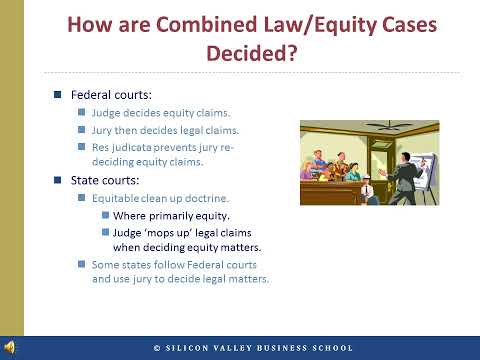
Now, here comes the tricky part: juries and equitable claims don’t often mix. In many instances, the law assigns these cases to judges rather than juries. Why? Because equity deals with fairness and discretion more than hard-and-fast rules. Juries are great at determining facts—like who did what—but they aren’t always equipped to handle the nuances of equity.
In some states, judges have to weigh in on equitable claims in family court or other civil matters. That said, there are a few situations where juries might get involved:
Here’s an example: Imagine a couple splitting up their assets after years together. One partner might argue they deserve more because they helped build the business from the ground up while the other was primarily focused on home life. A judge could weigh all this out using their understanding of equity law—things like contributions and sacrifices—and make a decision based on fairness rather than just numbers.
But let’s be real—this whole process can feel pretty overwhelming. It can also get emotional. Picture being in court discussing your marriage breakdown openly with complete strangers hearing everything. It’s tough! The stakes feel high because it’s not just about money; it’s about your future.
And while jury trials bring a sense of public input into legal issues, they’re often not handy for resolving equitable disputes directly because it takes a lot of specialized knowledge to make those calls correctly. Sometimes judges hear these cases without any jury involvement simply because they have the expertise and context needed to reach fair resolutions.
So yeah, if you find yourself involved in an equitable claim situation, remember that while juries are a vital part of our justice system, when it comes to fairness and equitability—judges usually take center stage.The goal is always reaching what is right, even if it’s more complicated than flipping a coin!
Understanding the Equitable Distribution Hearing: Key Processes and Outcomes Explained
Understanding the Equitable Distribution Hearing is pretty essential if you’re dealing with divorce or separation situations where property is being divided. This process is all about figuring out how to split up the couple’s assets and debts fairly, rather than equally. The goal here is to achieve what’s called “equitable distribution,” which means fair, not always 50/50.
So, what happens at an equitable distribution hearing? Well, basically, it’s a court proceeding where both parties present their cases regarding how things should be divided up. Here are some key processes that come into play:
- Gathering Financial Information: Before heading into the hearing, both sides usually have to fill out detailed financial disclosures. These include income statements, lists of assets like homes or cars, and debts—stuff like credit card bills or mortgages. It’s critical to be honest here since any discrepancies can lead to serious issues later.
- Pretreatment Discovery: Sometimes both parties will gather documents and evidence even before they show up in court. This might involve requesting bank statements or valuing properties with appraisals. Having solid documentation can make your case way stronger.
- The Actual Hearing: During this hearing, it’s your chance to tell your side of the story to a judge (not a jury in these cases). You’ll need to explain why you believe certain assets should be distributed in a particular way. Both parties get the floor to speak—there’ll be questioning from each side, too.
- The Judge’s Role: After listening to everything presented by both parties—the judge takes it all in and will make a determination on how things should be split based on various factors.
Now let’s tackle some of those factors that judges consider when deciding equitable distribution:
- The Length of the Marriage: Longer marriages may lead to a more equal division since partners often contribute jointly over many years.
- The Contribution of Each Party: This includes not just financial contributions but also non-financial ones like raising children or maintaining a home.
- The Financial Situation of Each Party: If one partner has way more income or prospects than the other post-divorce, this can heavily influence decisions.
- The Health and Age of Each Spouse: Sometimes health issues might affect future earning potential; that’ll weigh in on how assets are split.
Outcomes from these hearings can change lives significantly. Take Sarah for example—after her divorce hearing, she found out she’d receive her fair share of their joint investments and some future support for her children’s education as well. That helped her breathe easier financially as she transitioned into single life again.
In short, understanding what an equitable distribution hearing entails can seriously help anyone facing this situation feel more prepared and informed. Remember—the key here is fairness based on circumstances rather than just splitting everything right down the middle!
Understanding Marital Asset Division: Is Your Spouse Entitled to Half?
Equitable distribution in the U.S. law system, especially when it comes to divorce cases, is a fascinating but sometimes tricky topic. So, what does equitable distribution even mean? Well, it’s basically how marital property is divided between spouses during a divorce. But here’s the catch: it doesn’t always mean a 50/50 split. The court looks at various factors to decide what’s fair.
Imagine a couple, let’s call them Sam and Alex. They’ve been together for years, shared countless memories, and built their lives together. When the time came for them to separate, they had to figure out how to divide their things—like that coffee table they found at that quirky thrift store or Sam’s classic guitar collection that meant so much. It’s not just about money; it’s about the emotional weight these items carry.
Now, when cases like Sam and Alex’s land in court, judges consider lots of aspects before making a call on what’s fair. Think about income levels, how long they were married, contributions each made—whether financial or not—and even future needs post-divorce. It can be pretty emotional and complicated!
The jury system adds a whole other layer to this conversation. In cases involving equitable distribution where there are disputes about specific items or valuations—like who should keep the family home—a jury may actually play a role. Not every state involves juries in these kinds of cases since judges often make the final decisions on property division.
But can you imagine being part of a jury deciding whose coffee table goes where? It sounds absurd yet kind of serious at the same time! You’d have to consider each person’s story along with all those pesky legal standards while trying not to let your emotions cloud judgment.
At its core, equitable distribution isn’t just law; it reflects human experiences and relationships. It’s about balancing fairness while keeping in mind how intertwined lives can get over time. So next time you think about divorce and property division—or if you ever find yourself summoned for jury duty regarding similar issues—remember Sam and Alex. Their story is more than just numbers; it’s a reflection of two lives coming apart yet still deserving fairness amid emotional upheaval.
That’s just how complicated life and love can get when laws come into play!




