
The information provided in this article is intended solely for general informational and educational purposes related to U.S. laws and legal topics. It does not constitute legal advice, legal opinions, or professional legal services, and should not be considered a substitute for consultation with a qualified attorney or other licensed legal professional.
While efforts have been made to ensure the information is accurate and up to date, no guarantees are given—either express or implied—regarding its accuracy, completeness, timeliness, or suitability for any specific legal situation. Laws, regulations, and legal interpretations may change over time. Use of this information is at your own discretion.
It is strongly recommended to consult official sources such as the U.S. Government (USA.gov), United States Courts, or relevant state government and court websites before acting on any information contained on this website or article. Under no circumstances should professional legal advice be ignored or delayed due to content read here.
This content is of a general and informational nature only. It is not intended to replace individualized legal guidance or to establish an attorney-client relationship. The publication of this information does not imply any legal responsibility, guarantee, or obligation on the part of the author or this site.
So, let’s chat about emotional support animals, or ESAs for short. You might have seen those little pups in stores or restaurants, right? It’s kind of heartwarming to think about how they help people through tough times.
But there’s a flip side. The laws around ESAs and housing rights in America can get super confusing. I mean, who knew something so simple could turn into a legal puzzle?
Like, if you’ve got an ESA and you’re trying to rent a place, you might run into some bumps along the way. And honestly, it can feel pretty overwhelming.
So, what’s changing in the legal landscape? Well, there’s a lot to unpack here. Let’s dig into how perspectives on ESAs are shifting and what that means for your rights—because you deserve to know!
Emerging Legal Trends in Housing: The Evolving Role of Assistance Animals
The topic of assistance animals in housing is gaining more attention these days, and for good reason. Emotional Support Animals (ESAs) have become a hot topic as people increasingly recognize their benefits for mental health. Let’s unpack what’s happening in the legal realm regarding ESAs and housing rights.
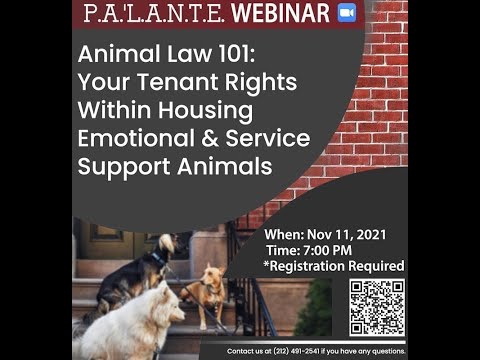
First off, it’s key to understand that ESAs are different from service animals. Service animals, like guide dogs, have specific training to assist people with disabilities. On the other hand, ESAs provide comfort but don’t need specialized training. This distinction can lead to confusion when it comes to housing rules.
One major point is the Fair Housing Act (FHA). This law protects people from discrimination in housing based on disability. Under this act, landlords must allow tenants with disabilities to keep their ESAs—unless it creates an undue burden or fundamentally alters the nature of the housing provider’s services. So basically, if you’ve got an ESA and your landlord is being difficult about it, they may need a solid reason to deny your request.
The reality is that many landlords aren’t fully aware of their obligations under the FHA. They might ask for too much documentation or charge extra fees, which can be frustrating for tenants who genuinely need their ESAs. In some cases, you might find yourself arguing your case more than you’d like.
Lately, court cases have started clarifying how these laws apply in real life. For instance, a couple years back, courts upheld that emotional distress caused by a landlord’s refusal could be grounds for a lawsuit under the FHA. It highlights that there are serious legal consequences when landlords don’t play by the rules regarding assistance animals.
Another trend worth noting is how widespread public awareness has grown about mental health issues and the role of emotional support animals in helping people cope. This increased recognition isn’t just making headlines; it’s also influencing legal perspectives and encouraging lawmakers to be more responsive to these challenges.
However, there have been instances where people abused ESA regulations by trying to pass off pets as emotional support animals without proper justification. As a result, some legislators are considering stricter requirements and regulations around documentation for ESAs. It’s kind of a double-edged sword: while many genuinely need support from these animals, others’ actions are muddying the waters.
Finally, as society evolves towards greater acceptance of mental health needs—housing laws may continue adapting. The growing push for inclusive policies suggests we might see changes reflecting this compassion towards those needing companionship from their pets on difficult days.
In short, while there are complexities in securing rights around assistance animals in housing situations today—and more changes likely on the horizon—the legal landscape appears to be shifting towards better protection for individuals who rely on ESAs for emotional support.
Exploring the Ongoing Influence of the Fair Housing Act in Modern Real Estate Practices
The Fair Housing Act is a landmark piece of legislation that came into play in 1968. It was designed to end discrimination against individuals trying to rent or buy homes. The thing is, even decades after its inception, it continues to shape how real estate transactions happen in the U.S. today.
Basically, the Act prohibits discrimination based on race, color, national origin, sex, disability, and familial status. You might be thinking: why does that still matter? Well, sometimes people don’t realize how deeply ingrained biases can affect housing choices. Some landlords still try to favor certain groups over others without even realizing it! That’s where this law steps in.
One recent example is how it has affected the treatment of emotional support animals (ESAs). Imagine someone named Sarah: she’s been feeling a lot of anxiety and depression after losing her job and her support dog has been helping her cope. But when she tries to find an apartment with her ESA, not all landlords are understanding. Some refuse to allow pets or ask for extra fees just because they don’t know enough about ESAs.
However, under the Fair Housing Act, Sarah has legal protections! Landlords must make reasonable accommodations for individuals with disabilities. So if Sarah provides documentation about her ESA from a licensed professional, she can’t be turned away simply because her dog might shed on the carpet.
Another important role that the Fair Housing Act plays today is in tackling redlining—a practice where banks or insurance companies refuse services to residents in certain neighborhoods based on race or ethnicity. This kind of discrimination perpetuates poverty cycles and keeps communities segregated. Thankfully, stricter enforcement mechanisms are being put in place nowadays which hold these institutions accountable.
Outside of specific housing scenarios like what Sarah faced or practices like redlining, there’s also this whole conversation about implicit bias. You know how sometimes people might not think they’re being biased but their subconscious beliefs say otherwise? Training for real estate professionals now often includes lessons on recognizing and confronting such biases. This proactive approach aims at fostering fairer practices across the board.
Still—it’s not all roses out there! Discriminatory practices can be subtle and often go unnoticed by both renters and buyers alike. For example:
- A property listing may use words that suggest it’s geared towards certain groups.
- A landlord might offer better terms to certain tenants while ignoring others with similar qualifications.
- Even neighborhood amenities could send unintentional messages about who “belongs.”
So what happens if you believe your rights are being violated? Well, residents can file complaints with local housing authorities or directly with the Department of Housing and Urban Development (HUD). They investigate these claims seriously!
In wrapping it up here—while we’ve come a long way since 1968 regarding housing discrimination laws thanks to acts like this one, there’s still much work left to do in ensuring everyone enjoys equal access to housing. By understanding these laws and standing up for your rights—or those of others—you help keep pushing toward fairness in real estate practices today.
Understanding ESA Laws in the U.S.: Key Regulations and Rights Explained
Understanding ESA Laws in the U.S. can be a bit tricky, but let’s break it down together. Emotional Support Animals (ESAs) are pets that help folks cope with conditions like anxiety, depression, or PTSD. The laws around ESAs have evolved over time and can vary quite a bit from state to state.
The Fair Housing Act (FHA) is one of the main laws that comes into play with ESAs. This law says that people with disabilities have the right to have an ESA in their home, even if a rental property has a no-pets policy. You know how annoying it can be when landlords are strict about pets? Well, this law helps push back against that.
But there are rules. You need to provide some documentation proving your need for an ESA, usually from a licensed mental health professional. So, if you’re thinking about getting an ESA, make sure you’ve got your paperwork sorted out. It helps avoid any awkward moments with your landlord down the road.
It’s also essential to understand that ESAs aren’t the same as service animals under the Americans with Disabilities Act (ADA). Service animals—typically trained dogs—help people perform specific tasks related to their disabilities and have broader access rights in public places. With ESAs? Their rights are mostly tied to housing situations.
Here’s something else we gotta mention: state laws! Each state might have its own specific regulations regarding ESAs. Some may require additional documentation or have different definitions of what constitutes an ESA. It’s kind of like checking local traffic rules when you drive through a new town; you want to avoid any surprises!
Also, keep in mind that if you’re living in a housing complex where they allow ESAs, landlords might still ask for certain things like pet deposits or fees related only to damages—not just basic rent hikes because you have your furry buddy around.
In case things go south and a landlord denies your ESA request without proper reasons or documentation, you can file a complaint with the Department of Housing and Urban Development (HUD). They take these complaints pretty seriously!
On top of all this legal stuff, it’s crucial to remember why people rely on ESAs. Like my friend Jamie was feeling super lonely after moving cities for work; she found comfort in her cat Bella. Just having Bella around made those tough days feel more manageable—bring some positivity into life!
So yeah, understanding ESA laws isn’t just about knowing the rules; it’s also about recognizing how vital these animals can actually be in providing emotional support and improving one’s quality of life! Just make sure you’re informed and prepared so you and your furry friend can thrive wherever you live.
You know, when we think about emotional support animals (ESAs) and housing rights, it’s kind of a mixed bag. This whole area of law has been evolving, which is wild to see. I remember hearing about a friend who had a tough time finding housing because her landlord refused to accept her emotional support dog. It was heartbreaking for her, especially since that little pup was her lifeline during tough times.
Back in the day, the laws around ESAs were pretty loose and definitely not standardized. People could claim they needed an animal for comfort without much proof, which led to some misunderstandings. Some landlords felt overwhelmed with requests and started pushing back hard on tenants, trying to set stricter policies or flat-out denying requests for ESAs. It’s like they felt these animals were more of a nuisance than support. You can imagine how frustrating that must have been for those genuinely relying on their pets.
Recently, though, courts have been stepping up and clarifying things a bit more. Now it’s pretty clear that if you have a documented need for an emotional support animal due to a mental health condition, landlords usually have to make reasonable accommodations. This shift reflects a growing understanding of mental health—people are recognizing that ESAs can make a huge difference in someone’s life.
Of course, there are still issues at play here. Some folks still try to game the system by claiming their pet is an ESA when it’s really just for snuggles on the couch. That muddies the waters for everyone else who’s genuinely trying to navigate life with their furry friends beside them.
All this legal evolution shows how society’s view on mental health and living with supportive companions is changing too. It’s kind of inspiring when you think about it—how laws can adapt based on our understanding of each other’s needs and experiences. But it doesn’t mean it’s all smooth sailing; there are still battles being fought in courtrooms across America over these rights.
So yeah, while there’s progress happening in acknowledging and protecting ESA rights in housing situations, understanding and compassion from both sides—tenants and landlords alike—will probably always be key in this ongoing dialogue. Just like my friend learned through her experience: having your best buddy at your side shouldn’t be such a struggle!




