
The information provided in this article is intended solely for general informational and educational purposes related to U.S. laws and legal topics. It does not constitute legal advice, legal opinions, or professional legal services, and should not be considered a substitute for consultation with a qualified attorney or other licensed legal professional.
While efforts have been made to ensure the information is accurate and up to date, no guarantees are given—either express or implied—regarding its accuracy, completeness, timeliness, or suitability for any specific legal situation. Laws, regulations, and legal interpretations may change over time. Use of this information is at your own discretion.
It is strongly recommended to consult official sources such as the U.S. Government (USA.gov), United States Courts, or relevant state government and court websites before acting on any information contained on this website or article. Under no circumstances should professional legal advice be ignored or delayed due to content read here.
This content is of a general and informational nature only. It is not intended to replace individualized legal guidance or to establish an attorney-client relationship. The publication of this information does not imply any legal responsibility, guarantee, or obligation on the part of the author or this site.
So, let’s talk eviction. It’s one of those things that can hit hard, you know? Picture this: You’re living in your cozy apartment, and then bam! A notice is taped to your door. Suddenly, everything changes.
Evictions are tough on everyone involved. Landlords want to protect their investment, while tenants just want a place to call home. It’s a messy situation. But here’s the kicker: there’s a whole legal process behind it that not everyone understands.
That’s where the jury system comes into play. You’d be surprised how much it affects evictions and what your rights are in all this chaos. So, stick around! I’m gonna break it down for you in a way that makes sense—no fancy legal jargon here, just real talk!
Effective Strategies to Persuade a Judge Against Eviction: A Step-by-Step Guide
When it comes to eviction, it can feel pretty overwhelming. If you find yourself facing a judge in court, there’s a way to make your case stronger. Here’s how you can effectively persuade a judge against eviction:
Understand the Eviction Process
First off, knowing how the eviction process works is crucial. You’re usually served with an eviction notice, and then you get a court date. The judge will listen to both sides. So, being prepared is key.
Gather Your Evidence
You want to show the judge why you shouldn’t be evicted. This means collecting documents like:
This helps prove your side of the story. For example, if you’ve been paying rent but have a dispute about repairs, keep records of those conversations.
Show Proof of Hardship
Judges are often sympathetic to personal circumstances. If you’ve had financial troubles or faced emergencies—like job loss or medical issues—make sure to share that information with the court. It’s not about making excuses but showing why you might need more time.
Consider Mediation
Sometimes sitting down with your landlord and discussing things can help avoid court altogether. A mediator can assist in finding common ground before things escalate.
Create a Payment Plan
If you’re behind on rent, coming up with a feasible payment plan could work wonders! Presenting this to the judge shows initiative and responsibility. Maybe offer to pay back part of what you owe monthly until you’re caught up.
Pleas for Leniency
When speaking in court, don’t hesitate to appeal for leniency if circumstances warrant it. Explain how eviction would impact not just you but family members or even pets—whatever resonates emotionally tends to stick with judges.
Avoid Disrespecting the Court or Landlord
Keep your cool! Even if tensions run high, speaking respectfully about everyone involved goes a long way. Judges appreciate decorum and are more likely to respond positively if they see you’re mature about the situation.
Acknowledge Your Mistakes
If there were mistakes on your end—like late payments—owning up can actually help your case rather than defensively denying everything. Honesty shows maturity and responsibility.
Overall, what it boils down to is preparation and communication. When navigating an eviction case, being informed makes all the difference between staying in your home or having to move out unexpectedly. Always remember that while it’s tough facing this kind of situation, you’re not alone in it!
Understanding Eviction Notice Requirements in Georgia: A Comprehensive Guide
Understanding eviction notices in Georgia can be a bit tricky, but let’s break it down simply. If you’re a landlord or a tenant, knowing the ins and outs of these notices is super important. So here’s the lowdown on what you need to know about eviction notice requirements in Georgia.
Types of Eviction Notices
Georgia has a few different types of eviction notices, each serving its own purpose. So, let’s look at the most common ones:
- Notice to Pay Rent or Quit: This notice is sent when the tenant hasn’t paid rent. It typically gives them seven days to pay what they owe or leave.
- Notice to Cure Default: If there’s a lease violation (like having a pet when it’s not allowed), this notice gives the tenant a chance to fix it – usually within 30 days.
- Notice of Termination: This is for month-to-month renters. Basically, it tells them their lease is ending and they need to vacate with at least 30 days’ notice.
Now you know the types of notices. But even more importantly, how do they actually work?
Delivery Methods
The way you deliver an eviction notice matters too. According to Georgia law, you’ve got several options:
- Personal Delivery: Handing it directly to the tenant is always best.
- Mail: You can also send it via certified mail, which means the tenant has proof that they received it.
- Posting: If you can’t reach them directly, posting it on their door could be your last resort.
Imagine being in your apartment and suddenly finding an eviction notice taped to your door! It feels pretty alarming. But knowing how and why you got there can help ease that stress.
Create Clear Documentation
Documentation is key during this whole process. When you’ve delivered an eviction notice, keeping records is crucial if things get dicey later on. You might want to scribble down when and how you served the notice because having that info handy could save you in court.
The Legal Process
So what happens if no action follows? If after giving proper notice your tenant doesn’t move out or fix their issues? Well, as a landlord, you’ll need to file an unlawful detainer action with your local court.
Here are some steps involved:
- Filing Court Papers: You’ll fill out and submit specific forms at the courthouse.
- Court Hearing: Both parties will be able to present their case before a judge.
- Password The Judgment: If you win, you’ll get permission from the court for a sheriff’s eviction – not something anyone looks forward too!
Imagine standing in front of a judge while all this legal mumbo jumbo goes down—it can feel like you’re on TV!
Tenant Rights
It’s worth mentioning that tenants do have rights during this whole process too! They have options for contesting an eviction if they believe it’s unfair or illegal. Plus, once served with an eviction notice, tenants generally have time (usually about seven days) before any further legal actions like court filings happen.
In Georgia specifically, understanding these rules helps everyone involved navigate through what can be tough times. With clear communication and adherence to legal requirements on both sides—landlords and tenants—hopefully things don’t escalate too badly.
So remember: whether you’re renting or managing properties yourself; knowing how these notices work keeps things fair. And fair treatment makes all relationships smoother—even when things get complicated!
Understanding Eviction Hardship Extensions in Georgia: Your Rights and Options
So, let’s talk about eviction hardship extensions in Georgia. If you ever find yourself in a tough spot with your landlord, knowing your rights can be a lifesaver. You might be wondering what options you have if you’re facing eviction due to financial hardship. Here’s the deal.
In Georgia, if you’re struggling to pay rent, there are some laws that can help pause or extend the eviction process. **Hardship extensions** come into play when you can show that your situation is temporary and that you’re actively trying to get back on your feet. You know, like maybe you lost your job or had unexpected medical bills.
First things first—here’s how this usually works:
- Notify Your Landlord: Communication is key! Talk to your landlord as soon as possible. Tell them your situation and see if they’re willing to work with you on a payment plan or deferment.
- File for Hardship Extension: If your landlord isn’t budging, you might need to file for an extension through the court. This would involve showing proof of your financial difficulties.
- Attend Court Hearings: If it gets to court, make sure you attend all hearings! This is super important because it gives you the chance to present your case directly to the judge.
- Seek Legal Help: Sometimes it helps to get legal advice or representation. Organizations sometimes offer eiviction legal services aimed at helping tenants like you navigate this process.
Now let’s break down what qualifies for these extensions. In Georgia, the courts typically want evidence of good faith efforts from tenants who are dealing with hardships.
For example, if you’ve been applying for jobs or even getting assistance from community programs, bring that proof along.
And here’s something else: if you’re facing eviction due to non-payment of rent during a declared emergency (like COVID-19), there could be additional protections available. Just remember—those rules can change often!
When you’re feeling overwhelmed by everything—from moving stress to financial worries—talking it out with someone who understands can really lighten the load, right? Like a friend helping out when they see you’re in a bind.
Just keep in mind that timing matters here; apply for those extensions promptly! **Delay can lead** straight down the road toward eviction judgment against you—a place no one wants to go.
If all else fails and eviction feels imminent, don’t forget about local housing resources and legal aid organizations that might help negotiate on your behalf or provide support during such tough times.
So yeah, being informed about hardship extensions could really make a difference in how things unfold for you during this stressful chapter of life! It just might give you enough breathing room until brighter days return!
Eviction can be a tough and emotional experience for anyone. Picture this: you’re sitting in your living room, maybe with a few boxes already packed, feeling that knot in your stomach because you know the landlord wants you out. It’s stressful, and honestly, it can feel pretty overwhelming. The legal side of it all—especially if it gets to court—is something most people don’t think about until they have to.
In the U.S., when someone is facing eviction, they often rely on legal services to help navigate this rocky road. You see, eviction cases usually start with a landlord filing a complaint in court saying that they want to remove a tenant for some reason, like not paying rent or violating lease terms. But even if the landlord is justified in wanting to evict someone—maybe they haven’t paid rent for months—it doesn’t mean the tenant has no rights.
That’s where eviction legal services come into play. A good attorney can review the lease agreements and any communications between landlords and tenants. Sometimes there are legal defenses available that tenants aren’t even aware of. For example, if the landlord didn’t follow proper procedures or if they filed for eviction due to retaliation—like when someone complains about conditions—the tenant might have a case.
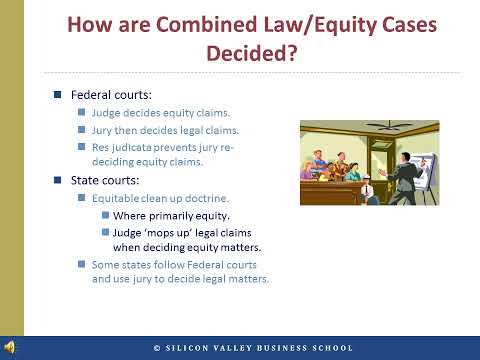
Now let’s talk jury trials. Most eviction cases are handled in civil court without juries, which means it’s just the judge making decisions based on evidence presented by both sides. But you could find yourself in front of a jury if your case seems more complicated or if there are significant damages at stake. In these situations, having solid legal representation can really make a difference—you want someone who knows how to present your story effectively.
It’s fascinating to think about how important our jury system is here; it gives people an opportunity to have their side heard by ordinary folks from their community—though most eviction cases don’t go this way, because usually both parties will settle before things escalate that far.
In short? Legal services can be lifesavers when facing potential eviction. No one should navigate these waters alone; having an experienced hand guiding you through can not only ease anxiety but also help protect your rights. It’s all about getting fair treatment within what can feel like a daunting process—because everyone deserves stability and security at home!




