
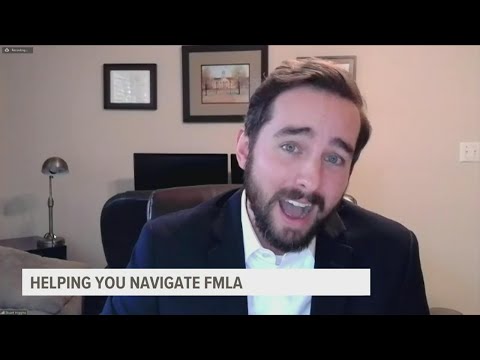
The information provided in this article is intended solely for general informational and educational purposes related to U.S. laws and legal topics. It does not constitute legal advice, legal opinions, or professional legal services, and should not be considered a substitute for consultation with a qualified attorney or other licensed legal professional.
While efforts have been made to ensure the information is accurate and up to date, no guarantees are given—either express or implied—regarding its accuracy, completeness, timeliness, or suitability for any specific legal situation. Laws, regulations, and legal interpretations may change over time. Use of this information is at your own discretion.
It is strongly recommended to consult official sources such as the U.S. Government (USA.gov), United States Courts, or relevant state government and court websites before acting on any information contained on this website or article. Under no circumstances should professional legal advice be ignored or delayed due to content read here.
This content is of a general and informational nature only. It is not intended to replace individualized legal guidance or to establish an attorney-client relationship. The publication of this information does not imply any legal responsibility, guarantee, or obligation on the part of the author or this site.
So, let’s chat about something that hits home for a lot of us—caring for family. You know, that moment when a loved one needs extra help? It can feel overwhelming.
What if I told you there’s a way to take some time off without losing your job? Yep, that’s where the Family and Medical Leave Act (FMLA) comes in.
This law gives caregivers a break when life gets tough. Seriously, it’s kind of a lifesaver. You might be wondering what your rights are.
We’ll break it down together, keeping it real and straightforward. You’ll want to stick around for this!
Comprehensive Guide to FMLA Caregiver Guidelines: Understanding Your Rights and Responsibilities
The Family and Medical Leave Act, or FMLA, is a big deal if you’re a caregiver in the U.S. It gives you the right to take time off work for certain family and medical situations without losing your job. You know, life happens, and sometimes you need to be there for loved ones.
Who Qualifies for FMLA Leave?
First off, to be eligible for FMLA leave, you need to work for a company that has at least 50 employees within 75 miles of your workplace. Also, you have to have been with the company for at least 12 months and clocked in at least 1,250 hours during that time.
So let’s say you’ve been working at your job for over a year. If your mom gets diagnosed with a serious health condition and needs help, you could potentially take time off through FMLA.
What Situations Are Covered?
FMLA isn’t just about taking care of yourself but also caring for others. Here are some reasons that qualify:
- Your own serious health condition.
- Caring for a spouse, child, or parent with a serious health condition.
- Dealing with pregnancy or childbirth.
- Adoption or foster care placement.
Imagine you’re juggling work while trying to help your sister who just had surgery. You’d have the right to take leave to support her during recovery!
How Much Leave Can You Take?
You can take up to 12 weeks of unpaid leave within any 12-month period. This leave can be taken all at once or spread out in smaller blocks of time if needed. This flexibility can really make things easier when you’re balancing work and caregiving duties.
But remember! Your employer doesn’t have to pay you while you’re on leave unless they offer paid parental leave.
Your Rights During Leave
While on FMLA leave, your job is protected. That means when you’re ready to come back, you’re entitled to return either to the same position or an equivalent one with similar pay and benefits. It’s important that they follow this rule because it can really affect your future if they don’t!
However—here’s something good to keep in mind—you can’t be fired or discriminated against because you’ve taken FMLA leave. That’s not cool and it’s illegal!
Your Responsibilities
There are a couple of things you’ll need to do as well:
- You must give your employer 30 days’ notice, if possible.
- If it’s an emergency situation, notify them as soon as possible.
- You might also need documentation from a healthcare provider confirming the need for FMLA leave.
So if your dad suddenly has heart surgery scheduled next week—yeah, let your boss know ASAP!
Pitfalls and Considerations
Many people don’t realize that using sick days before going on FMLA doesn’t count against those 12 weeks! Also keep in mind that not all employers handle FMLA processes the same way; they might ask for different forms or timelines.
It’s vital to stay informed about *how* everything works so there are no surprises when you’re navigating through these tough times.
So there you have it—a concise breakdown of what FMLA is all about when it comes down caregivers’ rights! Remembering these points can help make sure you’re prepared if life throws something unexpected your way while caring for others.
Understanding FMLA Leave: Qualifying Conditions and Eligibility Requirements
The Family and Medical Leave Act, or FMLA, is a really important law in the U.S. It lets employees take time off for specific reasons, you know? If you’re curious about what qualifies you for FMLA leave and the eligibility requirements, let’s break it down.
First off, to be eligible for FMLA, there are a few basic rules you need to meet:
- Employer Size: Your employer has to have at least 50 employees within a 75-mile radius.
- Length of Employment: You must have worked for your employer for at least 12 months. This doesn’t have to be consecutive! If you’ve taken time off (like maternity leave), it still counts.
- Hours Worked: During the past year, you need to have clocked at least 1,250 hours. That’s about a full-time work schedule!
So what happens if you hit all these criteria? You can take up to 12 weeks of unpaid leave in a year. But wait! What can this leave be used for? Here are the qualifying conditions:
- Your Own Serious Health Condition: If you’re dealing with something serious that requires treatment or makes you unable to work.
- Caring for a Family Member: You can take leave if your spouse, child, or parent has a serious health issue. For example, if your dad gets surgery and needs support during recovery!
- Bonding with a New Child: This applies whether it’s through birth or adoption. You know how exhausting it can be with a newborn!
But hang on! There’s more. Sometimes people think they don’t qualify because they’re part-time or temp workers. Not true! As long as your employer meets that employee threshold and you’ve met those employment criteria, you’re in.
Now let’s talk about notifications. You can’t just disappear without telling anyone—make sure you give your employer enough notice about taking FMLA leave. Ideally, it’s best to notify them at least 30 days ahead when possible.
Also important: FMLA leaves are **job-protected**. That means when you come back, your boss must give you your old position or an equivalent job without any kind of punishment.
Here’s an emotional story that captures how crucial this law is: Imagine Sarah—a hardworking mom whose son breaks his leg during soccer practice. She needs time off to help him heal and manage his therapy appointments. Thanks to FMLA, she can care for him without worrying about losing her job.
Navigating FMLA can feel overwhelming sometimes but knowing these details really helps clarify where you stand as an employee or caregiver under U.S. law! Just remember—you’ve got rights here!
Understanding Caregiver Leave vs. FMLA: Key Differences and Benefits Explained
So, let’s talk about caregiver leave and the Family and Medical Leave Act (FMLA). You might be wondering, what’s the deal with these two? What’s the difference? And how do they work together? Hang tight while I break it down for you!
Caregiver Leave usually refers to any time off that you take to care for a family member who needs assistance due to illness or injury. This isn’t a one-size-fits-all term; different states and companies might have their own policies on this. Some employers offer paid caregiver leave, while others don’t. The rules can vary widely.
On the flip side, the Family and Medical Leave Act (FMLA) is a federal law that gives eligible employees up to 12 weeks of unpaid leave per year. This is for specific family and medical reasons. You can use this time if you need to care for a seriously ill family member or your own serious health condition.
Now let’s dive into the differences:
- Eligibility: To qualify for FMLA, you need to work for a company with 50 or more employees, have worked at least 1,250 hours in the past year, and be at a location where your employer has at least 50 workers within 75 miles.
- Duration: FMLA gives you up to 12 weeks of leave in a single year. Caregiver leave durations can vary based on your employer’s policies.
- Payment: FMLA leave is typically unpaid. Some employers may choose to allow you to use paid time off during your FMLA leave. Caregiver leave might be paid or unpaid depending on the company.
- Notification: With FMLA, you usually have to give your employer 30 days’ notice if possible. For caregiver leave, it depends on what your employer’s policy says.
- Job Protection: FMLA protects your job when you’re away; you’re supposed to return to your same or an equivalent position when you come back. Caregiver leave doesn’t always provide that guarantee unless specified by company policy.
So picture this: Imagine Sarah has been taking care of her sick father who just had surgery. She wants to take some time off work without worrying about losing her job. If she qualifies under FMLA, she could take those 12 weeks knowing her position will be waiting for her when she returns.
But let’s say her workplace offers its own caregiver leave policy that gives her more flexible options like paid time off specifically designed for situations like hers; that could make things easier financially as well!
The Benefits? Well, using either kind of leave helps prevent burnout from caring for loved ones. It allows caregivers like Sarah some breathing room without stressing over job security.
In short, understanding these two can really help in planning how best to handle caregiving responsibilities while balancing work obligations too! Kind of comforting knowing there are protections out there if you ever find yourself needing them!
So, let’s chat about something that really affects a lot of folks out there: the Family and Medical Leave Act (FMLA). If you’re a caregiver—maybe looking after a sick parent or a child with special needs—you’ve probably wondered how this law works for you. Seriously, it can feel pretty overwhelming, right?
The FMLA was designed to give people some breathing room when they need to take time off from work for family or medical reasons. It’s like a safety net, you know? But what’s interesting—and sometimes frustrating—is that not everyone knows their rights under this law. You can take up to 12 weeks of unpaid leave in a year for specific situations without the fear of losing your job. That sounds great! But it doesn’t always play out so smoothly in real life.
I remember my friend Sarah who had to care for her dad after he got really sick. She was juggling her job and everything at home—definitely not an easy task. When she finally realized she could take FMLA leave, it felt like a lifeline! But then came the paperwork. The stress doubled when her employer seemed confused about whether she was eligible or not. I mean, come on! There needs to be better clarity, right?
The thing is, to be eligible for FMLA, you need to work at a place with 50 or more employees within 75 miles and have been there for at least 12 months with over 1,250 hours worked during that time. For many caregivers who are often part-time workers or employed by smaller companies, this can feel like hitting roadblocks.
But here’s where it gets real: even if you don’t qualify for FMLA based on these criteria, some states offer more robust protections for caregivers under their own laws! So if you’re caring for a family member and running into issues at work regarding time off? It could be worth checking local laws too.
Honestly, what strikes me most is how vital these rights are yet how little attention they get sometimes. Caregivers carry such heavy responsibilities but often don’t know that they have legal protections available to them. It can seriously make the difference between feeling supported and feeling totally overwhelmed.
So if you’re out there balancing caregiving with work duties and feeling stuck? Just do your homework about your rights—you deserve that peace of mind while caring for someone you love!




