
The information provided in this article is intended solely for general informational and educational purposes related to U.S. laws and legal topics. It does not constitute legal advice, legal opinions, or professional legal services, and should not be considered a substitute for consultation with a qualified attorney or other licensed legal professional.
While efforts have been made to ensure the information is accurate and up to date, no guarantees are given—either express or implied—regarding its accuracy, completeness, timeliness, or suitability for any specific legal situation. Laws, regulations, and legal interpretations may change over time. Use of this information is at your own discretion.
It is strongly recommended to consult official sources such as the U.S. Government (USA.gov), United States Courts, or relevant state government and court websites before acting on any information contained on this website or article. Under no circumstances should professional legal advice be ignored or delayed due to content read here.
This content is of a general and informational nature only. It is not intended to replace individualized legal guidance or to establish an attorney-client relationship. The publication of this information does not imply any legal responsibility, guarantee, or obligation on the part of the author or this site.
So, you’ve probably heard about Forever 21, right? That trendy store where you could find cute outfits for a steal. Well, things haven’t been looking too bright for them lately.
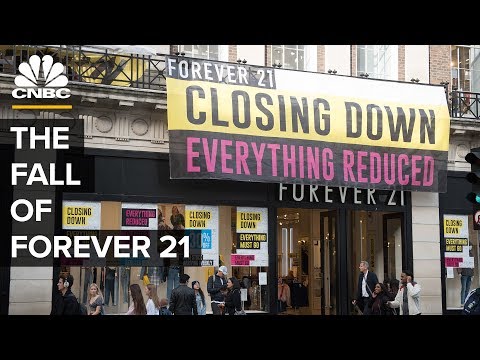
They filed for bankruptcy—it’s a pretty big deal in the retail world, especially with everything going on with online shopping and all. You might be wondering what that means for shoppers like us.
I mean, it’s not just about clothes; there are some real legal ramifications here that affect the whole game of retail in the U.S. It’s like watching a reality show unfold, but instead of drama between people, it’s all about money and laws.
Let’s break down what happened and why this case matters beyond just those cute crop tops. It’s got implications that could shake things up!
Analyzing Forever 21’s Major Business Missteps: Key Lessons Learned
Forever 21 is one of those brands that many of us remember from our teenage years. But they faced some serious challenges not too long ago. When they filed for bankruptcy in 2019, it sent ripples through the retail world. You see, there are some key takeaways from their journey that can teach businesses a lot about managing finances and staying relevant. Let’s break down their major missteps.
First off, the rapid expansion strategy was a big part of the problem. Forever 21 opened stores like crazy without really considering if the market could handle it. They stretched themselves too thin, and suddenly found themselves with high overhead costs and less foot traffic in stores. The lesson? Dive into market research before expanding.
Another significant issue was their failure to adapt to changing consumer preferences. As online shopping took off, Forever 21 didn’t invest enough in e-commerce early on. Instead of embracing new shopping habits, they clung to the old ways. Their website lagged behind competitors, resulting in lost sales. This teaches us that staying current with tech trends is crucial.
The brand also faced criticism for its supply chain management practices. Fast fashion is all about quick turnarounds and trendy items, but Forever 21 sometimes struggled with inventory issues—having too much of what no one wanted or missing out on hot items altogether. Efficient inventory management can make or break a business.
Then there’s the legal side of things—Forever 21 had its fair share of lawsuits over copyright issues and trademark infringements related to designs they used without permission from smaller creators or other brands. This shows that protecting intellectual property is essential. Ignoring these laws can lead to hefty fines and damage your brand’s reputation.
Not forgetting their marketing approach! They aimed at younger customers but missed out on connecting authentically with them through social media platforms where these audiences lived online. Instead of creating engaging content, they relied heavily on traditional ads which felt outdated to many younger shoppers. So? Understand your audience’s habits.
In summary, Forever 21’s bankruptcy case really highlights some critical lessons for businesses: know when to grow; adapt to change; manage resources wisely; respect intellectual property laws; and connect genuinely with your target audience on platforms they use every day.
So yeah, there are real-world implications here—not just for Forever 21 but for any business trying to make it in today’s fast-changing marketplace!
Analyzing the Impact of Forever 21’s 2019 Bankruptcy on the Retail Fashion Industry
The 2019 bankruptcy of Forever 21 was a big deal in the retail fashion world. It wasn’t just another store shutting its doors; it really shook things up for the entire industry. When a brand this well-known faces trouble, it makes everyone pay attention.
So, what did Forever 21’s bankruptcy mean? First off, it highlighted some serious issues in retail. Fast fashion brands like Forever 21 thrived on quickly turning over styles and keeping prices low. But as consumers became more conscious of sustainability and ethical practices, keeping that business model afloat got trickier. This shift in consumer behavior played a role in their downfall.
- Debt Load: Forever 21 was carrying huge amounts of debt—over $500 million! This kind of financial burden can sink even the biggest players.
- Cultural Changes: There’s been a rise in demand for sustainable fashion. More shoppers are starting to prefer quality over quantity, leading to fewer impulse buys.
- E-commerce Growth: Online shopping has exploded. Retailers who didn’t keep up with their digital presence found themselves at a disadvantage.
When Forever 21 declared bankruptcy, they tried to close unprofitable stores and reduce their debt. They were looking to restructure rather than completely dissolve—which is something many companies do during Chapter 11 bankruptcies.
It’s interesting because this case also brings up questions about the law and how it affects businesses. The process allows companies breathing room to reorganize but can also lead to job losses as part of cost-cutting measures.
For employees, this was stressful. Imagine working for a company you thought would always be around, only to have uncertainties swirling above your head now? Many workers faced layoffs or cut hours as restructuring took place.
Now let’s talk about the broader implications on other retailers. After Forever 21’s announcement, many smaller fashion brands took note. They had been following closely how larger chains managed their finances in an increasingly competitive environment.
The aftermath was significant. Over the next few years, many other retailers evaluated their operations and customer engagement strategies more critically than ever before.
- Adaptation Strategies: Brands adapted by focusing on unique offerings or enhancing customer experiences instead of flooding the market with low-cost items.
- Sustainability Trends: More retail companies started emphasizing sustainable practices—like using eco-friendly materials or ethical labor practices—to align with changing shopper values.
- Diverse Offerings: There’s been a move toward more diverse styles that cater to different demographics rather than one-size-fits-all fast fashion trends.
In short, Forever 21’s bankruptcy didn’t just close one chapter; it opened up discussions about what the future holds for retail fashion in America. The impact rippled through suppliers, employees, and competitors alike—it’s definitely something worth watching as we see how brands respond moving forward!
Understanding the Forever 21 Bankruptcy Docket: Key Insights and Legal Implications
The whole Forever 21 bankruptcy saga is an interesting ride, that’s for sure. Back in 2019, this popular fast-fashion retailer filed for Chapter 11 bankruptcy protection. So, what does that really mean? Well, it allows the company to restructure its debts while keeping its doors open and continuing business. Basically, it’s a second chance of sorts.
Now, let’s break down some key insights from this case and its legal implications:
- Chapter 11 Basics: This type of bankruptcy is designed for businesses that still have a shot at being profitable. It gives them a breather from creditors while they work out a plan to pay off debts.
- Asset Sales: Forever 21 wasn’t just twiddling its thumbs during this process. They sold off some assets and closed unprofitable stores to streamline operations. This kind of moves can be critical in figuring out how to bounce back.
- Court Oversight: The bankruptcy court plays a big role here. All major decisions made by Forever 21 had to get the green light from the judge. This helps ensure fairness for all parties involved—creditors, employees, and even customers.
- Impact on Employees: Bankruptcy can be tough on workers. When Forever 21 went through this process, many employees faced uncertainty about their jobs. Some were laid off as the company trimmed down its operations.
- Legal Precedents: The outcome of this case could influence future bankruptcies in the retail sector. It sets examples regarding how similar companies might handle their own financial crises down the line.
It’s worth mentioning that sometimes these cases get tangled up in tricky legal issues—like whether contracts are going to be honored or not. For instance, many retailers have partnerships with suppliers or landlords based on lease agreements that could change dramatically during bankruptcy proceedings.
One emotional angle here is thinking about all those young people who worked hard for Forever 21—some probably dreaming about fashion careers while others just loved their jobs there. Seeing such a beloved brand struggle can hit home.
So what are the broader implications? Well, when big retailers go down like this, it sends ripples through the economy—think about suppliers losing business or landlords missing rent payments.
At the end of it all, understanding the Forever 21 bankruptcy case gives you insight into how law interacts with business realities—showing just how complex and intertwined they really are!
So, let’s chat about the Forever 21 bankruptcy case. You know, it’s one of those situations that really gets you thinking about how business and law intertwine in the U.S. It all started back in 2019 when Forever 21 filed for Chapter 11 bankruptcy protection. They closed a bunch of stores and restructured their operations, which is kind of a common thing when businesses hit a rough patch.
But here’s where it gets interesting: this case highlights some key aspects of U.S. law surrounding bankruptcy and corporate restructuring. Basically, Chapter 11 is a way for companies to keep operating while they sort out their financial mess. They can negotiate with creditors and try to bounce back instead of just shutting their doors for good.
I remember hearing people talk about how Forever 21 was such a staple for affordable fashion, especially for young folks who wanted trendy clothes without breaking the bank. When they filed for bankruptcy, it wasn’t just numbers on a spreadsheet; it felt personal to many shoppers who had grown up with the brand. It made me think about how businesses impact communities and individual lives.
The implications of this case stretch beyond just Forever 21’s fate. It raises questions about consumer habits, the changing retail landscape, and even how laws adapt to new economic realities.
Since then, we’ve seen retailers struggling more than ever due to shifts like online shopping and changing tastes—COVID-19 only accelerated that chaos! The way laws respond to these challenges is crucial for protecting both consumers and businesses trying to stay afloat.
In wrapping up our chat about this whole thing, it’s clear that Forever 21’s journey through bankruptcy serves as a reminder of how interconnected our lives are with these big companies. It keeps you wondering: what’s next? How will future cases shape the legal landscape? It’s worth keeping an eye on!




