
The information provided in this article is intended solely for general informational and educational purposes related to U.S. laws and legal topics. It does not constitute legal advice, legal opinions, or professional legal services, and should not be considered a substitute for consultation with a qualified attorney or other licensed legal professional.
While efforts have been made to ensure the information is accurate and up to date, no guarantees are given—either express or implied—regarding its accuracy, completeness, timeliness, or suitability for any specific legal situation. Laws, regulations, and legal interpretations may change over time. Use of this information is at your own discretion.
It is strongly recommended to consult official sources such as the U.S. Government (USA.gov), United States Courts, or relevant state government and court websites before acting on any information contained on this website or article. Under no circumstances should professional legal advice be ignored or delayed due to content read here.
This content is of a general and informational nature only. It is not intended to replace individualized legal guidance or to establish an attorney-client relationship. The publication of this information does not imply any legal responsibility, guarantee, or obligation on the part of the author or this site.
You know those moments when you’re just staring at something, and your eyes start to twitch or bounce around? That’s kind of what gaze nystagmus is. Yeah, it’s a bit of a mouthful, but it’s basically your eyes moving involuntarily.
Now, why should you care about that? Well, in the courtroom, this little eye dance can actually play a big role. Yep! It’s used in some pretty serious ways during jury trials.
Imagine a juror trying to figure out if someone’s telling the truth based on their eye movements. Sounds wild, right? But that’s the reality in the U.S. legal system.
So buckle up! We’re diving into how gaze nystagmus is shaping perceptions and decisions in courtrooms across America.
Understanding Nystagmus: Who Is Affected and What You Need to Know
Sure, let’s talk about nystagmus. You might have heard the term in a medical context or even in court cases. So, what is it all about?
Nystagmus refers to involuntary eye movements. Basically, this means your eyes move side to side, up and down, or in a circular motion without you being able to control it. It can happen to anyone, but some people are more affected than others.
Types of Nystagmus
There are a few main types of nystagmus you should know about:
- Gaze Nystagmus: This occurs when your eyes can’t stay focused on a single point.
- Vestibular Nystagmus: Usually related to balance issues or inner ear problems.
- Congenital Nystagmus: A condition you’re born with that affects children from an early age.
Now, how does this relate to jury trials? Well, gaze nystagmus often pops up during DUI (Driving Under the Influence) cases. Police officers sometimes use gaze nystagmus tests as part of their field sobriety tests. When someone is suspected of being intoxicated, they might ask them to follow an object with their eyes and look for those involuntary movements.
The Role in Jury Trials
In jury trials, evidence regarding gaze nystagmus can really matter. It helps establish whether the defendant was impaired at the time of driving. But here’s where things get tricky: not everyone with gaze nystagmus is drunk! There are various reasons someone might exhibit these eye movements—neurological issues or even certain medications can cause them.
Let’s say there’s a case where someone gets pulled over and shows signs of nystagmus during the sobriety test. The officer notes it down as part of their report. If this goes to trial, the jury needs to understand:
- Nystagmus might not simply signify impairment.
- The reliability of these tests can be questioned.
- Skepticism is warranted when interpreting the results.
It’s super important for jurors to know that medical experts might need to clarify what exactly is happening with someone’s eye movements. A solid defense can challenge whether those movements were indeed linked purely to alcohol consumption or if there was another explanation.
Imagine being on a jury for one of these cases—it’s crucial that you grasp these concepts fully! The last thing you want is to make conclusions based only on incomplete information.
Also remember that if someone has a history of conditions that cause nystagmus but participates in driving—they could still be deemed fit enough by law! So you see how nuanced this whole situation can get?
NHTSA Resting Nystagmus: Understanding Its Role in DUI Assessments and Impairment Detection
NHTSA Resting Nystagmus is a concept that comes into play during DUI assessments, especially when evaluating someone’s impairment related to alcohol or drugs. You might be wondering, what exactly is nystagmus? Well, it’s that involuntary eye movement where your eyes jerk or oscillate. It’s not something you can control, and it can be pretty telling when cops are assessing whether someone is sober or not.
When officers pull you over and suspect you’re under the influence, they might conduct a series of tests. One of those tests involves observing gaze nystagmus. This includes checking how your eyes react when you focus on a moving object. The National Highway Traffic Safety Administration (NHTSA) has set guidelines for these assessments, which are designed to help officers identify signs of impairment.
So, how does resting nystagmus fit into this? Well, if someone shows evidence of nystagmus when their eyes are at rest—before any distractions—this could indicate impairment even before they start those roadside tests. It’s like a red flag waving before the main event.
You’d think that’s enough to convict someone, but that’s not really the case. The evidence gathered from nystagmus tests needs to be viewed in conjunction with other factors. For example:
- The way someone performs on field sobriety tests.
- The smell of alcohol on their breath or signs of intoxication.
- How they behave during the traffic stop.
The key here is that resting nystagmus alone isn’t gospel; it’s part of a broader picture. In court trials, jurors need to see all these pieces working together to make informed decisions about impairment.
In real-life situations, let’s say Officer Jones pulls someone over who’s swerving a bit. He notices resting nystagmus while asking the driver to follow his pen with their eyes. That could raise suspicion right off the bat. But if the driver then nails all their sobriety tests and seems coherent after some questioning? That could sway things in favor of the driver.
It gets even trickier with jury trials because jurors have varying degrees of understanding about these scientific concepts and testing procedures. Some jurors might feel like eye movements are too vague; others may view them as solid indicators of intoxication.
So remember, while NHTSA Resting Nystagmus plays an important role in DUI assessments by identifying potential impairment through eye movement, it’s just one piece in a larger puzzle that juries must assemble before reaching a verdict!
NHTSA Guidelines on Identifying DUI Indicators: Key Clues for Law Enforcement and Legal Professionals
The National Highway Traffic Safety Administration (NHTSA) has developed guidelines that help law enforcement identify potential DUI (Driving Under the Influence) situations. One key component of these guidelines is **gaze nystagmus**, which refers to an involuntary movement of the eye. So, let’s break this down a bit, shall we?
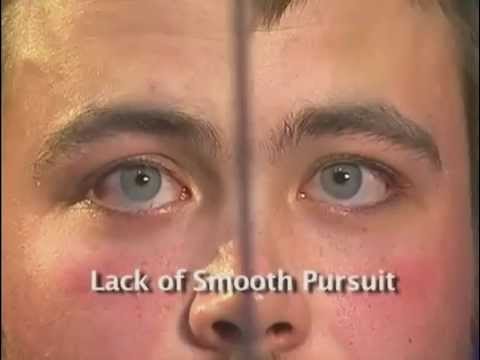
Gaze nystagmus can be a crucial clue for officers. When someone is intoxicated, their eyes might not follow a moving object smoothly. Instead, they might jerk or bounce around, signaling impairment. Here are some main points regarding this indicator:
- Horizontal Gaze Nystagmus (HGN): This is the most common type assessed during field sobriety tests. Officers look for jerking movements as you track an object horizontally.
- Vertical Gaze Nystagmus: Less common but still important in certain cases. Officers check for jerking when looking up and down.
- Importance in Trials: In jury trials, experts may explain how nystagmus relates to intoxication levels. It’s not just about getting pulled over; it’s about how this evidence can sway juries.
You see, when a person is charged with DUI, and gaze nystagmus is noted in the police report, it can become a focal point during court proceedings. The prosecutor might bring in an expert witness to testify about what those eye movements mean.
Now imagine being on a jury and hearing about someone who failed the gaze nystagmus test because their eyes couldn’t keep up with a moving finger like they should have. Wouldn’t that make you think twice about their level of impairment? That’s why understanding these indicators is so critical.
But here’s where it gets tricky—eye movement isn’t the only sign of impairment. Factors like fatigue or medical conditions can also contribute to irregular eye movements. This is why legal professionals pay close attention to all details surrounding the incident.
Another aspect to consider is how officers are trained on these tests. Their observations must align with NHTSA standards; otherwise, it could lead to questions about their credibility during trials.
It paints a picture of how important precise observation and documentation are in DUI cases! You really want every little detail noted because it can decide someone’s fate in court.
In sum, gaze nystagmus serves as one of those telltale signs that law enforcement looks for when determining if someone may be driving under the influence and it definitely plays its role in influencing jury perceptions during trials. The thing is—understanding these nuances helps everyone involved navigate through such serious legal waters more clearly!
You know, when you think about jury trials in the U.S., a lot of folks don’t jump straight to the science of eye movements. But there’s this thing called gaze nystagmus that can actually play a role in some cases. It’s pretty fascinating stuff.
So, imagine a situation where someone gets pulled over for suspected DUI. The police officer might ask them to follow a finger or a pen with their eyes, and what they’re looking for is gaze nystagmus. This condition can manifest as involuntary eye movements, and during testing, if the eyes jerk at certain angles or speeds, it can be an indicator of impairment. Sounds like something out of a sci-fi movie, right?
Now picture this: You’re sitting on a jury panel, and you hear all about this test. The prosecution says it shows that the driver was impaired—totally unreliable on the road. Meanwhile, the defense may argue that nystagmus can occur due to other factors like fatigue or even just being stressed out at that moment. It’s important because jurors have to weigh that evidence carefully.
Juries are tasked with understanding these complex scientific principles; they’re expected to take medical findings into account without being experts themselves. It’s almost like asking someone who barely passed high school biology to diagnose an illness! Yet it happens all the time in courtrooms across America.
You can see how tricky that must be for jurors trying to make sense of something that’s not exactly common knowledge. And moments like these highlight just how crucial it is for the legal system to bridge that gap between science and everyday experiences.
In the end, it really shows—whether it’s about gaze nystagmus or any other scientific testimony—how human judgment comes into play in our justice system. It’s wild how something as simple as eye movement can carry so much weight in determining someone’s fate!




