
The information provided in this article is intended solely for general informational and educational purposes related to U.S. laws and legal topics. It does not constitute legal advice, legal opinions, or professional legal services, and should not be considered a substitute for consultation with a qualified attorney or other licensed legal professional.
While efforts have been made to ensure the information is accurate and up to date, no guarantees are given—either express or implied—regarding its accuracy, completeness, timeliness, or suitability for any specific legal situation. Laws, regulations, and legal interpretations may change over time. Use of this information is at your own discretion.
It is strongly recommended to consult official sources such as the U.S. Government (USA.gov), United States Courts, or relevant state government and court websites before acting on any information contained on this website or article. Under no circumstances should professional legal advice be ignored or delayed due to content read here.
This content is of a general and informational nature only. It is not intended to replace individualized legal guidance or to establish an attorney-client relationship. The publication of this information does not imply any legal responsibility, guarantee, or obligation on the part of the author or this site.
Jury duty, huh? You probably think it’s just a boring civic obligation. But let me tell you, it’s so much more than that.
Imagine sitting in a room, listening to real-life stories of people’s lives hanging in the balance. Sounds intense, right? Well, it is!
You’re not just a passive observer. You play a huge role in the justice system. Your decisions can change someone’s life forever. No pressure, right?
So, why does it matter? Let’s dig into how jury duty fits into the whole American legal scene and why your part in it is pretty epic!
Understanding the Role of the Jury in the U.S. Legal System: Functions, Responsibilities, and Significance
The jury plays a super important role in the U.S. legal system. Seriously, it’s like one of the cornerstones of justice that connects everyday people with legal proceedings. So, let’s break down what a jury does, why it matters, and how it all fits into the big picture of our justice system.
What is a Jury?
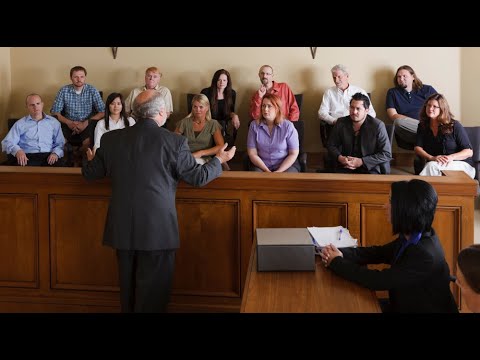
A jury is basically a group of people from the community. They come together to listen to evidence and determine whether someone is guilty or not guilty in a criminal trial, or decide on liability in civil cases. You might be thinking that sounds pretty straightforward, right? Well, it gets more complex!
Functions of the Jury
One key function of the jury is to ensure fair trials. Their job is to remain impartial and make decisions based on the facts presented to them during the trial. Think about it—if you were being judged by your peers instead of just some judge who doesn’t know you at all, wouldn’t that feel more just?
Here’s what juries typically do:
- Fact-Finding: They listen to testimony and examine evidence presented during trials.
- Deliberation: After hearing everything, they discuss among themselves before reaching a verdict.
- Verdict Decision: Finally, they decide whether the defendant is guilty or not guilty in criminal cases.
The Responsibilities
Jurors have some serious responsibilities too. First off, they have to pay attention! All those testimonies and pieces of evidence can be overwhelming. But their job is to sift through that information without letting personal feelings sway their judgment.
Another big responsibility? Keeping things confidential as they deliberate about their verdict. Once they’re called for duty, jurors can’t chat about the case with anyone outside their group—no matter how tempting it might be!
And here’s something interesting: jurors are usually compensated for their time. While it might not be enough to replace your job’s pay (which can feel frustrating), it’s something!
Significance of Jury Duty
You know what really makes jury duty stand out? It’s democratic! The idea here is that ordinary citizens from various backgrounds get together to decide outcomes in legal cases—it’s like crowd-sourced justice.
Imagine a case where someone’s being accused of a crime they say they didn’t commit; this could change lives! A jury’s verdict could mean freedom for one person or punishment for another and understanding this weight brings real gravity to why we have them.
It also means accountability for government actions; jurors help ensure police and prosecutors don’t just run wild without checks on their power.
To wrap this up—juries symbolize community involvement in the justice process. They balance out power dynamics between individuals and institutions which really matters when figuring out what’s right or wrong.
So next time you hear about someone getting called for jury duty—or if you get summoned yourself—remember: it’s not just an obligation—it’s part of something much bigger!
The Role of Jury Duty in Strengthening the Justice System: A Comprehensive Overview
Jury duty, right? It’s that civic responsibility we all hear about but might not think too much on. But seriously, it plays a huge role in making sure our justice system functions effectively. So let’s unpack this and see what’s going on.
First things first, being part of a jury means you’re directly involved in the legal process. It’s your chance to step up and make decisions on matters that affect people’s lives. You could be there deciding if someone is guilty or innocent. Talk about heavy stuff! **The jury acts as the community’s voice**, reflecting community standards and values in the courtroom.
Now, why is jury duty so important? Well, for starters, it helps ensure fair trials. The idea is that random citizens from different walks of life will bring their perspectives to the table. This diversity helps keep things balanced and fair. You know how sometimes people can be biased? Having a group of people makes it harder for just one viewpoint to dominate the decision-making process.
Also, jury duty strengthens public trust in the legal system. Think about it: when citizens see others like them—regular folks—making these tough calls instead of just legal professionals, it builds confidence in the system as a whole. It reminds everyone that justice isn’t just something handled behind closed doors by lawyers with fancy degrees.
And here’s something really interesting: being part of a jury often opens people’s eyes to how complex legal proceedings can be. Normally, you might just hear about court cases through news headlines but getting an inside look can change your understanding of the law entirely.
There are some key points that highlight how jury duty holds everything together:
- Representation: Jurors come from varied backgrounds, which means many different opinions and life experiences influence decisions.
- Civic Engagement: Serving shows that you care about your community and sets an example for others.
- Checks and Balances: Juries act as a check on governmental power by ensuring laws are applied fairly.
Now let me throw in a quick anecdote here: there was this guy named Jake who never thought much about his civic duties—until he got called for jury duty. He walked into court feeling skeptical but left with a newfound respect for the judicial process after deliberating on an important case involving theft. Seeing how they debated evidence made him realize he had more impact than he thought!
But hey, I get it—jury duty can sometimes feel like an inconvenience. Yet, at its core, it really emphasizes participation in democracy and accountability within our legal framework. It’s not just an obligation; it’s also kinda empowering when you think about it! When you serve on a jury, you’re helping maintain fairness and justice where it matters most.
In summary, while jury duty might seem like just another chore at first glance, it’s actually vital to keep our justice system strong and trustworthy. So next time you see that summons in your mailbox, don’t roll your eyes just yet; consider stepping up to play your part in democracy!
Importance of Jury Duty for US Citizens: Upholding Justice and Civic Responsibility
Jury duty is a cornerstone of the American legal system. It’s not just some boring obligation; it’s your chance to participate in our democracy and help uphold justice. Seriously, think of it this way: when you serve on a jury, you’re stepping into the shoes of your fellow citizens. You’re helping decide what’s right and what’s wrong based on the evidence presented in court.
One of the biggest reasons jury duty is vital is that it ensures a fair trial. The U.S. Constitution guarantees that everyone has the right to be judged by an impartial jury of their peers. This means people like you—not just legal experts—get to weigh in. If juries were made up only of judges or lawyers, it wouldn’t reflect our diverse society at all, would it? A group of regular folks brings different perspectives and life experiences, which can greatly influence the outcome.
When citizens step up for jury duty, they also show civic responsibility. It’s easy to sit back and critique the system from the sidelines. But when you take part in jury duty, you contribute to something bigger than yourself. You’re playing a role in ensuring justice is served. If people didn’t fulfill this responsibility, who would carry that weight?
Now, let’s talk about accountability. When jurors deliberate on a case, they have to look at all sides carefully and make decisions based on facts—not emotions or outside pressures. This process holds both the legal system and defendants accountable. It keeps everything transparent and fair.
Another cool aspect is how jury duty fosters community. Serving alongside others can feel really unifying! You might find yourself chatting with someone who has completely different views but shares your dedication to justice—or maybe you’ll come across someone with a story similar to yours. That connection reinforces how we’re all part of this big democratic puzzle.
Some folks might think they can wiggle out of serving by claiming busy schedules or other commitments—but courts usually don’t buy that excuse unless there’s a real reason not to serve. And if you’re chosen but unsure about how it works or what’s expected? Don’t sweat it; you’ll get guidance throughout the process.
And let’s keep it real: serving on a jury can actually be quite an eye-opener! Many people leave feeling like they’ve gained insight into how our legal system functions—or even how society operates as a whole! It challenges any preconceived notions about guilt or innocence because you see firsthand how evidence plays out in real life.
In summary, jury duty isn’t just an annoying task—it’s crucial for upholding justice and reinforcing civic responsibility among U.S. citizens. So next time you get that summons in the mail? Don’t roll your eyes—consider it an opportunity to play an important role in shaping our society!
Jury duty is one of those things that can stir up a mix of feelings. On one hand, many people see it as a big hassle, right? I mean, who wants to hit pause on their life to sit in a courtroom? But then there’s this other side that’s genuinely important. It’s like the heartbeat of our justice system.
You’ve probably heard stories about jurors making tough calls—deciding someone’s fate based on the evidence presented. I remember my friend once got called for jury duty and was really stressed about it. She wasn’t sure what to expect and honestly thought it would be super boring. But once she got there, she found herself captivated by the whole process. She described how powerful it felt to be part of something so crucial.
So, what’s the deal with jury duty? Well, it plays a huge role in holding the legal system accountable. When you think about it, having regular folks decide cases rather than just judges keeps things in check. It adds this layer of community perspective; you get people from different walks of life bringing their own experiences into the mix.
But yeah, serving isn’t always easy. Jurors often have to sift through complex information and witness testimonies—it can be heavy stuff! And let’s not forget the pressure they might feel when deliberating. The weight of responsibility is real, especially when lives and reputations are at stake.
Then there’s this idea of civic duty—like participating in democracy at its ground level. It can feel empowering to know you’re contributing to fairness and justice in your own way. There’s this notion that being part of a jury gives individuals a voice; it’s your chance to stand up for what’s right.
In a world where so much feels out of our hands, jury duty reminds us that we matter. Even if you’re nervous about getting called in or find it inconvenient, just remember: your presence is part of what keeps our legal system strong and fairer than ever!




