
The information provided in this article is intended solely for general informational and educational purposes related to U.S. laws and legal topics. It does not constitute legal advice, legal opinions, or professional legal services, and should not be considered a substitute for consultation with a qualified attorney or other licensed legal professional.
While efforts have been made to ensure the information is accurate and up to date, no guarantees are given—either express or implied—regarding its accuracy, completeness, timeliness, or suitability for any specific legal situation. Laws, regulations, and legal interpretations may change over time. Use of this information is at your own discretion.
It is strongly recommended to consult official sources such as the U.S. Government (USA.gov), United States Courts, or relevant state government and court websites before acting on any information contained on this website or article. Under no circumstances should professional legal advice be ignored or delayed due to content read here.
This content is of a general and informational nature only. It is not intended to replace individualized legal guidance or to establish an attorney-client relationship. The publication of this information does not imply any legal responsibility, guarantee, or obligation on the part of the author or this site.
So, you’re thinking about lease forms, huh? Yeah, they can be a real maze.
Most folks don’t give them much thought until things go sideways. You know what I mean? When you’re in a legal pickle, suddenly that tiny piece of paper feels like a giant boulder.
Understanding lease forms is key. They can make or break your rental experience. For landlords and tenants alike, knowing the ins and outs can save you from a whole lot of headaches.
Trust me, it’s not all boring legal mumbo jumbo. There are some juicy details that could change how you see renting! Buckle up; we’re diving in!
Exploring the 5 Types of Leases: A Comprehensive Guide for Tenants and Landlords
Well, when you’re diving into the world of leases, it’s all about understanding your options—especially if you’re a tenant or a landlord. There are basically **five main types of leases** you should know about. Each has its own quirks and comes with specific rights and responsibilities. So let’s get into it.
1. Fixed-Term Lease
This is probably what most folks think of when they hear “lease.” It’s set for a specific period, like one year or six months. You sign on the dotted line, and both parties agree to stick to the terms until that time is up. If you want to break it early? Well, typically there are penalties involved—like losing that security deposit or paying rent until a new tenant is found.
2. Month-to-Month Lease
Now this one gives you more flexibility. Basically, once the month ends, either party can decide to move on without too much hassle. It’s like having a gym membership—you can cancel anytime! But keep in mind, landlords usually require a notice period before moving out; often it’s 30 days. This kind of lease can work wonders if you’re in a temporary situation.
3. Tenancy at Will
This lease arrangement is even more casual than the month-to-month deal. It’s basically an open-ended agreement where both parties can end things whenever they feel like it—just like deciding not to go out for pizza one night because you’re too tired! Of course, there should be some notice involved if someone wants to leave; otherwise it could get messy.
4. Sublease Agreement
So, let’s say your buddy needs a place for a few months while they’re interning in another city? You might decide to sublet your apartment during that time.With this type of lease, you’ll become the primary tenant and your friend will be considered the subtenant. But here’s the catch: often you need your landlord’s permission first or else you could face some serious issues down the road.
5. Commercial Lease
If you’re thinking about opening up shop—like starting that dream coffee shop—you’ll be diving into commercial leases which have their own rules and regulations separate from residential ones . These typically involve longer terms and more complex arrangements related to rent increases and property use restrictions.
Each type carries its own legal implications, so whether you’re looking at moving into a new place or leasing out yours, understanding these terms is super important.
In essence, knowing these **five types of leases** gives you that edge as either a landlord or tenant. Just remember: read any lease carefully before signing! That way you’ll avoid surprises later down the line that can make both parties feel frustrated.
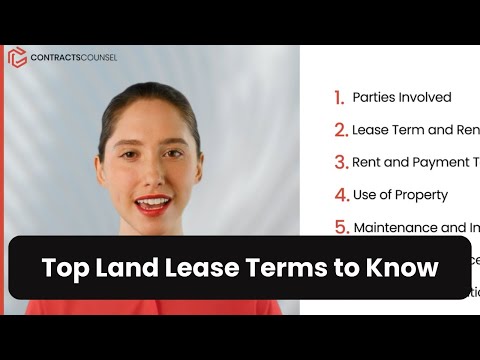
Understanding the 5 Essential Criteria for a Lease Agreement
When you’re diving into a lease agreement, it’s kinda like navigating a new city—you want to know the lay of the land before you start your journey. A lease isn’t just a piece of paper; it’s a legally binding contract. Here are five essential criteria that make up an effective lease agreement.
- Parties Involved: This is where you name everyone in the mix. You’ve got the landlord on one side and the tenant on the other, right? It should clearly state who is renting and who is renting out. If there are multiple tenants or subtenants, they need to be named as well. You don’t want any mix-ups later!
- Description of the Property: You gotta know what you’re renting! The lease has to include a detailed description of the property—like, is it an apartment, house, or maybe just a room? Include the address and any specific areas included in the rental—like parking spaces or basements. Think of this as your map for what’s yours during your stay.
- Term of Lease: Here’s where you figure out how long you’re signing up for. It could be a month-to-month arrangement, or maybe it’s a year-long commitment. This section should be super clear about start dates and end dates—and what happens if you want out early or need an extension.
- Rent Details: Money talks! This part outlines how much rent you owe and when it’s due—monthly, bi-weekly, whatever works for both parties. It also needs to mention accepted payment methods (checks, online payments) and late fees if payments slip through the cracks.
- Rules and Regulations: Last but not least! Every landlord has their own house rules—the stuff that keeps things running smoothly. This might cover pet policies, smoking restrictions, noise levels, or maintenance responsibilities. It’s important so everyone knows what’s “cool” and what isn’t during your lease term.
So let’s say you’re looking at an apartment in a big city. You sign on for twelve months with detailed descriptions about your cozy little corner unit—but then they drop rules about no pets without notice! Without these key criteria laid out upfront in your lease agreement, you might find yourself in some awkward situations down the line.
Make sure to read through everything carefully; understanding these elements will save you headaches later on!
Understanding Tenant Rights: How to Properly Terminate a Lease Agreement
Understanding your rights as a tenant, especially when it comes to terminating a lease agreement, is super important. You don’t want to end up tangled in a legal mess, you know? So let’s break this down together.
First things first, what is a lease? It’s basically an agreement between you and your landlord about renting a property. The lease usually specifies how long you’ll live there and how much rent you’ll pay. But what if you need to leave early? That’s where it gets tricky.
Now, let’s talk about some key ways to terminate a lease properly:
- Check your lease terms: Your lease should specify the rules for termination. Some leases allow you to break them early under certain conditions—like job relocation or family emergencies. Read carefully!
- Notice requirements: Most leases require that you give written notice before moving out. Typically, it’s 30 days, but check your lease! You don’t want any surprises.
- Find out about penalties: Some landlords might charge you a fee for breaking the lease early. It can be annoying but knowing this info can help you plan better.
- The return of your deposit: When leaving, keep in mind that landlords must return your security deposit unless there are damages or unpaid rent. Document the condition of the place before leaving!
Now here’s something important: state laws vary. Each state has its own rules regarding tenant rights and responsibilities. For instance, if you’re in California and you’re breaking your lease because of unsafe living conditions, you’re protected under the law—you can leave without penalties!
Let’s say an emotional situation comes up—like losing a job unexpectedly or needing to care for an ailing parent. In these cases, informing your landlord as soon as possible is key! They might be understanding and allow an early termination without much fuss.
But what if they aren’t? Well, keeping records is crucial here. Document all communications with your landlord about breaking the lease—emails, texts—you name it! This could seriously help if there’s ever a dispute.
Another thing: sometimes tenants think they can just “drop the keys” and walk away after giving notice without any further obligations—that’s not generally how it works! You still have responsibilities until your official move-out date arrives.
Also remember that if you’re facing serious issues like harassment or unsafe environments (think mold or electrical problems), laws often protect tenants from being held accountable for breaking leases under those circumstances.
Understanding tenant rights is like having superpowers when dealing with landlords! Empower yourself by knowing what applies in your state and ensure every step you take is in line with those legalities.
In short, proper communication with your landlord and knowledge of both your rights and obligations are crucial when terminating a lease agreement. Make sure to stay informed so that when life throws those curveballs at you—you’ll be ready to hit them outta the park!
You know, when you think about lease forms in the U.S., it can get pretty overwhelming. Like, how many types are there? Who actually reads all that legal stuff? I mean, you just want to find a place to live, right? But understanding these forms is super important, especially if you ever find yourself in a legal situation involving a lease.
Let’s say you’re renting this cozy little apartment downtown. You feel all excited about it until your landlord suddenly hits you with this massive stack of papers. And honestly, all those terms and clauses start swirling around your head like a tornado. You see “subletting,” “security deposit,” and “termination clauses” thrown around like confetti. It’s enough to make your head spin! But hey, getting a grip on what those terms mean can save your skin down the line.
Lease forms essentially outline the agreement between you and your landlord. They’re like a roadmap for what’s expected from both sides—kind of like the rules of engagement for your new living situation. If things go south—like if there’s an issue with repairs or something gets damaged—you’ll want to refer back to that lease to see what rights and responsibilities each party has.
What usually happens in legal proceedings is that these lease agreements become central pieces of evidence. Imagine being in court, trying to prove your case based on something as simple as who was supposed to fix that leaky faucet! The details matter big time.
And remember that not every state has the same laws regarding lease agreements. Some places are more tenant-friendly, while others lean toward landlords’ rights. So even though it might be tempting to just skim through that fine print (seriously, who wants to read that?), taking time to understand it can really pay off later.
But here’s the kicker: if you ever feel lost or confused about any part of your lease form or what it means in legal terms, don’t hesitate to reach out for help! Whether it’s talking with a knowledgeable friend or consulting with someone who knows their way around rental laws, getting clarity can make all the difference.
In short? You’ve got rights and responsibilities when renting a place. Understanding the lease form is just one way you can protect yourself and ensure smooth sailing while living under one roof with someone else!




