
The information provided in this article is intended solely for general informational and educational purposes related to U.S. laws and legal topics. It does not constitute legal advice, legal opinions, or professional legal services, and should not be considered a substitute for consultation with a qualified attorney or other licensed legal professional.
While efforts have been made to ensure the information is accurate and up to date, no guarantees are given—either express or implied—regarding its accuracy, completeness, timeliness, or suitability for any specific legal situation. Laws, regulations, and legal interpretations may change over time. Use of this information is at your own discretion.
It is strongly recommended to consult official sources such as the U.S. Government (USA.gov), United States Courts, or relevant state government and court websites before acting on any information contained on this website or article. Under no circumstances should professional legal advice be ignored or delayed due to content read here.
This content is of a general and informational nature only. It is not intended to replace individualized legal guidance or to establish an attorney-client relationship. The publication of this information does not imply any legal responsibility, guarantee, or obligation on the part of the author or this site.
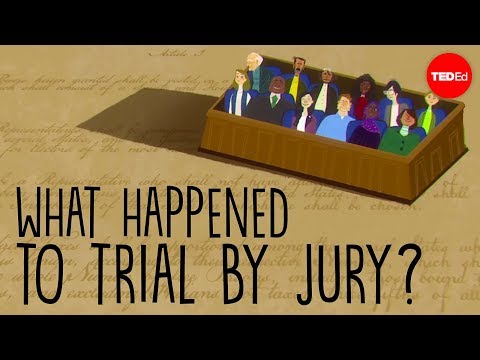
Okay, so here’s the deal. The jury system in America is kind of a big deal. You might not think about it every day, but it’s like this backbone of our justice system, right?
Imagine being part of a group that helps make super important decisions about people’s lives. Sounds intense, huh? Well, that’s what jurors do. They’re like everyday heroes in a courtroom drama.
But there’s so much more to it than just sitting there and listening to lawyers throw words around. It gets complicated, and honestly, sometimes a bit wild.
So let’s break it down together. We’ll explore how this whole jury thing works—why it matters and maybe even some quirks that come with it. Ready? Let’s jump in!
Understanding the 7th Amendment: Key Principles of Jury Trials Explained
The 7th Amendment is one of those things in the U.S. Constitution that really highlights the importance of the jury system. Basically, it guarantees your right to a jury trial in civil cases. So, let’s break down what that means, so you can grasp it easily.
First off, this amendment says that if you’re involved in a civil case where there’s more than twenty dollars at stake, you have the right to have your case heard by a jury. Yeah, I know it sounds pretty basic, but it’s important! It’s all about ensuring fairness and giving people a voice when there’s a dispute.
The key principles of the 7th Amendment revolve around these main ideas:
- Jury Trials in Civil Cases: This amendment specifically applies to civil cases, which are typically disputes between individuals or organizations over things like contracts or property. If you feel wronged by someone else and it’s not a criminal matter, you can demand a jury trial.
- Right to Jury: The language here is pretty clear; the amendment states that “the right of trial by jury shall be preserved.” That means once you request this right, it can’t just be tossed aside without proper reason.
- No Re-examination: After a jury has made its decision—called a verdict—courts can’t overturn that verdict unless there’s some significant error involved. This helps maintain the integrity of juries and their decisions.
- The Twenty-Dollar Clause: You might wonder why they threw in “exceeding twenty dollars.” It’s mostly historical—a reflection of what was considered significant back when the amendment was ratified in 1791. These days, anything involving serious disputes over money definitely qualifies for a jury trial.
To give you an idea, let’s say two neighbors are at odds over property lines or whether one broke an agreement about shared fencing. If this disagreement leads to a lawsuit where damages could amount to hundreds or thousands of dollars, the 7th Amendment gives either neighbor the ability to request a jury—to avoid leaving such an important decision solely in the hands of one judge.
Now here’s where things can get real interesting: while the 7th Amendment guarantees these rights for civil cases at federal levels, many states have similar provisions too! Each state might interpret these rights slightly differently depending on their own laws and constitutions.
So yeah, that’s the gist! The 7th Amendment plays an essential role in protecting your rights within our legal system. It helps keep things balanced and gives power back to ordinary folks when they find themselves caught up in legal battles. Just remember—your voice matters!
Understanding Legal Memorandums: A Comprehensive Guide to Structure and Purpose
A legal memorandum, or memo for short, is like the backbone of legal communication. It’s a well-structured document that lawyers use to analyze a specific legal issue. You know, it’s where they gather all their thoughts and ideas before making arguments in court.
Purpose of a Legal Memorandum
The purpose of a legal memo is pretty straightforward. Basically, it helps lawyers organize their research and conclusions on a particular legal question. You could say it’s like their playbook before they step into the courtroom battle.
When focusing on the jury system in America, these memos can take on added significance. They outline juror rights and responsibilities, how juries are selected, and what rules they must follow during trials.
Structure of a Legal Memorandum
Now, let’s get into how these memos are usually structured:
- Heading: This includes basic info like the date, who it’s for, who it’s from, and the subject matter.
- Question Presented: This section states the specific legal question at hand. For instance: “What are the legal requirements for jury selection in federal trials?”
- Brief Answer: Here you give a concise answer to the question presented. Think of it as your elevator pitch!
- Facts: Outline relevant facts related to your issue. You want readers to quickly grasp what happened.
- Analysis: This is where things get detailed! You break down relevant laws and regulations, applying them to your facts.
- Conclusion: Wrap things up by summarizing your findings and offering any recommendations.
An Example with Jury System Context
Let’s say you’re drafting a memo about jury selection laws. In your “Facts” section, you might describe a recent case where jury bias was questioned. Then in “Analysis,” you would dive into federal laws surrounding juror eligibility or challenges against potential jurors based on race or gender.
It’s all about being clear and direct so anyone reading understands both the issue at stake and how you reached your conclusions.
The Importance of Clarity
Remember that clarity is key! The last thing you want is confusion when dealing with something as critical as law—especially something as pivotal as jury duty which affects people’s lives directly.
So when you’re putting together this kind of memorandum about the jury system—or any other topic—make sure every section serves its purpose clearly.
In short, understanding how to write an effective legal memorandum will help not only lawyers but anyone interested in how our legal system works!
Understanding Rule 38: Your Right to Demand a Jury Trial Explained
Alright, so let’s chat about Rule 38 of the Federal Rules of Civil Procedure. This rule is all about your right to demand a jury trial in civil cases. It might sound like a mouthful, but it’s pretty straightforward when you break it down.
First off, the basics: Rule 38 gives you the right to request a jury trial in civil cases. This applies to matters where the law entitles you to one—like, if there are damages involved or serious disputes over legal rights.
Here’s how it works: You have to demand this right—the court isn’t just going to throw in a jury for fun. You need to make your request known either in your initial pleadings or by filing a separate document. If you miss that boat, you might lose your chance.
What if you’re already in court when this comes up? Well, Rule 38 says that as long as you make your demand promptly, usually before the trial begins or within a reasonable time after issues are joined, you’re good! But wait too long and the court might decide it’s too late.
The jury’s role: Once you’ve demanded a jury trial, they’re responsible for determining the facts of the case. Think of them as fact-finders who listen to both sides and decide what went down based on evidence presented. Their verdict can be powerful—it often sways appeals and influences settlements afterward.
But here’s something crucial:
That means if both parties agree or maybe one side just doesn’t want one for strategy’s sake, they can opt out. Just like that!
A little emotional snippet: Picture this—let’s say you’re suing someone because they damaged your car. The stress of dealing with repairs and insurance is already overwhelming! Now think about standing in front of a group of strangers (the jury) who will weigh in on your situation and decide if you’ll get compensated or not. That pressure is real!
One more thing: not every case allows for a jury trial under federal law. Some matters—like certain bankruptcy proceedings or suits brought against government actors—don’t give you that option.
So yeah, understanding Rule 38 is key if you ever find yourself involved in civil litigation. Knowing when and how you can assert your right helps ensure you’re not left at a disadvantage when fighting for justice!
Alright, so let’s chat about the jury system in America. It’s one of those things that sounds pretty formal and stuffy, like a lawyer would rattle off during a lecture. But seriously, it’s super important and fascinating once you dig into it a bit.
You know, the idea behind juries in our legal system is kind of cool. Picture this: you’re at a trial, and it isn’t just some judge making all the calls—there’s a group of regular folks sitting there, listening to evidence and deciding what really happened. It’s like taking the pulse of the community on big issues. That adds an element of fairness, don’t you think? It’s ordinary people, not just law experts passing judgment.
But here’s where it gets real—juries can also be full of surprises! I remember reading about a case where jurors ended up in this heated debate over something that seemed trivial at first glance but turned out to be central to the case. They were divided between old-school beliefs and more modern views—it was like watching social change unfold right there in the courtroom! Crazy how perspectives can shift in real-time like that.
Now, while juries are often seen as protectors against government overreach, they aren’t flawless by any means. There have been moments when biases seep into deliberation or when jurors simply don’t understand complex legal jargon. That can lead to wild verdicts that leave everyone scratching their heads. You might even hear people saying “What were they thinking?” afterward.
Plus, think about jury duty—you probably know someone who dreaded getting that summons in the mail! But really, it’s more than just an obligation; it’s part of being involved in your community’s justice system. When you step into that role as a juror, you’re engaging with your civic responsibility on a level that’s pretty unique.
And let me tell ya—while we all hope for justice to reign supreme whenever we’re discussing trials and verdicts, sometimes it feels like human nature complicates things. Like when emotions run high or when personal experiences color decisions… That can create some unintended twists!
In summary (though I’m trying not to sound too formal here), the jury system is this blend of democracy and accountability mingling together in one courtroom drama after another. It’s challenging but necessary for keeping checks on power—and ultimately shaping society’s norms over time! So yeah, next time you hear buzz about something happening in court with jurors involved, maybe think twice before jumping to conclusions; there’s so much going on beneath the surface!




