
The information provided in this article is intended solely for general informational and educational purposes related to U.S. laws and legal topics. It does not constitute legal advice, legal opinions, or professional legal services, and should not be considered a substitute for consultation with a qualified attorney or other licensed legal professional.
While efforts have been made to ensure the information is accurate and up to date, no guarantees are given—either express or implied—regarding its accuracy, completeness, timeliness, or suitability for any specific legal situation. Laws, regulations, and legal interpretations may change over time. Use of this information is at your own discretion.
It is strongly recommended to consult official sources such as the U.S. Government (USA.gov), United States Courts, or relevant state government and court websites before acting on any information contained on this website or article. Under no circumstances should professional legal advice be ignored or delayed due to content read here.
This content is of a general and informational nature only. It is not intended to replace individualized legal guidance or to establish an attorney-client relationship. The publication of this information does not imply any legal responsibility, guarantee, or obligation on the part of the author or this site.
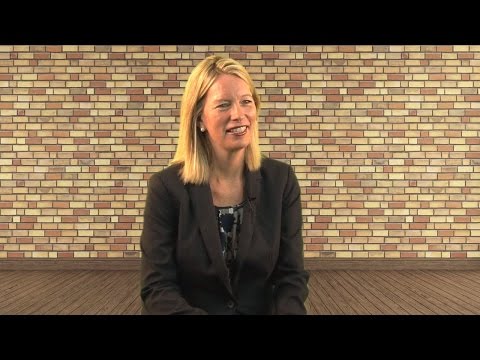
Ever wonder what really happens in a legal video deposition? Like, why does it matter?
Picture this: you’re watching a courtroom drama, and suddenly, they’re showing clips of someone testifying from a video. Kinda wild, right?
In the U.S. jury system, these video depositions play a pretty big role. They’re not just for show; they have real weight in trials.
So, let’s break it down! We’ll chat about what these depositions are, why they’re used, and how they can totally change the game when it comes to jury decisions. Pretty interesting stuff!
Can Video Evidence Help You Win Your Case? Understanding Its Impact in Legal Proceedings
So, you’re wondering if video evidence can really help you win your case, huh? Well, let’s break it down. Video evidence can be a game changer in legal proceedings. It adds a whole new layer of credibility and clarity that written documents just can’t always capture.
First off, it’s important to know what video evidence actually means in the courtroom. Basically, video evidence includes things like surveillance footage, recorded statements from witnesses (you know, those video depositions), and even body cam recordings from police. The key advantage here is that it shows events as they happened—no bias or interpretation involved.
Now, let’s talk about why this matters.
1. Visuals Matter: Imagine trying to explain something critical in your case without any visual aid. It could get pretty complicated! Video evidence allows jurors to see things for themselves. They can watch a witness’s demeanor and reactions and sometimes get a sense of the atmosphere surrounding an event.
2. Credibility Boost: When you’re presenting a witness’s testimony through a video deposition, it often comes across as more believable than just reading transcripts in court. You see the person speaking—their tone and expressions—which can sway opinions one way or another.
3. Clarity of Events: Sometimes what someone says can be interpreted differently by different people. With video evidence, though, you have a clear depiction of events as they unfolded. This makes it much harder for anyone to argue about what actually happened.
But hold on—video evidence isn’t foolproof. There are some downsides you should keep in mind:
1. Quality Issues: If the video is grainy or hard to hear, it might not be very helpful at all. You want clarity; otherwise, it could confuse more than inform!
2. Manipulation Concerns: Yep—videos can be edited or manipulated too! If there’s any possibility that the footage has been tampered with or taken out of context, its reliability might come into question during trial.
Let me throw an example your way: picture a car accident case where there’s dashcam footage showing one driver running a red light just before the crash. That video becomes crucial evidence—it visually shows what happened and could help prove liability beyond doubt!
When it comes down to using video evidence effectively during trial proceedings, context is everything. Just because you’ve got footage doesn’t mean it’ll automatically sway jurors in your favor—it’s all about how it’s presented and interpreted by those watching.
So yeah! In short, while video evidence can add significant weight to your case and clarify important situations for juries, its impact will depend on quality and presentation—along with how well it’s integrated into your overall argument in court!
Essential Attire Guidelines for Video Depositions: What to Wear for Success
When it comes to video depositions, nailing your look is super important—not just for your comfort, but also for the impression you make on the camera. You want to come across as professional and credible, right? So, let’s dig into some essential attire guidelines to help you dress for success.
Keep It Professional
First off, think business formal or business casual. It’s not just about looking good; it’s about being taken seriously. You don’t want to show up in a t-shirt and jeans unless you’re going for a laid-back vibe that doesn’t fit the situation. Opt for slacks or a skirt paired with a dress shirt or blouse.
Avoid Distracting Patterns
You know those crazy patterns? Yeah, they probably won’t work well on camera. Avoid stripes, polka dots, or anything too flashy because they can make you look jittery on video. Stick to solid colors or subtle textures that convey professionalism without stealing the spotlight.
Choose Appropriate Colors
Bright colors can be fun but may not be the best choice here. Think muted tones like navy blue, gray, or pastels. They tend to look more flattering on camera and help you appear calm and collected. Plus, dark colors can create contrast against lighter backgrounds—so you’re in focus there.
Fit Is Key
This might sound obvious, but make sure your clothes fit well! Baggy stuff can look sloppy while overly tight clothes can be uncomfortable—and we all know how that feeling can ruin your focus during important moments.
Avoid Accessories That Distract
Jewelry may add some flair, but keep it simple. Chunky necklaces or dangling earrings could catch the light in weird ways or create noise when you’re moving around—definitely not ideal during a deposition where clarity is key!
Shoes Matter Too
Even if you’re sitting down most of the time during a video deposition, what you’re wearing on your feet matters! Go with something polished like dress shoes or smart-looking flats. Remember: no flip-flops! They give off that super casual vibe which isn’t exactly what you want when providing testimony.
Be Mindful of Your Tech Setup
Make sure you’re aware of your background too! A cluttered space behind you could detract from your professional appearance. Set up in a clean area with good lighting so there are no shadows making you look either ghostly or washed out.
Practice Makes Perfect
Once you’ve picked out your outfit, take a moment to do a quick test run in front of the camera if possible. Look at how everything appears together: does anything stand out too much? Do feel comfortable? This small step can really boost your confidence during the actual deposition.
Getting dressed right isn’t just about following rules; it’s also about feeling confident when you’re called to share your side of things in these legal situations. And remember: every little detail counts in making that great first impression!
Understanding Federal Rules of Civil Procedure: A Comprehensive Guide to Video Depositions
Understanding the Federal Rules of Civil Procedure can feel like reading a foreign language sometimes, especially when you throw video depositions into the mix. But don’t sweat it! Basically, you want to know how these rules work, particularly regarding taking depositions on video.
What’s a Video Deposition? You might be asking. Well, it’s when a witness answers questions under oath, and this is recorded on video instead of just relying on written transcripts. This can be super helpful in court because it captures the witness’s demeanor and tone.
Why Use Video? One big reason is that it brings the witness to life for the jury. Imagine sitting there and watching someone explain their side with all their emotions visible—it adds a layer of understanding that paper just can’t provide. Plus, if a witness can’t show up in person for trial, you have their testimony handy.
Now, let’s dig into the Federal Rules of Civil Procedure. Specifically, Rule 30 covers depositions—both oral and written. Here’s what you need to know:
- Notice: You have to give both parties notice about when and where the deposition will take place. It needs to be served usually at least 14 days beforehand.
- Recording: When you’re taking a video deposition, make sure it’s recorded properly—that means having good equipment and perhaps hiring a professional videographer.
- Objections: During your deposition, attorneys can object to questions as they would in court. But here’s the twist: those objections usually won’t stop the deposition from happening unless it’s about privilege or some other serious issue.
- Time Limits: The standard time limit for most depositions is one day of seven hours—but maybe more if everyone agrees. Just keep an eye on how long things are going!
- Sharing: Once recorded, both sides generally get access to that video—so no surprises later on!
Now picture this: Sarah’s involved in a messy car accident case. Her injuries are severe enough that she can’t come to court for trial due to her recovery process. So her lawyer decides to conduct a video deposition while she sits comfortably at home with her dog by her side. The jury gets an emotional glimpse into Sarah’s struggles, making them more sympathetic toward her situation.
A Few Practical Tips: It helps if all parties agree beforehand on how everything will go down—like who will operate the camera or how breaks will work during long sessions.
You see? Video depositions are not just legal formalities; they serve real purposes within our justice system—they create connections that mere text can’t capture! By understanding these rules and processes better, you’re setting yourself up with knowledge that’ll go a long way if you ever find yourself involved in legal matters or jury service!
Legal video depositions, huh? It sounds a bit fancy, but let’s break it down because they play a pretty interesting role in the U.S. legal system, especially when it comes to jury trials. So picture this: you’re sitting in a cramped courtroom, and the tension is thick. The jurors are trying to piece together what really happened in a case. That’s where video depositions come into play.
Basically, a deposition is when someone answers questions under oath before the trial actually starts. It’s like a sneak peek into what they’ll say later on the stand. And instead of just scribbling down everything or relying on old school transcripts, these days they often record it on video. That means jurors can see and hear witnesses’ testimony just as if they were there live! Pretty cool, right?
I remember watching a documentary once that showed how powerful this could be. There was this case involving an accident where the witness was really nervous about testifying in front of a jury. You could tell they were shaky and hesitant, which made their account less convincing during trial. But when the jury watched their deposition video, they saw the raw emotion and fear up close. It changed everything for them.
So why do lawyers use these video depositions? Well, for one, they help preserve crucial testimonies from witnesses who might not be able to appear in court later due to illness or other reasons—like moving out of state or even passing away. Plus, seeing someone’s face and hearing their tone can give jurors insights that words on paper just can’t capture.
You might wonder how this all fits into the jury system itself. Jurors have this heavy responsibility to decide what happened based on evidence presented to them. Video depositions add another layer—they can help make those decisions more informed since they’re viewing actual people sharing their stories rather than just reading black-and-white text.
But here’s the catch: sometimes witnesses get coached or don’t always stick to their stories through various questioning sessions leading up to the trial; it’s not always about truth but perception too! And that’s where things can get tricky for juries since they’re trying to filter out who’s genuine and who might not be.
All in all, video depositions are like window into the past events surrounding a case—giving jurors more tools to navigate through complex situations while making critical decisions about justice and accountability in our legal framework. So next time you hear about one of these depositions being played in court, you might appreciate all that’s riding on those videos! Pretty wild how something so simple can have such an impact, huh?




