
The information provided in this article is intended solely for general informational and educational purposes related to U.S. laws and legal topics. It does not constitute legal advice, legal opinions, or professional legal services, and should not be considered a substitute for consultation with a qualified attorney or other licensed legal professional.
While efforts have been made to ensure the information is accurate and up to date, no guarantees are given—either express or implied—regarding its accuracy, completeness, timeliness, or suitability for any specific legal situation. Laws, regulations, and legal interpretations may change over time. Use of this information is at your own discretion.
It is strongly recommended to consult official sources such as the U.S. Government (USA.gov), United States Courts, or relevant state government and court websites before acting on any information contained on this website or article. Under no circumstances should professional legal advice be ignored or delayed due to content read here.
This content is of a general and informational nature only. It is not intended to replace individualized legal guidance or to establish an attorney-client relationship. The publication of this information does not imply any legal responsibility, guarantee, or obligation on the part of the author or this site.
You know that feeling when you’re about to watch a movie, and a key scene is totally missing? That’s kind of what it’s like when citation numbers go missing in the middle of a jury trial. Yeah, it happens!
Imagine you’ve been picked for jury duty. You’re all set to do your civic duty. Then, bam! Suddenly, those important numbers vanish into thin air.
Pretty frustrating, right? But here’s the thing: this little hiccup can shake up an entire case. So let’s chat about why those citation numbers matter and how courts deal with it when they’re lost. Buckle up!
What to Do If You’ve Lost Your Jury Duty Participant Number: A Step-by-Step Guide
So, you’ve lost your jury duty participant number? Don’t sweat it too much. It happens to the best of us. Here’s how to tackle this situation step by step, so you can get back on track.
First things first: Check your mail. Your participant number usually comes from the court in a jury summons letter. Look for any mail that might have that info tucked away. Double-check with your mailbox, because sometimes we overlook things.
Next up, if you can’t find it in your mail, try visiting the court’s website. Many courts have online systems that let you access your information. Find the “Jury Duty” section and see if there’s an option to look up your participant number using other details like your name or address.
If that doesn’t work, give the court a call. Be ready with some details: like your name, address, and maybe even your birthdate. The staff there typically knows how to help you out quickly. So don’t hesitate to reach out!
Now, if you’re still hitting walls after calling the court, consider visiting in person. This is especially handy if you’re nearby. Bring some ID and any documents related to your jury duty summons—like a copy of the letter if you’ve got it—and ask someone at the clerk’s office for assistance.
Also, remember that there are deadlines involved. If you’ve missed a response date or a reporting date because of this mix-up, make sure to explain what happened when you contact them either online or in person. Courts generally appreciate communication and will often work with you if they see you’re trying.
Lastly, don’t forget about possible rescheduling. If it turns out that not having your number means missing your jury duty date—even by mistake—you might need to reschedule once you get everything sorted out. Make sure to follow any instructions they give you for this process.
Ultimately, losing a jury duty participant number can feel stressful at first but isn’t the end of the world! Just tackle each step calmly and methodically—you’ll have this sorted quicker than you think!
Mastering Dissent Citations: A Comprehensive Guide for Legal Writing
When you’re diving into legal writing, especially in the midst of jury trials, mastering your citations is kind of like having a good compass. You need to know where you’re going. One tricky part can be dealing with those pesky lost citation numbers—especially when it comes to dissent citations. Let’s break this down.
What are Dissent Citations?
Dissents are opinions that disagree with the majority ruling in a court case. Including them helps show different perspectives, which is super vital in legal writing. They add depth and insight into how the law can be interpreted differently.
Why Do Citation Numbers Matter?
When you mention a court decision or a dissenting opinion, you need to provide a citation number so others can track it down easily. It serves as a reference point; without it, you’re kind of leaving readers hanging.
So, what happens if you lose those citation numbers? Well, first off, don’t panic! There are ways to manage this situation effectively.
Addressing Lost Citation Numbers
- Stay Calm: Seriously, it happens! You might forget or misplace citation numbers. Take a deep breath.
- Use Reference Guides: Make sure you’ve got access to legal citation guides like The Bluebook or ALWD Guide to Legal Citation. They can help you track down proper formats and rules.
- Look for Pointers: Check out court documents and opinions from similar cases. Often they’ll have the necessary citation details right there.
- Consult Online Databases: Websites like Westlaw or LexisNexis are treasure troves for finding case law. Use keywords or party names related to your case; you might just find that missing number!
- The Rule of Thumb: If all else fails, cite what you remember but make sure it’s clear that it’s incomplete data. It’s better than leaving it blank!
Citing without Full Numbers
Sometimes you’ll have to include dissenting opinions without full citations due to various reasons—maybe the case is new or not widely reported yet. In these situations:
- Mention Context: Explain the significance of why you’re using that specific dissent and its relevance.
- Add as Many Details as Possible: If possible, include dates and judges involved in the dissent even if you don’t have every number right at hand.
It’s like telling a story—you want readers to see the whole picture even if some parts are slightly blurry.
Anecdote Time!
A friend of mine once got totally flustered during his internship because he misquoted a high-profile case during trial prep and couldn’t find the right citation number at all! Talk about stress! But after taking a moment and digging through some online databases, he not only found it but also stumbled upon an insightful dissent that transformed his argument completely!
In summary, losing citation numbers can feel scary but knowing how to address it effectively is key in solid legal writing. Always make sure you’re checking reliable resources while keeping your voice clear and informative so your writing resonates well with whoever reads it—even if they’re jurors who may not have any background in law!
Understanding Your Right to a Jury Trial for Traffic Tickets: What You Need to Know
So, you got a traffic ticket and you’re wondering if you can have a jury trial for that? Well, let’s break it down. You might be surprised to learn that your right to a jury trial for traffic tickets isn’t as clear-cut as you might think.
First off, your right to a jury trial comes from the Sixth Amendment of the U.S. Constitution. This amendment gives people the chance to have a jury decide their fate in criminal cases. The twist is, most traffic violations are considered civil matters, not criminal ones. That means you often don’t have that right when it comes to small-time stuff like speeding tickets.
Now, don’t be too quick to dismiss your chances here! In some states, particularly when it comes to more serious offenses—like DUI or reckless driving—you might actually be able to request a jury trial. If your ticket seems like it could lead to serious penalties or even jail time, then yeah, this is where things get interesting!
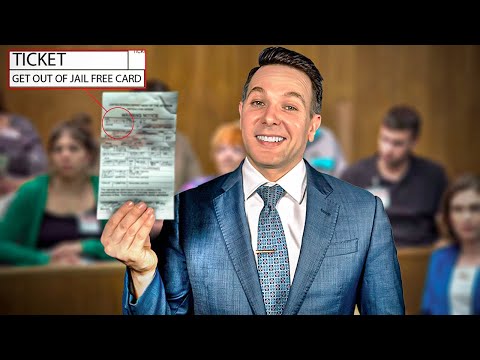
But wait—what if you’ve lost your citation number? Oh boy, that’s a hassle! Losing that number can feel like misplacing your keys before heading out. You know what I mean? So what do you do?
Well, here’s the scoop:
- Contact the Court: Reach out to the traffic court where your ticket was issued. They can help look up your citation details by looking up your name and other info.
- Check Online: Many jurisdictions now offer online tools where you can look up citations by entering some personal info. It’s worth a shot!
- Provide Identification: Be ready with proper ID and maybe even documents related to the ticket—like proof of car registration or insurance—to help make things smoother.
- Be Prepared: If you’re actually contesting the ticket in front of a jury (if allowed), gather any evidence or witnesses who can support your case!
Still feeling unsure about approaching all this? Totally normal! Just remember that navigating legal stuff can sometimes be tricky and bureaucratic red tape makes everything worse.
And here’s something that’ll hit home: I remember when my buddy got pulled over for speeding on his way back from work—total nightmare! He lost his citation but managed to get in touch with the court despite his panic setting in. They helped him find what he needed so he could fight the charge without feeling totally lost.
In short, while most traffic tickets don’t come with an automatic right to a jury trial, knowing how to handle missing citation numbers and understanding what options you have is crucial. You never know when knowing this stuff could save you from unexpected headaches down the road!
You know, it’s interesting how something that seems so small, like a citation number, can actually throw a whole jury trial into a bit of chaos. I mean, imagine you’re sitting on a jury, and you’re all pumped up to get to the bottom of a case. But then—bam!—one of those essential citation numbers goes missing. It’s like losing your keys right before you head out for an important date—frustrating and totally inconvenient!
Now, citation numbers are crucial because they help keep everything organized. They tell the court what evidence is what, making sure everyone’s on the same page. So when one goes missing, it can create confusion and delay things. It’s not just about finding that number; it also affects how smoothly the trial runs. You’ve got jurors trying to piece everything together while the lawyers scramble to address this hiccup.
I remember reading about a trial where this happened. The jury was really invested in the case, but when key evidence was misnumbered or lost altogether, it threw everyone off track. Some jurors felt uneasy about making decisions because they weren’t getting the full picture anymore. Talk about nerve-wracking!
So what do they do in these situations? Generally speaking, courts have some ways of addressing lost citation numbers. They might allow lawyers to clarify and resubmit evidence or provide additional context during testimonies to clear up any confusion.
It’s kind of wild that such little details can have such a big impact on something as significant as justice being served. After all, every single piece of information matters—especially for folks whose lives may hang in the balance based on what that jury decides.
Anyway, if you ever find yourself in jury duty and stuff starts getting tangled up with citation numbers or anything else technical like that—don’t hesitate to speak up! Your role is super important, and clarity helps everyone reach a fair conclusion!




