
The information provided in this article is intended solely for general informational and educational purposes related to U.S. laws and legal topics. It does not constitute legal advice, legal opinions, or professional legal services, and should not be considered a substitute for consultation with a qualified attorney or other licensed legal professional.
While efforts have been made to ensure the information is accurate and up to date, no guarantees are given—either express or implied—regarding its accuracy, completeness, timeliness, or suitability for any specific legal situation. Laws, regulations, and legal interpretations may change over time. Use of this information is at your own discretion.
It is strongly recommended to consult official sources such as the U.S. Government (USA.gov), United States Courts, or relevant state government and court websites before acting on any information contained on this website or article. Under no circumstances should professional legal advice be ignored or delayed due to content read here.
This content is of a general and informational nature only. It is not intended to replace individualized legal guidance or to establish an attorney-client relationship. The publication of this information does not imply any legal responsibility, guarantee, or obligation on the part of the author or this site.
So, picture this: you’re walking through your brand-new home, and that beautiful hardwood floor is just gleaming. You feel like you hit the jackpot, right? Then boom! You hear about a lawsuit involving the very flooring you chose.
Yeah, that’s happening with Lumber Liquidators. People are buzzing about whether those trendy floors might be more trouble than they’re worth.
Now, a jury is weighing all the evidence to figure out if there was any foul play. The stakes are high, and folks on both sides are glued to this case.
You can’t help but wonder what this could mean for everyone involved – homeowners and the company alike. Seriously, it’s got everyone talking!
LL Flooring’s Rebranding: Has the Company Returned to Lumber Liquidators?
LL Flooring’s Journey Back to Its Roots
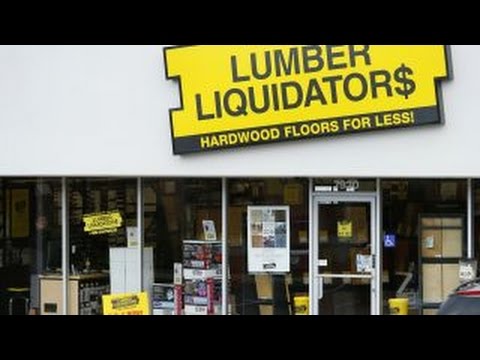
So, here’s the scoop. LL Flooring, which you might remember as Lumber Liquidators, has taken some serious steps towards rebranding. The company has been through quite a bit over the last few years, and it’s interesting to see how they’re trying to shake off past controversies and start fresh.
In 2015, Lumber Liquidators found itself in hot water when allegations surfaced about hazardous materials in its flooring products. The lawsuit that followed was a huge deal and put the brand’s credibility on shaky ground. If you think about it, we’ve all read those horror stories about toxic flooring—nobody wants that in their home! So they decided to change their name in 2020 to LL Flooring. That’s when they thought a new name would help clear the air.
But here’s where it gets tricky. The recent jury weighing evidence in a Lumber Liquidators lawsuit kinda brings the past back into focus. There have been ongoing issues regarding product safety and claims related to their old branding. It’s tough for them because while they want folks to forget that old name, some people just can’t let go of what happened back then.
When you look at how LL Flooring is positioning itself today, you’ll notice they’re focusing more on transparency and quality control. They claim they’ve implemented better practices, so customers should feel good about buying their products now.
Here are some key points that highlight where LL Flooring stands:
- Commitment to Safety: They’ve introduced stricter standards for testing their flooring materials.
- Product Variety: LL Flooring has expanded its product range significantly since rebranding.
- Focus on Customer Trust: They’re working hard to earn back consumer trust that may have wavered due to previous issues.
So, are they really distancing themselves from Lumber Liquidators? Kinda feels like they’re trying but it’s not as simple as just changing a name. You know how reputation works—it sticks around even longer than a bad cold!
In summary, while LL Flooring is definitely attempting a fresh start with its new identity, ongoing legal battles remind us that the past still casts a long shadow. Whether or not consumers fully embrace this transformation will depend on how well the company delivers on its promises going forward. You follow me? Only time will tell if this rebranding really does lead them away from those infamous days of being known simply as Lumber Liquidators!
Unraveling the Rescue: Key Players Behind the Revival of Lumber Liquidators
The Lawsuit and Allegations
Back in 2015, Lumber Liquidators was hit with serious allegations about the safety of its products. Customers were concerned that the laminate flooring contained high levels of formaldehyde—a chemical linked to cancer. This sparked a class-action lawsuit that drew national attention.
The jury in these cases had to weigh a ton of evidence. They looked over testing results and heard testimonies from customers and experts alike. What they needed to figure out was whether Lumber Liquidators intentionally misled customers regarding the safety of their products.
Key Players in the Legal Drama
The Outcome
After a long and stressful trial process, some cases resulted in hefty settlements while others got dismissed. The outcome varied widely based on how strong each set of facts was presented.
But here’s the thing: Lumber Liquidators didn’t just roll over. They started making changes real quick—like improving their product safety measures and transparency with customers.
Revival Efforts
With new leadership steps taken post-lawsuit, Lumber Liquidators aimed for a comeback. They focused on rebuilding trust and solidifying sales through enhancing product quality rather than just trying to defend themselves in court.
By investing in better manufacturing practices and clearer communication with consumers about product safety, they’ve managed to stabilize somewhat after years of turmoil.
In summary, the saga surrounding Lumber Liquidators showcases some key players who shaped its future—executives grappling with allegations, legal teams battling it out in court, and jurors making tough calls based on complex evidence. Even though those early days looked grim, the revitalization efforts highlight how companies can adapt after major setbacks.
Lumber Liquidators Legal Troubles: A Deep Dive into Controversies and Consequences
It’s been quite a ride for Lumber Liquidators, hasn’t it? The company, known for its hardwood flooring, has faced serious legal troubles. I mean, when you think flooring, you want to trust that your choice is safe and not going to turn your home into a toxic environment. Right?
Background of the Controversy: It all started with allegations that their laminate flooring imported from China contained high levels of formaldehyde. This chemical is often used in building materials but can be harmful at elevated levels.
Dangers of Formaldehyde: Exposure can cause respiratory issues and even cancer after prolonged contact. That’s scary stuff! When homeowners caught wind of this, they weren’t just angry; they were ready to take action.
So, people began filing lawsuits against Lumber Liquidators. They claimed the company misled customers about the safety of its products. In 2015, a major investigation by CBS’s “60 Minutes” brought these issues to light. This put a spotlight on Lumber Liquidators that they probably didn’t want.
Now let’s talk about the legal side of things. With numerous lawsuits piling up, many went to court. A jury’s role here was crucial; they had to weigh evidence from both sides. Imagine having the responsibility of deciding if a company knowingly sold hazardous products!
Many plaintiffs shared their stories in court during these trials—like the family who said their health declined after installing Lumber Liquidators’ floors. You could feel the emotion in those testimonies; it was real and raw.
Now, when we discuss consequences, it gets interesting! In 2016, Lumber Liquidators agreed to pay around $10 million to settle about 300 lawsuits related to the Chinese laminate flooring issue. But that wasn’t just pocket change—it also included plans for testing and remediation.
The fallout didn’t stop there. In fact, in 2019, they faced further legal challenges linked to class-action suits involving homeowners claiming financial losses due to lower property values associated with those bad floors.
This whole saga has raised important questions about consumer safety and corporate responsibility. What happens when a brand you trust turns out not so trustworthy? Can you ever really be sure what’s in your home?
The jury weighing evidence in all these lawsuits has had some tough calls to make. They weren’t just ruling on money damages; they were also determining if consumers deserved reparations for potentially life-altering situations.
It’s like every person involved became part of a much larger conversation about ethics in business and home safety standards as well.
Looking ahead, Lumber Liquidators has taken steps since these events unfolded—maybe trying to regain consumer trust or simply stay out of legal hot water again? Either way, this case remains a significant part of discussions around manufacturing practices and health safety regulations which affect us all.
So yeah—next time you think about flooring options or any household items really… remember this story and maybe do some digging into what you’re buying! Who knows what could be hidden beneath those shiny surfaces?
There’s something a bit surreal about watching a jury take on big corporations, you know? Like, just picture it: a group of regular folks sitting in a room, deciding the fate of a massive company. That’s exactly what went down in the Lumber Liquidators lawsuit.
So, the deal was this. Lumber Liquidators was accused of selling flooring that had harmful levels of formaldehyde, which isn’t just some technical mumbo jumbo—it’s a serious health hazard. People were worried about their families breathing in toxic fumes from their floors—and not without reason. Imagine buying beautiful new flooring for your home and finding out it could be making you sick. It’s like a nightmare for any homeowner!
When the jury started weighing all the evidence, they had to sift through tons of documents and testimonies. You can almost feel the tension in the room as they wondered if Lumber Liquidators really put profits over people. It’s wild to think that these jurors held so much power; their decision could lead to millions in damages or completely clear the company.
What’s fascinating is how personal this case became for those involved. Every piece of evidence wasn’t just numbers or scientific studies; they represented real lives impacted by decisions made at corporate offices far away. Jurors likely thought about their own families while considering what was at stake.
In moments like these, we realize how important everyday citizens are to our justice system. Your neighbor could decide whether a corporation gets to walk away unscathed or face accountability for its actions. And that’s super powerful! The weight of that responsibility must have weighed heavily on them.
When the verdict finally came down, it wasn’t just about justice for supposed harm; it reflected our collective values as a society—health and safety over corporate greed maybe? Regardless of where you stand on this issue, there’s something deeply human about standing up against big entities when they might be doing wrong. It gives you hope and reminds you how vital jury duty is—because sometimes, justice really does come from average people making hard calls about big problems!




