
The information provided in this article is intended solely for general informational and educational purposes related to U.S. laws and legal topics. It does not constitute legal advice, legal opinions, or professional legal services, and should not be considered a substitute for consultation with a qualified attorney or other licensed legal professional.
While efforts have been made to ensure the information is accurate and up to date, no guarantees are given—either express or implied—regarding its accuracy, completeness, timeliness, or suitability for any specific legal situation. Laws, regulations, and legal interpretations may change over time. Use of this information is at your own discretion.
It is strongly recommended to consult official sources such as the U.S. Government (USA.gov), United States Courts, or relevant state government and court websites before acting on any information contained on this website or article. Under no circumstances should professional legal advice be ignored or delayed due to content read here.
This content is of a general and informational nature only. It is not intended to replace individualized legal guidance or to establish an attorney-client relationship. The publication of this information does not imply any legal responsibility, guarantee, or obligation on the part of the author or this site.
Hey! So, have you heard about that big Monsanto class action lawsuit? Yeah, it’s been a hot topic lately.
Imagine being part of something that could change lives, right? The American jury system is such a powerful tool for that. It’s where regular folks like you and me can step up and make a difference.
But what’s the deal with this whole Monsanto thing? And how does this class action work anyway? This isn’t just courtroom drama; it’s real life impacting real people.
Let’s break it down together!
Monsanto Class Action Lawsuit: Insights into the American Jury System Near Colorado Springs, CO
When you hear about a **Monsanto class action lawsuit**, it can get a bit complicated, especially if you’re not familiar with how these things work in the American legal system. Basically, a class action lawsuit groups together many people who’ve suffered similar harm from a company’s actions—like Monsanto in this case.
For those near Colorado Springs, CO, you might have heard about how these lawsuits roll out. With Monsanto, it’s mostly about claims related to their herbicide, Roundup, and its potential links to cancer. So what does all this mean for you and others involved?
First off, let’s get one thing straight: being part of a class action can be empowering. It gives a lot of people a voice they wouldn’t normally have. You know how tough it can be to take on big companies alone? This way, you join forces with others who’ve experienced similar issues.
Here are some insights into how these lawsuits interact with the jury system:
- The Selection of Jurors: In Colorado, jurors are picked randomly from the community. They get calls to serve, and if you’re chosen for one of these cases involving Monsanto, it’ll be your job to listen to evidence presented by both sides.
- The Role of Evidence: During the trial, lawyers from both sides present their evidence and arguments. It’s not just about feeling wronged; it’s about proving that harm was done—so expect experts talking about health risks tied to Roundup.
- Jury Deliberation: After hearing everything, the jury discusses the case privately before making decisions. You might find this part pretty intense since everyone weighs in on what they believe is fair based on what they heard.
- Deciding Compensation: If plaintiffs win the case or reach a settlement, the jury often decides how much compensation is fair for damages. That could mean anything from medical bills to pain and suffering.
Let me share an anecdote that really hits home. Imagine a community of farmers around Colorado Springs—people who have grown up working with crops and land their whole lives. A few years back, they started noticing serious health issues among their peers after using Roundup over decades. One farmer developed cancer and decided he couldn’t stay quiet anymore; he reached out to others facing similar struggles and sparked a class action lawsuit against Monsanto. This lawsuit wasn’t just about him—it became about everyone affected.
This kind of case really shows how crucial juries are in our legal system—they represent ordinary people making decisions that affect other ordinary folks’ lives! The outcome can lead not only to compensation but also create awareness around corporate responsibilities.
To sum up (not that we’re concluding anything here), the interaction between **class action lawsuits** like those against Monsanto and the **American jury system** is pretty profound! Being part of such legal actions makes you realize your power as someone seeking justice within your community while holding corporations accountable.
So next time you hear about something like this happening near Colorado Springs or anywhere else in America—even if it sounds complicated—you’ll have a better grasp on what it’s all about!
Latest Updates on Roundup Settlement: Key Developments and Implications
The Roundup settlement saga has been quite the rollercoaster ride, hasn’t it? If you’ve been following this story, you know it’s about more than just a weed killer. It touches on health concerns, legal rights, and how our jury system operates. Buckle up; here’s the latest scoop!
First off, let’s recap what Roundup is. It’s a popular herbicide made by Monsanto (now owned by Bayer) that has been linked to health issues like cancer, specifically non-Hodgkin lymphoma. People have claimed that exposure to this product caused serious harm, leading many to seek justice through the courts.
Recently, in September 2023, Bayer announced a new settlement framework involving around $10 billion. This is aimed at resolving thousands of lawsuits across the country. Now, that sounds like a big number but let’s break it down a bit more.
- This deal includes both current and future claims—meaning if you or someone you know has been affected and hasn’t yet filed a lawsuit, there might be options available.
- Bayer will also set aside funds for research into alternative weed management strategies and ways to reduce pesticide uses.
- Some claims will be resolved quickly through expedited processes to get compensation into people’s hands sooner rather than later.
So why is this significant? Well, let’s talk about implications for those affected. If you’ve ever watched someone fight against an illness caused by environmental factors like pesticides, it’s heartbreaking. Here’s where the American jury system plays its part—juries help assess whether companies are responsible for the public’s health risks.
You see, when people take these cases to court and juries hear them out, they’re not just deciding one person’s fate; they’re effectively holding large corporations accountable. These jury verdicts can set precedents that influence future lawsuits too.
But there are complications in any mass settlement scenario. Sometimes folks who want their day in court might feel shortchanged because they have to settle instead of going for full trial awards—which can be substantial! There are also questions about whether the settlements are enough when weighed against medical costs or suffering.
Another layer here is that the settlements could influence other companies in similar industries as well. The fear of hefty payouts encourages businesses to consider safer practices moving forward—at least that’s the hope.
It almost feels surreal when you think about how something like Roundup ended up sparking such widespread concern and legal action. It’s about people standing up for their rights against big corporations which can feel daunting.
In short: The Roundup settlement continues to evolve with significant financial implications on multiple levels—from individual claimants getting compensated sooner to broader impacts on industry standards for safety and responsibility.
That said, if you’re curious about your own situation regarding Roundup or any other legal matters connected with it—or just need clarity—don’t hesitate to reach out for guidance tailored specifically for you! The world of law can be pretty intricate sometimes; having someone who knows their stuff can make all the difference.
Miller Law Firm Roundup Settlement Update: Key Developments and Implications
The Miller Law Firm has been in the spotlight with the Roundup settlement update recently, especially as it relates to the ongoing class action lawsuit against Monsanto, which is a major player in the agriculture industry. This lawsuit centers around claims that Roundup, a popular herbicide containing glyphosate, causes cancer. If you’ve heard about this before, you know it’s a huge deal.
Significant Developments have unfolded in this case. Recently, there have been updates regarding settlements for those affected by Roundup. The total amount of money on the table for these settlements runs into billions of dollars. This means that lots of individuals and families who claim they were harmed by Roundup could potentially receive compensation.
Now, what does this mean for you? If you or someone you know has been affected by Roundup and wishes to join this lawsuit, they’re likely looking at a lengthy process. You see, the American jury system plays a crucial role here. In class action lawsuits like this one, juries often help determine fault and the extent of damages.
When we talk about class actions, it’s like gathering a group of people who have similar complaints against a company. Instead of each person filing their own individual lawsuit—which would be super time-consuming and expensive—they come together to present their cases collectively. With Roundup, thousands of plaintiffs are making similar claims about health risks; so bringing them together makes sense.
Another interesting point is the implications of these settlements on Monsanto itself. If they keep facing large payouts due to lawsuits like this one, it could affect their business operation and product sales significantly—not to mention public perception! Imagine being caught up in something like that; it could shake things up real good in how companies handle safety protocols going forward.
In light of everything that’s happening with Miller Law Firm and their involvement in these cases against Monsanto:
- Compensation amounts: The amounts individuals can receive may vary based on several factors like severity of health issues.
- Psyche behind jury decisions: Juries usually are influenced by emotional testimonies alongside factual evidence.
- The legal landscape: This case might set new precedents for future lawsuits involving agricultural chemicals.
So basically, as updates on settlements roll out from Miller Law Firm related to Monsanto’s roundup lawsuit, it’s not just about money—it’s about rights too! The hope is that these legal battles will lead to safer products and better corporate accountability in the long run.
In summary? Keep an eye on how all of this unfolds because it might just change how we view product safety and corporate responsibility forever! It’s kind of wild when you think about it—one case having such far-reaching effects!
You know, when you think about big companies like Monsanto, it can feel pretty overwhelming. I mean, these are massive corporations with deep pockets and a whole lot of power. But then you look at the Monsanto class action lawsuit, and it’s like a snapshot of the American jury system in action. It really makes you consider how this system can serve as a counterbalance to all that.
So, here’s a bit of backstory. This case revolves around allegations that Roundup, a popular herbicide made by Monsanto (now owned by Bayer), causes cancer. Over the years, countless individuals have come forward claiming they developed non-Hodgkin lymphoma after using it. And that’s where the class action comes in—people banding together to hold this giant accountable.
Now, let’s talk about juries for a sec. They’re kind of the heart and soul of our justice system, right? You get regular folks sitting in a room together trying to figure out complicated issues that could affect lives and livelihoods. With the Monsanto case, juries have been faced with mountains of scientific data and expert opinions about glyphosate—the active ingredient in Roundup—which isn’t easy to digest.
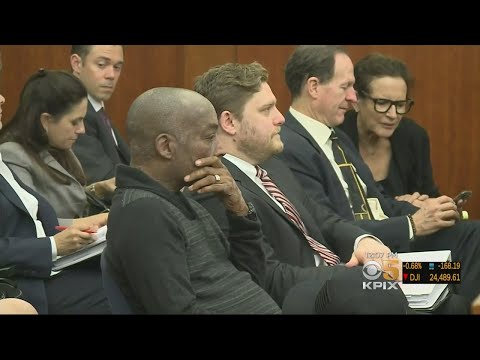
There’s this one story I read about a woman named Dewayne Lee Johnson who was awarded $289 million after a jury found that Roundup contributed to his cancer diagnosis. Can you imagine how life-changing that verdict was for him? It wasn’t just about winning money; it represented a form of justice against an enormous company that many felt had put profits before safety.
But here’s where it gets tricky: The jury didn’t just pull their decision out of thin air; they were responsible for evaluating evidence under intense pressure from both sides. It’s intense! You have lawyers arguing passionately while jurors are sitting there with everything weighing on them—seriously nerve-wracking stuff. Some people might wonder if everyday folks should be making such huge decisions about something so technical and deeply nuanced as chemical safety.
It really shows how important our legal rights are and how crucial it is for people to stand up against potential injustices—even when they face giants like Monsanto. The jury system allows those voices to be heard, even if it’s at times messy or imperfect.
And let’s not forget: verdicts can go either way! Not every person affected by Roundup has won their cases—a reminder that not all battles end in triumph. Still, there’s something admirable about fighting back as a collective group instead of feeling powerless alone.
In the end, whether you’re rooting for the plaintiffs or looking at things from a more critical angle on the jury’s role—you see humanity at work in these courtrooms. It feels grounding to realize there are still spaces where ordinary people can challenge power structures and seek some form of accountability in society today.




