
The information provided in this article is intended solely for general informational and educational purposes related to U.S. laws and legal topics. It does not constitute legal advice, legal opinions, or professional legal services, and should not be considered a substitute for consultation with a qualified attorney or other licensed legal professional.
While efforts have been made to ensure the information is accurate and up to date, no guarantees are given—either express or implied—regarding its accuracy, completeness, timeliness, or suitability for any specific legal situation. Laws, regulations, and legal interpretations may change over time. Use of this information is at your own discretion.
It is strongly recommended to consult official sources such as the U.S. Government (USA.gov), United States Courts, or relevant state government and court websites before acting on any information contained on this website or article. Under no circumstances should professional legal advice be ignored or delayed due to content read here.
This content is of a general and informational nature only. It is not intended to replace individualized legal guidance or to establish an attorney-client relationship. The publication of this information does not imply any legal responsibility, guarantee, or obligation on the part of the author or this site.
So, let’s chat about something that’s been making waves in the legal waters lately—qualified immunity.
You’ve probably heard it tossed around, especially in discussions about police accountability and civil rights. It’s a pretty big deal, you know?
Now, New Mexico has its own unique take on this whole thing. Picture this: a state with stunning landscapes and rich history, grappling with some heavy questions about justice and fairness.
How does qualified immunity fit into all of that? Well, it gets complicated! You can see how folks are riled up about the system that sometimes lets bad actors off the hook.
Stick around as we dig into what this all means for New Mexico and beyond. It’s a wild ride!
Understanding Qualified Immunity in New Mexico: Legal Perspectives and Implications
Qualified immunity is a legal doctrine in the United States that shields government officials, like police officers, from liability for civil damages as long as their actions did not violate clearly established statutory or constitutional rights. This idea gets a little tricky, especially when you look at how it plays out in states like New Mexico.
In New Mexico, qualified immunity works pretty much the same way as it does elsewhere, but there are some nuances worth noting. The courts here have been increasingly scrutinizing how qualified immunity is applied. You see, courts won’t just give an automatic pass to officials; they actually consider whether the rights violated were “clearly established.” The goal here is to balance accountability with protecting officials who might be making tough calls on the job.
To really get this concept, imagine a scenario where an officer uses force during an arrest. If that officer’s actions can be connected to previous cases where similar conduct was deemed unreasonable, then they might not get qualified immunity. But if there’s no precedent showing that what they did was wrong at the time, they could be protected under this doctrine.
The implications of qualified immunity are significant in New Mexico. For one thing, it can limit individuals’ ability to hold law enforcement accountable when things go south. Victims of misconduct may feel like they hit a brick wall when trying to claim damages because of this barrier. This has sparked debates in communities and among activists calling for changes to how accountability works.
Moreover, New Mexico lawmakers have even considered bills aimed at amending or eliminating qualified immunity altogether! That’s pretty big stuff since it touches on fundamental questions about officers’ roles and responsibilities during encounters with civilians.
Consider this: Some individuals believe that abolishing or reforming qualified immunity would lead to better policing practices. They argue that if officers knew they could be held personally responsible for their actions, they’d think twice before using excessive force or making questionable decisions.
On the flip side are those who say that without this protection, police might hesitate too much during critical moments—potentially putting themselves and others at risk due to fear of lawsuits.
In recent years, you may have noticed more conversations about accountability and transparency within law enforcement agencies across New Mexico. Advocates often argue for clearer guidelines and training so officers can navigate complex situations while being aware of their legal protections and limitations.
So where do we stand now? Well, qualified immunity continues to be a hot topic in legal circles and community discussions alike. As new cases arise and social perspectives shift—especially after high-profile incidents involving law enforcement—the future of this doctrine in New Mexico remains uncertain yet vital in understanding our broader legal landscape.
Overall, while qualified immunity serves a purpose by offering some level of protection for government officials doing difficult jobs—it also raises crucial questions about justice and accountability for citizens affected by those actions. And navigating those waters? It’s going to take ongoing dialogue mixed with a dash of reform effort from both sides!
Understanding the New Mexico Civil Rights Act: Key Provisions and Impact on Legal Protections
The New Mexico Civil Rights Act is an important piece of legislation that aims to make a real difference in protecting the rights of individuals within the state. You might be curious about what it actually does and how it interacts with concepts like qualified immunity. Well, let’s break it down.
First off, this act was passed in 2021. Its main goal is to enable individuals to hold government officials accountable if they violate civil rights. This is especially relevant when you think about situations involving police misconduct or other forms of state abuse. Basically, it opens up avenues for victims to seek justice when their rights are trampled on.
One of the key points is that the New Mexico Civil Rights Act allows plaintiffs to sue for damages when their civil rights are violated. This includes a range of protections—from freedom of speech to protection against unreasonable searches and seizures. So, if a police officer uses excessive force during an arrest, you can pursue legal action under this act.
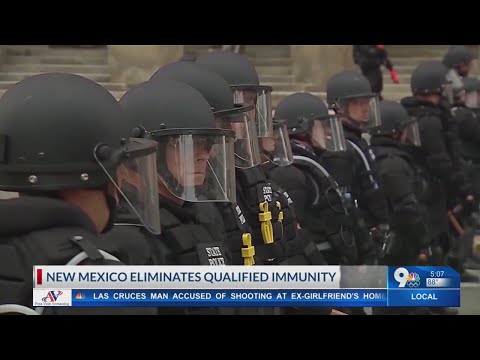
- Eliminates Qualified Immunity in Certain Cases: This act limits the scope of qualified immunity for government officials in New Mexico. What that means is officials can’t hide behind this doctrine as easily anymore. If they violate clearly established rights, they can be held liable.
- Wider Reach: The act doesn’t just apply to law enforcement; it covers a variety of state and local officials. So whether it’s school administrators or health department workers, they’ve got some accountability hanging over them.
- Civil Remedies: Victims now have clearer paths to recovery—whether that’s monetary damages or injunctive relief—which means the courts could order officials to change their behavior moving forward.
You know how sometimes people feel like they can’t speak out against authority because they’re afraid nothing will happen? This law changes that narrative in many ways. The fear factor gets dialed down a bit because now there’s a legal framework backing those who want to stand up for their rights.
An example could be if someone feels unjustly treated by a city employee who discriminates against them based on race or disability; under this act, they might have more leverage than before to bring forth their complaint without worrying about being dismissed right off the bat.
This also reflects a growing trend across various states regarding civil rights protections; people want accountability when things go wrong. New Mexico’s move here could inspire similar laws elsewhere and set a precedent for how states view qualified immunity and civil liberties.
The overall impact? The New Mexico Civil Rights Act provides necessary legal protections alongside empowering citizens with tools they need for advocacy and justice while simultaneously pushing back against systemic issues within government structures.
In sum, this legislation embodies a strong step towards enhanced accountability and civilian empowerment in New Mexico’s legal landscape—something that many folks hope will ripple out into even broader reforms nationwide!
Exploring States Without Qualified Immunity: Implications for Civil Rights and Accountability
Qualified immunity is a legal doctrine that shields government officials from being held personally liable for constitutional violations, as long as the rights they violated weren’t “clearly established” at the time. This has sparked loads of debate, especially when you look at states like New Mexico, where discussions about this doctrine have led some to consider doing away with it altogether.
Now, if a state decides to eliminate qualified immunity for its officials, it could really shake things up in terms of civil rights and accountability. You see, without this shield, victims of civil rights violations might have a better chance of getting justice. Think about it: less protection for police or other officials means more potential accountability for bad behavior. That’s something folks often cheer for!
So here’s what that could mean:
- Increased lawsuits: You might see more civil lawsuits against officers or officials. Without qualified immunity, people are more likely to feel empowered to stand up for their rights when they’ve been violated.
- Behavior change: Knowing they can be sued could lead some law enforcement officers to think twice before overstepping their bounds.
- Bigger financial impacts: More lawsuits may lead to higher costs for local governments. Cities might need to allocate funds differently because they’re facing potential payouts from civil suits.
But it’s not all sunshine and rainbows. Dismantling qualified immunity can also bring challenges:
- Pushing back against crime: Some argue that without those protections, cops might hesitate during critical situations for fear of personal liability.
- Tougher recruitment: If becoming a police officer means risking your savings or home due to potential lawsuits, fewer folks may want to sign up.
Anecdotally, think about someone like Ivan; he lived in a neighborhood where excessive force by police was a frequent issue. When he finally stood up and faced off with law enforcement after an incident involving his friend getting wrongfully arrested, he thought about filing suit but hesitated because of the daunting barriers qualified immunity presented. If New Mexico or other states had eliminated that barrier already? Well, Ivan may have felt less intimidated and more inclined to seek justice.
Overall, the conversation around qualified immunity in New Mexico, and similar places considering this move is important for shaping the landscape of civil rights and government accountability in America. It’s all about finding that balance between protecting officers doing their jobs and ensuring citizens have avenues for justice when things go sideways—because everyone deserves their rights respected!
Qualified immunity—sounds like a snooze-fest, right? But hang on, because when you dig a little deeper, you see how it affects so many lives. This concept is particularly alive in New Mexico right now, and it’s stirring up conversations about accountability for law enforcement.
So here’s the deal: qualified immunity protects government officials, especially police officers, from being sued for actions taken while performing their duties unless they violated a clearly established statutory or constitutional right. It’s like an invisible shield, allowing them to act without the fear of being dragged into court every time someone feels wronged. And that’s where the debate kicks in.
Imagine a small town in New Mexico. A young man goes out one night and has an encounter with the police that doesn’t go as it should. Maybe he feels his rights were violated; maybe he thinks excessive force was used. He feels powerless because bringing a case against those officers can feel like climbing a mountain without gear—almost impossible! It’s frustrating and disheartening when people think they’re left with no real recourse.
In New Mexico, folks are starting to rally around the idea of reforming qualified immunity laws. Many believe this would create more accountability within law enforcement. Can you blame them? People want to feel safe and trust that when they call the cops, they’re gonna be treated fairly. This isn’t just about one incident; it’s about building community trust and ensuring everyone knows their rights matter.
But here’s the kicker: opponents argue that getting rid of qualified immunity could lead to chaos, with officers hesitating to act for fear of being sued all the time. There’s this balancing act between protecting individual rights and ensuring public safety through effective policing. So where do we draw the line? It’s definitely a tough question.
New Mexico’s tackling this issue head-on, toeing that line between advocating for civil rights and supporting law enforcement’s ability to function effectively. It reminds us that our legal system isn’t just black-and-white; it’s filled with shades of gray where real human stories unfold—stories of struggle, injustice, hope, and change.
What happens next in New Mexico could set the stage for other states grappling with similar issues. If there is one thing we can take away from all this chatter about qualified immunity, it’s how deeply intertwined our laws are with everyday lives—and how important it is for us all to stay informed and engaged in these crucial debates!




