
The information provided in this article is intended solely for general informational and educational purposes related to U.S. laws and legal topics. It does not constitute legal advice, legal opinions, or professional legal services, and should not be considered a substitute for consultation with a qualified attorney or other licensed legal professional.
While efforts have been made to ensure the information is accurate and up to date, no guarantees are given—either express or implied—regarding its accuracy, completeness, timeliness, or suitability for any specific legal situation. Laws, regulations, and legal interpretations may change over time. Use of this information is at your own discretion.
It is strongly recommended to consult official sources such as the U.S. Government (USA.gov), United States Courts, or relevant state government and court websites before acting on any information contained on this website or article. Under no circumstances should professional legal advice be ignored or delayed due to content read here.
This content is of a general and informational nature only. It is not intended to replace individualized legal guidance or to establish an attorney-client relationship. The publication of this information does not imply any legal responsibility, guarantee, or obligation on the part of the author or this site.
So, let’s chat about jury trials. You know, those dramatic moments you see in movies? The suspense, the gasp-worthy objections? It turns out, it’s not just Hollywood hype.
In real life, jury trials are a huge deal in the American legal system. They’re where everyday people like you and me get to weigh in on what’s right and wrong. Sounds kind of cool, right?
But there’s a lot more to it than just throwing out “I object!” and hoping for the best. Legal objections play a massive role in how trials unfold. They can change everything.
Ever find yourself wondering how that all works? Well, buckle up! We’re about to take a closer look at jury trials and those crucial objections that keep things from getting messy (or more messy, I guess).
The Significance of Jury Trials in the American Legal System: Ensuring Justice and Fairness
Jury trials are a fundamental part of the American legal system, ensuring that justice is served fairly and transparently. They hold a special place in our hearts and history, like an old friend who’s always there when you need them. Picture this: a group of people from your community coming together to decide the fate of someone accused of a crime. Sounds pretty intense, right? That’s exactly what happens in a jury trial.
When you think about it, jury trials provide several key benefits that help maintain fairness in the justice system. First off, they promote public participation. How cool is it that ordinary citizens get to play such a critical role? You know how sometimes you just want to have your say in something important? Well, jurors do just that! They listen to evidence and testimony presented in court and then deliberate to reach a verdict based on what they believe is just.
Another significant aspect is checks and balances. Think of juries as a safeguard against the potential abuse of power by judges or prosecutors. If someone feels wronged or overcharged, jurors can bring their unique perspectives right into the courtroom. They weigh the facts without being influenced by legal jargon or biases from lawyers. It’s like a reality check—keeping things grounded and relatable.
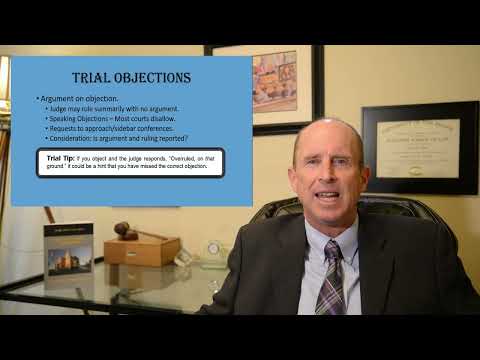
Now, let’s talk about how this all meshes with legal objections. During trials, attorneys can raise objections—basically challenges—against evidence or procedures they believe to be unfair or improper. This helps ensure that only relevant information reaches the jury. For example, if one side attempts to bring up evidence that was obtained unlawfully, the other side might shout “Objection!” The judge will then rule on whether it should be allowed. This back-and-forth keeps things balanced.
Sometimes, though, things can get tricky with these objections. Imagine you’re sitting on a jury, trying your best to stay focused when suddenly there’s an objection over something you don’t fully understand. It can feel like being pulled out of your comfort zone! But the beauty is that these procedural rules are meant to protect everyone involved—ensuring no one gets blindsided by irrelevant or unfair information.
Another point worth noting is how juries reflect diverse viewpoints. When you have folks from various backgrounds and experiences serving together, it leads to richer discussions during deliberation. Having multiple perspectives means different considerations get taken into account while deciding what justice looks like for each case. It helps break down biases and assumptions.
Sure, there are critics who argue about some inefficiencies in jury trials; they take time and can be costly for everyone involved. Yet replacing them entirely would strip away those vital elements of community engagement and fairness we’ve talked about.
In sum, jury trials stand as one of America’s proudest traditions—the embodiment of what democracy looks like inside our courts! They encourage public participation while ensuring checks against misuse of power and providing diverse viewpoints essential for fair judgments. You might even say they’re our collective way of saying we care about justice because every single voice matters in making sure it isn’t just served but truly delivered!
Exploring the Four Types of Court Objections: A Comprehensive Guide
So, let’s talk about court objections. They’re pretty crucial in any jury trial or legal proceeding. You know, when lawyers raise a fuss about something they think isn’t right or fair during the trial. There are actually four main types of objections you’ll come across, and understanding them can really help you get the hang of how things work in the courtroom.
1. Relevance Objections
First off, there’s the relevance objection. This is all about keeping things on point. If a lawyer thinks that a piece of evidence or testimony doesn’t relate to the case at hand, they’ll object. Imagine if someone started talking about their vacation while trying to prove a theft case—total distraction! The judge decides whether it’s relevant or not.
2. Hearsay Objections
Next up is hearsay. This one’s kind of tricky! Basically, hearsay refers to statements made outside of court that are used to prove something inside court without actually having the original speaker present. For example, if someone tries to say what their neighbor said about an incident without bringing in that neighbor as a witness—that would be hearsay! Courts don’t like this because it’s hard to verify if what was said is true.
3. Leading Questions Objections
Then you have leading questions objections. This happens mostly during direct examination when a lawyer asks questions that suggest a particular answer instead of letting the witness tell their story freely. Picture this: “You saw Mr. Smith at the store holding the stolen goods, didn’t you?” That’s leading! Lawyers have to keep things open-ended to get genuine responses.
4. Speculation Objections
Finally, we have speculation objections—this one pops up when someone asks witnesses to guess or assume something they can’t know for sure. Like if a witness tries to explain why they think someone acted a certain way without actual evidence backing it up—that’s not cool! The courts want facts, not guesses.
You see? These friendly little roadblocks help keep trials fair and focused on what really matters—the facts and evidence! Each type serves its purpose in making sure everything’s on track and rules are being followed correctly.
And just imagine being in that courtroom atmosphere where tension hangs thick like fog on a chilly morning—when an attorney raises an objection and everyone freezes for that split second before the judge makes a ruling! It keeps everyone on their toes and keeps justice flowing properly.
In short, knowing these types of objections can make following along with legal proceedings so much easier for you—and who knows? Maybe one day you’ll find yourself serving on a jury where this knowledge comes in handy!
Exploring the American Jury System: Three Key Pros and Cons You Should Know
The American Jury System: A Double-Edged Sword
The jury system in the U.S. has been around for centuries, and it plays a crucial role in the legal process. You might be curious about its perks and problems. So, let’s break down three key pros and cons that you should know.
Pros
Cons
The American jury system is kind of like riding an emotional rollercoaster—you’ve got highs when justice feels served but lows when biases creep in or cases drag on longer than they should. Overall, knowing these pros and cons gives you some solid context for understanding this crucial part of our legal landscape!
You know, when you think about jury trials and all the legal stuff that goes on in a courtroom, it can get pretty complicated. Imagine sitting there, waiting to hear someone’s fate based on what a group of strangers thinks. It’s kind of intense, right? And then you’ve got all these legal objections popping up, like surprise guests at a party nobody invited.
So here’s the deal: jury trials are a cornerstone of our justice system. They’re designed to give ordinary people a say in legal matters. And if you think about it, it’s really cool. You’ve got twelve folks from different walks of life coming together to deliberate. They listen to evidence, munch on snacks—well, maybe not those terribly stale crackers—and ultimately decide whether someone is guilty or not.
But let’s take a moment to talk about objections because they can turn things upside down real quick. Imagine you’re watching a movie and someone keeps hitting pause every few minutes—frustrating, right? That’s kind of what happens in court sometimes. An attorney might object because they believe the opposing side is introducing something that shouldn’t be heard by the jury. Could be hearsay or some evidence that was obtained incorrectly.
I remember this one time while watching a trial on TV (yes, I’m that person), an attorney objected so often that it felt like every other word out of their mouth was “objection!” It seriously made me wonder how the jury could keep focus with all that back and forth. The judge would either sustain or overrule those objections like an experienced referee trying to keep players in check. It shows just how important those legal rules are—they’re there for fairness and clarity.
And here’s the kicker: if you think about it hard enough, the way objections work can sometimes change the outcome of a trial completely! A single well-placed objection can mean the difference between winning and losing your case. It’s wild how much power lies in those little phrases.
So yeah, while jury trials let everyday people join in on justice, without understanding objections and their impact—it just doesn’t feel complete. One moment could change everything; it’s like we’re all living through some high-stakes drama every day when lawsuits are involved! It really highlights how dynamic and unpredictable our legal system can be—kind of thrilling when you think about it!




