
The information provided in this article is intended solely for general informational and educational purposes related to U.S. laws and legal topics. It does not constitute legal advice, legal opinions, or professional legal services, and should not be considered a substitute for consultation with a qualified attorney or other licensed legal professional.
While efforts have been made to ensure the information is accurate and up to date, no guarantees are given—either express or implied—regarding its accuracy, completeness, timeliness, or suitability for any specific legal situation. Laws, regulations, and legal interpretations may change over time. Use of this information is at your own discretion.
It is strongly recommended to consult official sources such as the U.S. Government (USA.gov), United States Courts, or relevant state government and court websites before acting on any information contained on this website or article. Under no circumstances should professional legal advice be ignored or delayed due to content read here.
This content is of a general and informational nature only. It is not intended to replace individualized legal guidance or to establish an attorney-client relationship. The publication of this information does not imply any legal responsibility, guarantee, or obligation on the part of the author or this site.
So, like, have you heard about the Old Spice lawsuit? It’s kinda wild. This whole thing is shaking up how we think about juries in America.
Picture this: a bunch of guys just trying to smell fresh, and suddenly they find themselves in a courtroom drama. Crazy, right? It’s not just about aftershave anymore; it’s pushing some serious buttons in the legal world.
You might be wondering, what’s the deal with juries? Well, let me tell you—this case is showing us how jurors really tick and what influences their decisions. Seriously fascinating stuff! Buckle up; we’re diving into how this all connects.
Legal Concerns Surrounding Old Spice Deodorant: What Consumers Should Know
The buzz around Old Spice deodorant has sparked some serious conversations about legal issues and consumer rights. Recently, a lawsuit caught attention, raising questions about what you should know as a consumer. So let’s break it down.
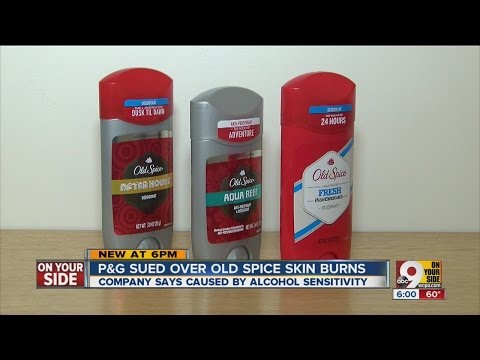
First off, the suit claims that certain Old Spice products caused skin irritation and other adverse reactions. Consumers are concerned when their favorite products lead to unexpected skin rashes or burns. It makes you think twice before reaching for that stick, right?
Understanding FDA Regulations is key here. The U.S. Food and Drug Administration (FDA) regulates cosmetic products like deodorants but doesn’t require pre-market approval. This means companies like Old Spice can put their products out there without extensive testing first. It raises the question: How safe is safe enough?
Now, when you hear “class action lawsuit,” it refers to a group of people with similar complaints combining forces against a company. If you’ve experienced issues after using Old Spice, you might be part of such a case without even knowing it!
In court, jury dynamics play a big role in how cases unfold. Jurors bring their own experiences and opinions into the mix, which can influence their verdicts on matters like product safety or corporate responsibility. You might think jurors are just there to listen to evidence and make decisions based on facts—that’s partly true—but personal stories often sway them more than hard data.
Another layer to this is burdens of proof. In civil cases like this one, the plaintiff (that’d be the person suing) typically needs to show that there’s more than a 50% chance that the defendant (Old Spice) caused harm through negligence or deceptive practices. That’s tough! Evidence has to be pretty solid to convince jurors.
Also important? Understanding consumer rights. You have a right to know what’s in your products and how they affect your health. If companies mislead consumers about safety or performance—yeah, they could face lawsuits for that.
Anecdotes from people affected can really help paint a picture for jurors too! Imagine someone sharing how they used Old Spice for years without issue but suddenly faced serious skin problems after switching scents—that personal touch can hit home.
So yeah, if you’re worried about Old Spice deodorant—whether it’s due to sensitive skin or other concerns—stay informed. Keep an eye on legal developments surrounding it and remember your rights as a consumer because they matter in shaping our everyday choices!
Understanding Your Rights: Can You Sue Old Spice for Chemical Burns?
So, you’ve heard about the buzz around Old Spice and some complaints about chemical burns, huh? It’s pretty wild how personal care products can lead to serious issues. Let’s break this down and see what’s going on regarding your rights if you think you’ve been burned—literally—by Old Spice.
First off, it’s important to know that when someone claims a product caused them harm, they might consider sueing the company behind it. In legal terms, this usually falls under product liability law, which holds manufacturers responsible for defects in their products—whether it’s something seriously wrong with the product or just not being safe for consumers.
So here’s the thing: if you’ve experienced chemical burns after using Old Spice, you’ll want to look at a few key areas:
- Proving Negligence: You have to show that Old Spice didn’t meet certain safety standards or failed to provide adequate warnings about potential side effects. If they knew their product was causing burns but didn’t act, then there might be a case.
- Causation: It’s essential to connect your injuries directly to using their product. This means, like, getting medical documentation showing the burns are linked to Old Spice specifically.
- Consumer Safety Regulations: Products need to comply with federal and state safety regulations. If Old Spice cut corners or used harmful chemicals without properly warning you? Well then, that could strengthen your case.
- Timing: Each state has its own statute of limitations—the time limit on how long you have after an incident to file a lawsuit. So it’s crucial not to sit on this for too long!
Let me tell you a bit more about what “product liability” really means in real life. Remember that story about a guy who used a hair spray and ended up with severe scalp burns? He successfully sued because he proved the company did not warn users about certain chemicals in their product—it was super eye-opening!
Now, let’s talk jury dynamics. If this goes to court—and it could!—a jury would hear both sides of the story. They’ll be weighing *your* evidence against whatever defense Old Spice throws at them. Juries often decide these cases based on emotional appeal as much as hard facts. Think of it: they want stories that resonate with them.
But here’s where it gets tricky: juries also look for credible evidence and expert testimonials regarding ingredient safety and whether anyone questioned these practices before you got hurt. This can all play into how they view negligence.
Honestly, navigating this whole process can be overwhelming! You might want to consult with a legal professional who specializes in personal injury or product liability cases. They’ll help guide you through building your case based on all those facts we’ve talked about.
In summary: yes—you *can* potentially sue Old Spice if you’ve suffered chemical burns from their products—but there’s quite a journey ahead before getting there! It’s vital that you’re ready with solid proof and understand the ins and outs of product liability law so you can fight for your rights effectively!
Understanding Legal Implications of Old Spice Total Body Burns: Consumer Rights and Liability
So, let’s chat about the whole situation with Old Spice and those total body burns. It’s a bit of a mess, and it has some serious legal implications that could affect consumer rights and liability. To give you the rundown, a bunch of folks have claimed that using Old Spice products led them to experience painful skin reactions. Ouch, right?
First off, what does this mean for consumers? Well, when you buy a product, you have the right to expect it to be safe. If something goes wrong—like ending up with burns from a deodorant—you might think about filing a complaint or even a lawsuit. Under U.S. law, consumers are protected by something called “product liability.” This means that if a product is defective or dangerous, the manufacturer can be held responsible for any harm caused.
Here are some key points related to consumer rights and liability in this case:
- Product Safety Standards: Manufacturers have a responsibility to ensure their products meet certain safety guidelines. If they fail to do so, they’re at risk of being liable for injuries.
- Types of Liability: There are generally three categories: design defects, manufacturing defects, and failure to warn. In this scenario, if Old Spice knew about potential issues but didn’t warn users properly, they could face serious consequences.
- Class Action Lawsuit: When multiple people suffer similarly from the same product (like those burns), they might join forces in what’s called a class action lawsuit. This can make it easier for individuals to seek justice without bearing all the costs alone.
- Evidentiary Requirements: Those suing will need evidence showing there was indeed damage caused by the product; this can include medical records showing injuries.
Now let’s talk about just how complex things can get in court. You’ve got juries deciding who’s right or wrong based on what they hear. If jurors find enough compelling evidence against Old Spice—like testimony from affected users or expert opinions on skin safety—they could rule in favor of the plaintiffs.
And then there’s the emotional side of things! Imagine being one of those consumers dealing with severe reactions just trying to smell nice—you’d want someone held accountable! It brings real human experiences into what can often feel like cold legal talk.
The jury system does seem like it could play a big role here too. What happens in cases like these often hinges not just on facts but how well attorneys present them—and if jurors resonate with victims’ stories.
In essence, while brands like Old Spice want you thinking about fresh scents and confidence boosts, behind that sleek bottle lies a web of legal responsibility. Consumers need protection and accountability when products go wrong; it’s all part of keeping markets fair and safe.
Ultimately, understanding these concepts is vital—for consumers and manufacturers alike! Whether you’re worried about personal health or corporate accountability, knowing your rights helps make sense of the chaos when something goes awry.
You know, the Old Spice lawsuit really gives you a peek into how jury dynamics work in the U.S. legal system. It’s wild to think that a company known for its humorous ads could end up in hot water over marketing claims. But here’s the thing: when you step into a courtroom, especially with a jury involved, it’s not just about the law. It’s also about human emotions and perceptions.
Picture this: imagine you’re sitting in that jury box, surrounded by folks from all walks of life, trying to make sense of some fancy legal jargon thrown around by attorneys. This isn’t a scripted show; it’s real life! Everyone brings their own experiences and biases into the mix. In cases like these where branding and public perception are on trial, jurors might find themselves torn between what they think they know about Old Spice and what the law actually says.
Like, what if you’ve grown up using their products? You might be more inclined to defend them simply because of nostalgia. Or maybe you think those commercials are just ridiculous — which could color your view on whether they were misleading or not. That’s where it gets tricky!
The jury’s job is to sift through all that mess and decide based on evidence, but emotions can definitely muddy the waters. And that leads us to a more profound point about justice: it isn’t just black and white. Sometimes it’s gray with different shades of opinion flung in every direction.
And let’s face it — sometimes jurors don’t even want to be there! Can you imagine? They have lives to get back to, maybe work or family commitments pulling at them while they’re tasked with making tough decisions under pressure.
But back to Old Spice — this case shows how companies need to carefully walk the line between clever marketing and truthful advertising. Because once you’re standing before a jury trying to explain why your ad campaign shouldn’t land you in trouble? Well, that’s a different ballgame altogether.
So yeah, this whole situation opens up big conversations about how we perceive brands legally and emotionally. It reminds us that behind every legal case is not just laws but people — people who bring their own stories into that courtroom drama.




