
The information provided in this article is intended solely for general informational and educational purposes related to U.S. laws and legal topics. It does not constitute legal advice, legal opinions, or professional legal services, and should not be considered a substitute for consultation with a qualified attorney or other licensed legal professional.
While efforts have been made to ensure the information is accurate and up to date, no guarantees are given—either express or implied—regarding its accuracy, completeness, timeliness, or suitability for any specific legal situation. Laws, regulations, and legal interpretations may change over time. Use of this information is at your own discretion.
It is strongly recommended to consult official sources such as the U.S. Government (USA.gov), United States Courts, or relevant state government and court websites before acting on any information contained on this website or article. Under no circumstances should professional legal advice be ignored or delayed due to content read here.
This content is of a general and informational nature only. It is not intended to replace individualized legal guidance or to establish an attorney-client relationship. The publication of this information does not imply any legal responsibility, guarantee, or obligation on the part of the author or this site.
So, let’s chat about something you might not think about daily: PACER transcripts. You know, those legal documents that can feel like they’re written in a secret code?
Picture this. You’re in court, and someone’s talking a mile a minute. But later, you want to know exactly what went down. That’s where PACER comes in. It’s like your front-row seat to the show—just in text form.
But seriously, navigating these transcripts can be tricky. They’re not exactly reader-friendly! You might find yourself scratching your head more than once. But don’t worry; I’m here to break it down for you.
Let’s dig into the nitty-gritty of PACER transcripts and make sense of what they are and why they matter. You’ll be feeling like a pro in no time!
Unlocking PACER: Essential Information and Insights You Can Access
You’ve probably heard about PACER, right? It stands for Public Access to Court Electronic Records. Basically, it’s this online system that lets you access federal court documents in the U.S. Whenever someone wants to dig into court records, whether it’s a lawyer, journalist, or just your everyday curious citizen, PACER is one handy tool.
Now, what can you find on PACER? Well, here are some key things:
- Case Documents: You can access a wide variety of documents related to federal cases. This includes everything from complaints and motions to orders and judgments.
- Dockets: Dockets are like the roadmap of a case. They show all the filings and actions that have happened in a case over time.
- Transcripts: If you want to know exactly what was said during a court hearing, transcripts are where it’s at. Just remember, they often come with a fee attached!
If you’re diving into PACER for the first time, get ready for some surprises. The interface isn’t exactly sleek or user-friendly; think vintage web design! But once you get the hang of it, you’ll find tons of valuable information.
Now let’s talk about PACER transcripts. These babies are essential if you’re looking for verbatim recordings of what happened in court. Imagine being in a courtroom filled with tension as a key witness shares their story—the energy can be palpable! Having access to that kind of detail is invaluable if you’re researching cases or writing about legal issues.
However, there are some things to keep in mind when dealing with transcripts:
- Cost: Yes, there’s usually a fee for downloading these documents—around 10 cents per page. If you’ve got a long trial transcript, those costs can add up fast!
- Accuracy: Transcripts are generally pretty reliable but sometimes errors can slip through—like misspellings or misquotes—especially if the transcription service isn’t top-notch.
- Pacing and Clarity: A transcript captures spoken word, which can be less clear than written text. So reading it might feel different than just watching the trial unfold live.
You might also encounter terms like “sealed” documents on PACER. These mean they’re not publicly accessible due to privacy concerns—you won’t be able to just click and view them willy-nilly!
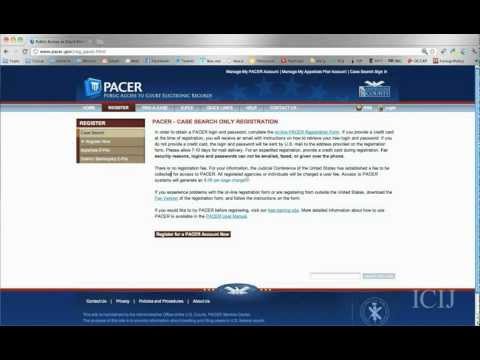
If you want to use PACER effectively: start by creating an account on their site (don’t worry; it’s straightforward). Familiarize yourself with searching capabilities; knowing how to filter results will save you loads of time trying to find specific cases.
The thing is that while PACER opens doors to so much information about our legal system—it does take some effort on your part if you want to fully navigate it efficiently! So gear up and happy searching!
Accessing Court Transcripts on PACER: A Comprehensive Guide
Accessing court transcripts is way easier than it sounds, especially with PACER. It’s like the online portal for court filings and case information in federal courts. You might think, “Why would I even need that?” Well, imagine you’re curious about a case—maybe a family member’s legal trouble or something that caught your eye in the news. Court transcripts can give you the whole story.
First off, **PACER** stands for Public Access to Court Electronic Records. It’s super useful if you’re diving into legal stuff. To access PACER, you’ll need to set up an account. Here’s how:
1. Registering for an Account
You just go to the PACER website and fill out a registration form. They’ll ask for some personal info, but nothing too crazy, just enough to identify you.
2. Logging In
Once your account is set up, log in with your details. It may feel slightly intimidating at first, but don’t worry; it’s pretty straightforward once you’re inside.
3. Searching for Case Information
Now comes the fun part! You can search by different criteria:
- Case Number: If you know this, it’s like hitting the jackpot.
- Party Name: You can search by either plaintiff or defendant.
- Date Range: Helps narrow things down if you’re looking for something specific.
After entering your search criteria, hit that magic button and wait for your results.
4. Finding Transcripts
You might notice a lot of documents popping up—pleadings, motions, and yes, transcripts! Look for anything labeled as “transcript” or simply “TR” in the description.
To access these transcripts:
- You’ll usually see options to view them directly or download them.
- If there are any fees associated (which there often are), they’ll be displayed before you confirm any downloads.
Be aware: fees aren’t outrageous but can add up depending on how much you’re after.
A Little Tip: Sometimes transcripts won’t be available right away—there’s often a waiting period after hearings before they’re uploaded.
Now here’s where things get tricky: **the cost** of downloading those transcripts isn’t always cheap! Generally speaking, it runs about 10 cents per page—but some specific docs can be pricier if they need special handling or formatting.
If you’re doing research on ongoing cases or planning to attend hearings yourself eventually, knowing how to navigate PACER is invaluable.
And just so we’re clear: while PACER gives access to federal court records and transcripts from federal cases only—you won’t find state case documents here!
In summary:
– Register on PACER.
– Log in and use various search criteria.
– Look specifically for transcript files.
– Be ready for possible costs associated with downloads.
That’s basically how you get around PACER! The info might seem overwhelming at first but take it step-by-step—you’ll get there without too much hassle! Exciting stuff awaits; dive into those court documents and see what they reveal!
Understanding PACER: A Comprehensive Guide to Accessing and Utilizing Federal Court Records
The Public Access to Court Electronic Records (PACER) system is where you go if you want to look up federal court records in the U.S. So, if you’re interested in understanding how it works, you’ve come to the right place.
First off, PACER provides access to a ton of information. You can find case dockets, filings, and even transcripts from federal courts across the country. That means whether it’s a bankruptcy case or a civil rights suit, you can check it out. Pretty cool, huh?
Accessing PACER isn’t totally free though. You’ll need to create an account and you’ll generally pay fees based on how much you use it—typically 10 cents per page. But don’t worry; if your bills hit $30 or less in a quarter, they waive the fees!
To get started with PACER:
- Sign Up for an Account: Go to the PACER website and create your account. It’s pretty straightforward.
- Search for Cases: Enter names or case numbers in the search bar. You’ll see options for different court levels like district or appellate courts.
- View Dockets: Once you find your case, click on it to view all filed documents. This usually includes motions, judgments, and various other filings.
- Get Transcripts: If you’re hunting for hearing transcripts, they might cost extra but are usually crucial for understanding the case details.
Now let’s say you’re really digging into something specific—a famous case like “United States v. Microsoft.” You could hop onto PACER and look up all kind of documents related to that trial. The filings can give you insights into legal strategies or even what rulings were made.
But keep this in mind: PACER isn’t exactly user-friendly. It can feel a bit cumbersome navigating through all those pages and files. So don’t be surprised if at first it’s like wandering through a maze! Try taking notes on what you find; it can help keep track of things.
Also important is that some documents just won’t be available through PACER due to confidentiality rules or because they’re sealed by the court—so don’t sweat it if something is missing.
In many ways, PACER is a powerful tool for journalists pursuing stories, lawyers building their cases, or anyone just curious about how federal cases unfold in real life.
So there you have it: A brief walkthrough of using PACER for accessing federal court records. It can feel overwhelming at first but stick with it—you might uncover some interesting stories along the way!
So, have you ever stumbled upon the term “PACER” and wondered what on earth that’s all about? Well, PACER stands for Public Access to Court Electronic Records. It’s this neat little system that lets you dive into federal court records online. If you’re curious about legal cases—maybe because your buddy is going through a divorce or your favorite podcast mentioned a court drama—PACER can give you a front-row seat to the action.
One of the gems in this system is the transcripts of court hearings and trials. Imagine this: you’re glued to your screen, eagerly watching a dramatic trial unfold in real-time, maybe like those courtroom shows we all love. But once it’s over, what if you wanna know exactly what was said? That’s where transcripts come in handy—they’re basically written records of everything that was said during those proceedings.
But here’s the kicker: understanding those transcripts can be a bit tricky. They are filled with legal terminology and jargon that can make your head spin. For instance, if you see “objection” thrown around like candy at a parade, you’re probably gonna feel lost if you don’t know why it matters or what it means in context. So yeah, it takes some patience to really grasp what’s going on.
I remember when my cousin went through a nasty custody battle. She kept mentioning these transcripts and how they could swing decisions one way or another. At first, I thought they were just boring documents full of legal mumbo jumbo. But then I saw her pouring over them late into the night, trying to catch every word. It hit me then how crucial these records could be for someone fighting for their kids or trying to clear their name.
Another thing to keep in mind is that PACER isn’t free; accessing those transcripts can cost money per page! Kinda feels like paying for an unending loyalty program just to peek into someone else’s life story—or case story, I guess!
Overall, while PACER transcripts are pretty valuable tools for anyone wanting insight into legal proceedings, getting comfortable with them requires time and effort. So if you do find yourself sifting through legalese someday, just remember—you’re not alone in the confusion!




