
The information provided in this article is intended solely for general informational and educational purposes related to U.S. laws and legal topics. It does not constitute legal advice, legal opinions, or professional legal services, and should not be considered a substitute for consultation with a qualified attorney or other licensed legal professional.
While efforts have been made to ensure the information is accurate and up to date, no guarantees are given—either express or implied—regarding its accuracy, completeness, timeliness, or suitability for any specific legal situation. Laws, regulations, and legal interpretations may change over time. Use of this information is at your own discretion.
It is strongly recommended to consult official sources such as the U.S. Government (USA.gov), United States Courts, or relevant state government and court websites before acting on any information contained on this website or article. Under no circumstances should professional legal advice be ignored or delayed due to content read here.
This content is of a general and informational nature only. It is not intended to replace individualized legal guidance or to establish an attorney-client relationship. The publication of this information does not imply any legal responsibility, guarantee, or obligation on the part of the author or this site.
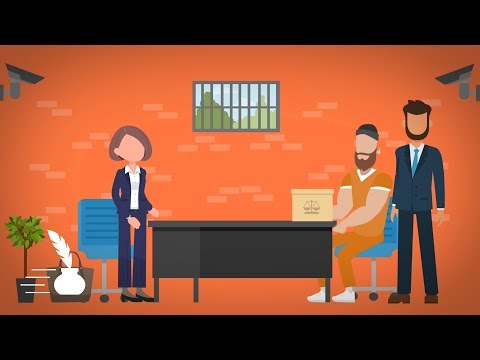
So, let’s chat about plea bargains. You know, that thing you hear about in movies and TV shows? Yeah, it’s real. And it’s kind of a big deal in the American legal system.
Picture this: You’re sitting in a courtroom, and instead of a dramatic trial with lawyers shouting like it’s a blockbuster film, there’s this quiet negotiation happening. Someone’s trying to cut a deal to avoid all that drama. Intriguing, right?
Basically, plea bargains are like shortcuts through the legal maze. They help both sides—prosecutors and defendants—make things easier. But what does that really mean?
Well, buckle up, because this is where things get interesting!
Understanding Plea Deals for First-Time Offenders: Key Insights and Considerations
Sure thing! Let’s break down plea deals for first-time offenders in a way that’s clear and easy to understand.
Plea deals are pretty common in the U.S. legal system, and they often come into play before a trial even starts. You might be wondering, what exactly is a plea deal? Basically, it’s an agreement between the defendant and the prosecutor where the defendant pleads guilty to a lesser charge in exchange for some sort of concession, like a lighter sentence. This can be super helpful for first-time offenders who want to avoid the stress and uncertainty of going to trial.
So here are some key insights:
- Less Stress: Going through a trial can be really overwhelming. Plea deals offer a way to take some of that pressure off.
- Avoiding Harsh Sentences: First-time offenders might face lighter sentences if they accept a plea deal instead of risking harsher penalties at trial.
- Speedy Resolution: Trials can take months or even years to resolve. But with a plea deal, things wrap up much quicker.
- Court Efficiency: The court system is already super busy. Plea deals help reduce case loads by avoiding long trials, which is good for everyone involved.
- Affects Criminal Record: Sometimes, accepting a plea deal can mean getting charged with something less serious. This can help keep your record cleaner in the long run.
Imagine you’re caught shoplifting for the first time. Instead of going through an intense trial where you risk being labeled as a criminal forever, you might have the option to plead guilty to something like petty theft—something that sounds less scary and comes with less severe consequences.
But here’s where it gets tricky: You have to consider what you’re giving up. Accepting a plea deal usually means you’re waiving your right to go through a trial—a big decision! It’s crucial that you fully understand what it means before agreeing.
Another point worth noting is that not all cases are eligible for plea deals. If the charge is particularly serious or if there are specific factors at play (like prior convictions), it may not be on the table. Also, prosecutors don’t always offer deals; their willingness can vary based on the situation.
Now let’s touch on how this all plays out legally. Typically, if someone accepts a plea bargain:
1. They’ll enter their guilty plea in front of a judge.
2. The judge needs to ensure that they understand what they’re agreeing to.
3. After accepting the deal, sentencing usually happens pretty quickly.
Let’s say you took this route but later realized that maybe there were other options or defenses available—those thoughts can creep in! That’s why having some legal guidance beforehand can really make all the difference.
Ultimately, understanding plea deals is essential when navigating through criminal charges as a first-time offender. They can be advantageous but come with their own set of considerations that require careful thought and understanding!
So remember: weigh your options carefully, know what you’re signing up for, and don’t hesitate to ask questions if you’re ever uncertain about anything in this process!
Understanding Plea Bargains: Key Examples and Insights for Legal Practitioners
Plea bargains can feel a bit like a secret handshake in the world of the legal system. They play a significant role, especially in criminal cases. But what are they, exactly? And why do they matter so much?
At their core, plea bargains are deals made between the defendant and the prosecution. The defendant agrees to plead guilty to a lesser charge or receive a lighter sentence in exchange for waiving their right to trial. It’s kind of like saying, “Hey, I’ll own up to this lesser thing if you go easy on me.” This process helps reduce the burden on courts while still delivering justice.
You might be wondering: Why would someone take a plea bargain? Well, there are several reasons:
But hold on; it’s not all sunshine and rainbows, either. Taking a plea can come with risks:
A quick example might help illustrate this better! Imagine someone gets charged with theft worth $1,000. The prosecution has strong evidence against them—maybe they were caught red-handed on camera! The defendant could negotiate to plead guilty to “misdemeanor theft,” which means they’re looking at community service instead of potential jail time for felony theft. In this scenario, taking the deal seems like a smart move!
What’s interesting is that plea bargains also come in different shapes and sizes. There are three primary types:
These types help both sides manage risk and outcomes effectively.
Now let’s talk about how common these things are! Statistics show that about 90-95% of criminal cases resolve through plea bargaining instead of going all the way to trial. That’s wild, right? Essentially, it saves precious court time and resources.
However, it raises some eyebrows too! Some critics argue that this system pushes innocent people into pleading guilty just because they want to avoid harsher penalties if found guilty at trial. It creates pressure that ideally shouldn’t exist!
So when thinking about Plea Bargains, remember: They’re not just fancy legal jargon; they shape real lives every day in courtrooms across America. Understanding how they work is crucial for anyone involved in the legal scene—whether you’re directly affected or just curious about how justice unfolds!
Understanding the Pros and Cons of Plea Bargaining in the Legal System
Plea bargaining is one of those things that many folks might not think about until they find themselves tangled up in the legal system. Basically, it’s an arrangement between a defendant and a prosecutor where the defendant agrees to plead guilty to a lesser charge, or sometimes the same charge, in exchange for a lighter sentence or fewer charges against them. It’s pretty common in the U.S., but it comes with its own set of pros and cons.
Pros of Plea Bargaining
- Saves Time and Resources: Courtrooms can get crowded, and trials can take ages. Plea deals speed up the process, saving time for everyone involved. This means less stress on you as a defendant and on the court system as a whole.
- Reduced Sentences: Often, when someone takes a plea deal, they end up getting a reduced sentence compared to what they might face if they went to trial. It’s like negotiating with your parents when you’ve done something wrong—if you fess up early, you might get out with just a warning!
- Certainty: Trials are unpredictable; juries can be totally swayed by emotions or unexpected evidence. With a plea deal, both sides know what the outcome will be—this predictability can ease some anxiety.
- Less Publicity: Going to trial means more media coverage. For some individuals, especially those in public eye or small communities, avoiding that spotlight can be really appealing.
Cons of Plea Bargaining
- Potential for Coercion: Sometimes defendants feel pushed into taking deals because they’re scared of harsher penalties if they go to trial. This pressure can lead to people admitting guilt even when they may not be entirely guilty.
- Lack of Transparency: Because plea bargains usually happen behind closed doors, there isn’t much public scrutiny. This can lead to unfair outcomes where certain individuals might benefit from special treatment because of their resources or connections.
- No Chance for Exoneration: By pleading guilty, defendants waive their right to appeal or fight their case further in court. If new evidence later emerges proving innocence? Well, tough luck—you already admitted guilt!
- Inequality Issues: Often, those without adequate representation feel trapped into accepting plea deals that may not serve their best interest while wealthier defendants can fight back more robustly.
A while back, I heard this story about a guy named Jake who was facing serious charges after being caught up in something he didn’t fully understand at first. His lawyer brought him options for plea deals and stressed how much better his chances would be if he took one rather than risk going to trial. Jake was scared—trial could mean years behind bars! So he took the deal for two years instead.
The bright side? He got out sooner than he would have from trial punishment; but then again—it haunted him knowing he didn’t really defend himself against some serious accusations that kept popping back into his life like an unwelcome guest at a party.
Plea bargaining is definitely a double-edged sword—it helps keep things moving along within the legal system but also raises some serious questions about fairness and justice along the way. You gotta weigh those pros and cons carefully if you ever find yourself facing that decision!
So, you know how life can be a bit of a trade-off sometimes? Like when you want pizza for dinner but end up with salad because your buddy’s on a diet. Well, that’s kind of the vibe with plea bargains in the American legal system.
Plea bargains are agreements between defendants and prosecutors. Basically, they allow defendants to plead guilty to a lesser charge instead of facing the possibility of a trial and maybe harsher consequences. It can sound like a pretty sweet deal sometimes—like getting that pizza but without all the toppings you’re not ready for. But here’s where it gets real: not everyone feels comfortable with the whole process.
I once knew someone who got caught up in this system. They faced some serious charges and felt completely lost. Their lawyer recommended taking a plea deal to avoid going to court, which could’ve ended with them spending years behind bars. It was weighing heavy on them, deciding whether to plead guilty to something they didn’t fully feel was right just because they wanted to play it safe. In the end, they took the deal for shorter time and less trouble but always carried that what-if feeling around like a heavy backpack.
Plea bargains can speed up cases and reduce court congestion—definitely good news for everyone involved—but it also raises some serious questions about justice and fairness. Are defendants really making informed choices? Or are they just scared and overwhelmed? It’s tough out there.
And while these deals can help people dodge the stress of lengthy trials, there’s often this nagging feeling about whether they’re truly getting justice or simply taking what’s handed to them out of fear or desperation.
Ultimately, plea bargains are part of our legal landscape, but they come with a labyrinth of emotions, pressures, and real-life stakes that impact lives in unexpected ways. Real talk: navigating this stuff is no walk in the park!




