
The information provided in this article is intended solely for general informational and educational purposes related to U.S. laws and legal topics. It does not constitute legal advice, legal opinions, or professional legal services, and should not be considered a substitute for consultation with a qualified attorney or other licensed legal professional.
While efforts have been made to ensure the information is accurate and up to date, no guarantees are given—either express or implied—regarding its accuracy, completeness, timeliness, or suitability for any specific legal situation. Laws, regulations, and legal interpretations may change over time. Use of this information is at your own discretion.
It is strongly recommended to consult official sources such as the U.S. Government (USA.gov), United States Courts, or relevant state government and court websites before acting on any information contained on this website or article. Under no circumstances should professional legal advice be ignored or delayed due to content read here.
This content is of a general and informational nature only. It is not intended to replace individualized legal guidance or to establish an attorney-client relationship. The publication of this information does not imply any legal responsibility, guarantee, or obligation on the part of the author or this site.
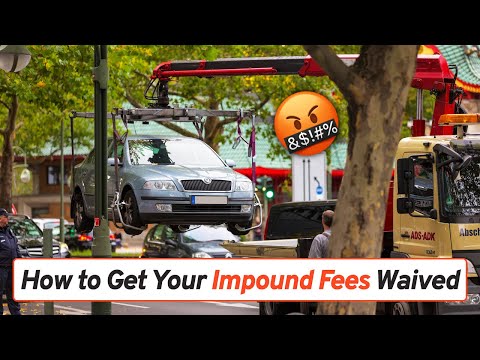
Hey there! So, let’s say you’ve just had the worst day ever. Your car gets towed, and now you’re staring at a big headache.
Dealing with your local police car impound can feel like a maze. Seriously, it’s not just about getting your ride back. There are rules, fees, and all those little details that can trip you up.
But don’t sweat it! I’m here to break things down for you in a chill way. We’ll talk through what to expect and how to get your wheels back without losing your mind. Sound good? Let’s jump in!
Strategies for Retrieving Your Impounded Vehicle without Payment: A Step-by-Step Guide
Navigating the local police impound procedures can be a real hassle, especially if you’re trying to get your car back without coughing up any cash upfront. So, here’s how you might go about it.
First things first, know your local laws. Each state—and even some cities—have specific regulations on impoundments. You need to understand what rights you have regarding your vehicle. It’s kind of like learning the rules of a game before you play it.
Gather your documents. You’ll want to have all relevant paperwork handy. This includes your ID, vehicle registration, and proof of insurance. If you think you were wrongfully towed or impounded, having these in order can help make your case stronger.
Next up is contacting the police department or towing company. Get in touch with them ASAP after discovering that your vehicle has been impounded. Sometimes, just explaining your situation over the phone may lead to some leniency—or at least give you detailed info on why it was taken and what steps you’re facing.
Now, consider appealing the impoundment. If you feel there’s been a mistake—like if no signage indicated that parking was prohibited—you might be able to challenge this decision at a hearing or through paperwork. It’s crucial to act quickly; there are usually time limits for filing these appeals.
When you’re ready to retrieve your car, make sure you know what fees are charged. While some jurisdictions may allow for waiving certain fees under specific circumstances (like financial hardship), others may not. Always ask upfront what they are expecting from you before trying to get the vehicle back.
Also, be prepared for possible negotiation. If fees are involved and are negotiable based on financial reasons or extenuating circumstances (maybe you’ve got a long history of safe driving), don’t hesitate to bring this up when speaking with officials at the tow yard or police department.
If all else fails and payments are unavoidable, but you’re strapped for cash, look into payment plans. Many towing companies might offer something like this if you explain your situation. It allows you to get back on the road while worrying less about an immediate lump-sum payment.
Lastly, don’t forget about asking for written confirmation when everything is sorted out and you’ve retrieved your vehicle. It’s good practice! This way, if any issues come up down the line regarding fees or charges related to this incident, you’ve got something concrete as proof.
In short: staying informed about local laws and being prepared can make all the difference when it comes retrieving an impounded car without spending more than necessary right off the bat!
Understanding the Process: What Happens to Seized Cars by Law Enforcement
So, you’ve found yourself in a bit of a situation where your car was seized by the police. Maybe it was due to an unpaid ticket, a DUI arrest, or something else entirely. What happens next? Let’s break it down in simple terms.
First off, when law enforcement takes your car, they usually do so under specific circumstances. Common reasons for seizure can include:
- Involvement in a crime (like transporting illegal goods).
- Unpaid parking tickets or other traffic violations.
- Lack of insurance or registration.
Once your car is seized, it doesn’t just vanish into thin air. The police typically store these vehicles at an impound lot. This spot is where your car will stay until all the legal stuff is sorted out.
Now, I want you to imagine this: you’re at work one day and get a call from a friend saying they saw your car being towed away because of some outstanding tickets. Panic sets in, and you wonder how to get it back without breaking the bank or going through endless hoops.
Here’s where it gets interesting—after the seizure, police will often send you a notice leting you know about the impoundment. This notice tells you why they took the vehicle and what steps to follow next.
Steps to Get Your Seized Car Back:
- Pay any outstanding fees: This could include towing fees and daily storage fees.
- Show proof of ownership: You’ll need documents like your title or registration.
- Resolve any legal issues: If your car was seized due to criminal activity or outstanding tickets, you might have to settle those before getting your vehicle back.
It’s important to note that if there are criminal charges involved with the seizure, things can get trickier. In some cases, you might not be able to get your car back until everything related to those charges is resolved in court.
Also, keep in mind that different states have different laws about car seizures and impoundments. What works in California might not be the same in Texas! If you’re dealing with this kind of situation, always check local laws for specifics.
Now let’s talk timing—usually, there are deadlines for how long you have before additional fees kick in or even worse—the possibility of the city auctioning off your vehicle if it’s not claimed within a certain timeframe.
A little tip here: If money is tight and you’re really worried about those fees piling up while you’re trying to sort things out—don’t just ignore it! Reach out to the impound lot as soon as possible; sometimes they can offer payment plans or advice on what steps might ease the burden.
Ultimately, navigating local police car impound procedures can feel like wading through mud sometimes—but understanding what happens after law enforcement seizes your vehicle can make it way less daunting than you think! Just remember: stay calm and gather all necessary information quickly; that’s half the battle won.
When You Can’t Afford to Retrieve Your Impounded Vehicle: Essential Steps and Options
Alright, so you woke up one day and found out your car is impounded. Not a fun surprise, right? And if you’re like many folks, you might be thinking about how to get it back without breaking the bank. Here’s a rundown on what you can do when money’s tight.
First off, it’s important to understand why cars get impounded. Maybe you parked in a no-parking zone or didn’t renew your registration. Whatever the reason, knowing that will help you figure out your next steps.
If you’re facing an impound fee that’s more than what you’d like to pay, don’t panic just yet. There are some avenues you can explore:
- Contact the Impound Lot: Call up the impound lot directly and see if they can offer any payment plans or reduced fees. Some places might be open to negotiating.
- Check for Assistance Programs: Many cities have programs designed to help low-income individuals retrieve their vehicles. It might be worth checking with local charities or non-profits in your area.
- Legal Aid Resources: If you’re feeling completely lost, look into legal aid organizations in your state. They could offer free advice or even help you challenge the impound fee if it seems unfair.
- Talk to Local Government: Sometimes, city officials can step in, especially if there are extenuating circumstances that led to the impoundment. If you had a legit reason for not having your car properly registered (think medical emergencies) they might take pity on you!
- Borrowing Money: Friends or family might step up to lend a hand. You could also try looking into small loans from banks or credit unions that could help ease the burden—just be careful about high-interest rates.
- Selling Items: Is there something around your house collecting dust? Maybe it’s time to sell that old gaming console or bike? That cash could come in handy for covering those pesky fees!
You know, I once had a friend whose car got impounded after he parked it outside his buddy’s apartment during a party—total bummer! He didn’t have enough cash handy at first but ended up figuring things out by calling the lot and working out a payment plan after explaining his situation. So definitely don’t hesitate to reach out.
Finally, remember this: sometimes just showing up and talking face-to-face at the impound lot can make all the difference. People generally appreciate when you’re polite and upfront about financial struggles; they may even find ways to help.
In short, dealing with an impounded vehicle when funds are low is tough but possible—you’ve got options! Just take it step-by-step and keep pushing forward; you’ll get through this!
So, let’s say you wake up one sunny Saturday morning, and your plans include hitting the beach or maybe just grabbing brunch with friends. You step outside, and there it is—your car is missing. Heart drops, anxiety kicks in. Did someone steal it? But then you remember that late-night mishap when you parked a little too close to a fire hydrant. Yep, your car was probably towed.
Getting your car back from an impound lot can be a real pain. The procedures can vary quite a bit from city to city. First off, you’ll need to find out where they took it. Most cities have an online database or a phone line where you can check if your vehicle has been impounded. It’s like treasure hunting but way less fun.
Once you’ve located the impound lot, brace yourself for the fees. Seriously, these charges can add up faster than your favorite Netflix show gets binge-watched! Depending on where you are, just getting your car back can cost anywhere from fifty bucks to several hundred dollars—not counting any extra charges for repairs or storage if it’s been there for too long.
Now comes the paperwork part! You’ll usually need some documents: proof of ownership (like your title or registration), a valid ID (you know they want to make sure you’re not trying to swipe someone else’s ride), and sometimes even proof of insurance. It’s kind of like jumping through hoops at the circus—just when you think you’re done, there’s another one waiting for you!
Don’t forget about hours of operation; some impound lots don’t open on weekends or have limited hours during the week. Imagine driving all the way there only to find out they’re closed! Talk about frustrating.
Having navigated this myself after my friend lost her car one wild night out (and yes, we learned our lesson about designated drivers), I realized how important it is to understand what actions you need to take ahead of time. Knowing what documents you’ll need and being ready for those fees definitely helps take some stress out of an already tense situation.
And hey, if you’re ever feeling overwhelmed by all this? You’re not alone! Just remember that everyone has those “where’s my car?” moments at some point or another. Being prepared can turn a stressful day into just another funny story over coffee later on!




