
The information provided in this article is intended solely for general informational and educational purposes related to U.S. laws and legal topics. It does not constitute legal advice, legal opinions, or professional legal services, and should not be considered a substitute for consultation with a qualified attorney or other licensed legal professional.
While efforts have been made to ensure the information is accurate and up to date, no guarantees are given—either express or implied—regarding its accuracy, completeness, timeliness, or suitability for any specific legal situation. Laws, regulations, and legal interpretations may change over time. Use of this information is at your own discretion.
It is strongly recommended to consult official sources such as the U.S. Government (USA.gov), United States Courts, or relevant state government and court websites before acting on any information contained on this website or article. Under no circumstances should professional legal advice be ignored or delayed due to content read here.
This content is of a general and informational nature only. It is not intended to replace individualized legal guidance or to establish an attorney-client relationship. The publication of this information does not imply any legal responsibility, guarantee, or obligation on the part of the author or this site.
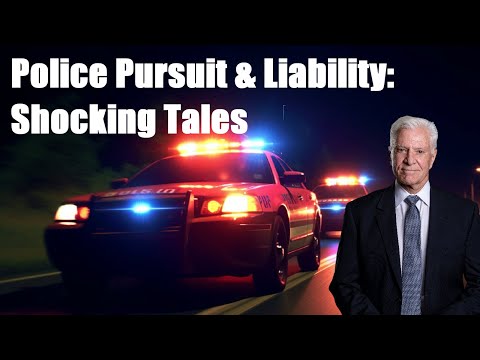
Picture this: You’re sitting in traffic, minding your own business, when suddenly a police car zooms past, lights flashing and sirens blaring. It’s intense, right? You might even feel that rush of adrenaline. But have you ever thought about what happens after that chase ends?
Police pursuits can get super complicated—like, way more than just a high-speed thrill. There are serious legal consequences involved for everyone: the police, the suspect, and even innocent bystanders. It’s a wild ride through legal gray areas.
So what’s the deal? How does all this actually work? Let’s break it down and see what really goes down when those cars start racing.
Understanding the Legal Implications of Police Chases: Risks, Responsibilities, and Rights
Police chases can be intense, right? They often look like something out of a movie, but the truth is they carry a ton of legal baggage. Let’s break down the risks, responsibilities, and rights involved in these high-speed situations.
First off, when police pursue a suspect in a vehicle chase, they’re hoping to apprehend someone suspected of committing a crime. But here’s the catch: **the tactics used during these pursuits can lead to serious consequences.** Sometimes things escalate quickly, and innocent people can get hurt or even killed.
The risks are real. During chases, not only does the suspect place themselves at risk but also everyone on the road. Imagine driving home from work and suddenly getting caught in a high-speed chase! That’s scary stuff. According to some studies, police chases can result in more than 300 deaths annually in the U.S., many of which involve bystanders.
Now let’s talk about responsibilities. **Law enforcement agencies have policies dictating when it’s appropriate to pursue someone.** If an officer makes a chase call without following protocol, they could be held liable for any damages or injuries that result from that decision. It’s kind of like having a recipe—if you don’t follow it right, things might end up burnt!
Also important to note is that if you’re being pursued by law enforcement and decide to run for it, you could face much more severe charges than whatever you were initially wanted for! So if it was just an unpaid ticket or something minor like that, suddenly you’re looking at felony charges because now you’ve added evading arrest into the mix.
Then there are your rights during these chases. If you’re merely an innocent bystander caught up in one—well—you have some protections under the law. You should be able to sue for damages if you suffer injuries or property loss due to negligent pursuit methods used by police.
Look at this scenario: Say you’re driving along when suddenly another car zooms past you with sirens blaring behind it—next thing you know, the fleeing car crashes into yours! If investigators find that police involved acted recklessly during their pursuit or didn’t follow protocol properly, they could face consequences.
Another layer is about liability insurance as well; some states hold local governments responsible for reckless actions taken by officers on duty. This means taxpayers might end up footing the bill for any claims resulting from such chases gone wrong!
It gets complicated quickly since laws vary from state to state regarding how police pursuits are handled legally and who bears responsibility afterward.
So next time you see those flashing lights and hear sirens zooming past on your street? Just remember there’s way more happening behind that action-packed moment than what meets the eye! Staying informed helps keep you aware of your rights amid all this craziness—you never know when it might come into play!
The Legal Consequences of Pursuing a Police Vehicle: What You Need to Know
So, you’re curious about what happens when someone decides to chase, or “pursue,” a police vehicle? Well, buckle up because it’s not just a wild ride. There are real legal consequences tied up in this kind of action that can seriously affect your life.
First off, let’s clarify what we’re talking about. When a person tries to follow or catch up with police during a traffic stop or while doing their job, it often leads to **serious legal issues**. This isn’t your everyday road rage; it can escalate quickly.
Criminal Charges
If you actively pursue a police car, you might be looking at criminal charges. Depending on the state and the circumstances of the chase, here are some potential charges:
- Reckless driving: If your pursuit is dangerous and shows a complete disregard for safety.
- Obstruction of justice: This is what cops may charge if they think you’re trying to interfere with their work.
- Aggressive driving: You know that feeling when people weave in and out of lanes? That could definitely land you in hot water.
- Evasion: If the police tell you to pull over and you don’t listen, now we’re talking about evading law enforcement. That’s big trouble!
Each of these charges comes with its own set of penalties. You could be facing hefty fines or even jail time for reckless driving—like months behind bars! Imagine telling friends you’re in prison for chasing a cop car… not exactly great dinner conversation.
Civil Consequences
Then there’s the civil side of things. Pursuing a police vehicle might also land you in civil court if anyone gets hurt or property gets damaged during your escapade. For instance, if you’re tailing a cop and accidentally crash into another car—yikes! You’re likely going to face lawsuits from any injured parties. These claims can cover medical bills, lost wages, and pain and suffering.
The Bigger Picture: Safety
Now here’s where it gets serious: Police chases can be dangerous! Not only do they risk lives on the road (yours included), but they put innocent people at risk too. A chase can cause wrecks involving bystanders or even lead cops into high-traffic areas where things can escalate rapidly.
In some states, there are laws specifically stating that police can’t engage in pursuits unless certain conditions are met—like when there’s an immediate threat to public safety involved.
The Bottom Line
In short? Pursuing a police vehicle is generally not worth it! The potential legal consequences encompass both criminal and civil issues that can follow you around like a bad penny. And here’s an emotional nugget for ya—think about how disruptive this could be not just for yourself but also for your family if something goes wrong. You don’t want them dealing with the fallout from poor choices on the road.
So next time you’re tempted to follow that flashing blue light—you might just want to let it go. Just saying!
Understanding Vehicle Pursuit: Legal Definition and Implications
Understanding vehicle pursuit in the U.S. can be a bit of a minefield. Basically, it all boils down to police chasing suspects who are trying to get away in their cars. But what happens when those high-speed chases go south? Let’s break it down.
Legal Definition
A vehicle pursuit is when law enforcement officers try to catch a fleeing suspect in a vehicle. This can often involve high speeds and dangerous maneuvers. Officers must weigh the need for immediate apprehension against the risks involved, like potential harm to bystanders or other drivers.
Public Safety Concerns
There’s no denying that these pursuits can lead to serious accidents. You’ve got innocent people in the line of fire, right? For example, if police are chasing someone who runs a red light and causes a crash, they might face scrutiny about whether that chase was worth the risk.
Policies and Guidelines
Most police departments have specific policies about when to engage in pursuits. These guidelines typically require officers to consider factors such as:
- The severity of the crime.
- The location (like heavy traffic vs. open highway).
- The suspect’s behavior (if they are driving recklessly).
- The potential for public danger.
So sometimes, they’ll call off a chase if it gets too dangerous.
Legal Consequences
If things go wrong during a pursuit, there can be serious legal implications for both the police and the department. Victims involved in related accidents might file lawsuits claiming negligence on part of law enforcement—like not following their own policies during that chase.
And get this: courts often look at whether the officer acted within department guidelines or if they went rogue during the pursuit. If it turns out that an officer was chasing someone over a minor infraction and ended up causing chaos, well, they could be in hot water.
Accountability Measures
Some states require police departments to track data on vehicle pursuits—showing how often they happen and what outcomes result from them. This helps hold agencies accountable for their actions and allows them to review strategies on how to handle pursuits better.
In some instances, local laws might also dictate how pursuits should unfold—from requiring supervisors to approve chases before they start or mandating that certain conditions must be met before pursuing anyone at all.
Anecdotal Insight
I remember reading about a situation where cops chased down a suspect speeding through residential streets only for him to crash into a playground area. Thankfully, no kids were hurt, but it definitely sparked debate about whether that chase was really worth it—especially since he was wanted for something relatively minor!
So when you hear about vehicle pursuits on the news next time, you can think about all those moving pieces—the legal definitions, safety concerns, policies guiding officers’ decisions—all balancing justice with public safety… pretty intense stuff!
You know, when you see those high-speed chases on TV, they look thrilling, right? But the reality behind police vehicle pursuits can be pretty complicated and intense. Imagine you’re watching a chase unfold, and suddenly it takes a sharp turn into a neighborhood. Your heart races, but so does the reality of what could actually happen.
In America, police pursuits are fraught with legal consequences. If an officer decides to chase someone for a minor traffic violation that leads to an accident causing injuries or damage, the question arises: Who’s liable? In many cases, courts have ruled that law enforcement agencies could be held responsible if they don’t follow specific policies or if the chase itself was unjustified.
But then there’s a tricky balance between public safety and upholding the law. Officers often have to make snap decisions about whether to pursue a suspect when public safety is at stake. A story comes to mind—there’s this one case where a pursuit ended in a deadly crash in a crowded area. The community was outraged, and families were left grappling with loss while questioning why the chase was even initiated in the first place.
And it doesn’t just stop there. You might be surprised to learn that states have different laws regarding chases; some offer qualified immunity to officers while others do not. This means that depending on where things go down, outcomes can vary widely! It’s wild how in one state an officer might not face accountability for their actions during a pursuit while in another they could end up in court facing serious consequences.
Many departments are now re-evaluating their pursuit policies because of these potential legal ramifications and community outcry. They must weigh whether pursuing someone who poses an immediate threat is worth it against the possibility of risking innocent lives during the chase itself.
It’s just this complex web of laws and local policies that make each situation unique. Each time you hear about another police pursuit on your screen, there’s more going on under the surface than meets the eye—seriously! So yeah, next time you’re watching one of those chases unfolding on TV or online, maybe take a moment to think about all those legal strings attached to what seems like just adrenaline-pumping action!




