
The information provided in this article is intended solely for general informational and educational purposes related to U.S. laws and legal topics. It does not constitute legal advice, legal opinions, or professional legal services, and should not be considered a substitute for consultation with a qualified attorney or other licensed legal professional.
While efforts have been made to ensure the information is accurate and up to date, no guarantees are given—either express or implied—regarding its accuracy, completeness, timeliness, or suitability for any specific legal situation. Laws, regulations, and legal interpretations may change over time. Use of this information is at your own discretion.
It is strongly recommended to consult official sources such as the U.S. Government (USA.gov), United States Courts, or relevant state government and court websites before acting on any information contained on this website or article. Under no circumstances should professional legal advice be ignored or delayed due to content read here.
This content is of a general and informational nature only. It is not intended to replace individualized legal guidance or to establish an attorney-client relationship. The publication of this information does not imply any legal responsibility, guarantee, or obligation on the part of the author or this site.
You know that feeling when you trip over a loose tile at a store? Kind of makes you wonder who’s responsible for that, right?
Well, that’s what premises liability is all about. It’s like asking, “Who’s got my back if I get hurt on someone else’s property?”
In the American legal system, this can lead to some pretty interesting jury decisions. Sometimes, it’s a simple slip and fall. Other times, it gets way more complicated.
So yeah, let’s dive into how settlements work when things go wrong on someone else’s turf. You’ll want to stick around for this!
Understanding Potential Compensation in Premises Liability Cases: Factors That Influence Your Settlement
When you think about premises liability cases, it’s all about who’s responsible when someone gets hurt on someone else’s property. It could be a slip and fall at a grocery store or an injury from a broken railing at an apartment complex. You might be wondering what kind of compensation you can get if you find yourself in such a situation. Let’s break it down.
To start, there are some key factors that influence your settlement. This can really determine how much money you might end up with, so pay attention!
- Severity of Injuries: The more serious your injuries, the higher the potential compensation. Think about it: if you break your leg and need surgery versus just a sprained ankle, those are two different ballparks.
- Medical Expenses: All those doctor visits, hospital stays, and therapy sessions add up. If your medical bills are high, this will definitely play a role in what you’ll be offered for settlement.
- Pain and Suffering: This is kind of tricky to quantify because it’s not just about medical bills; it also includes emotional distress. How has this injury impacted your daily life? Can you still enjoy hobbies? These factors matter.
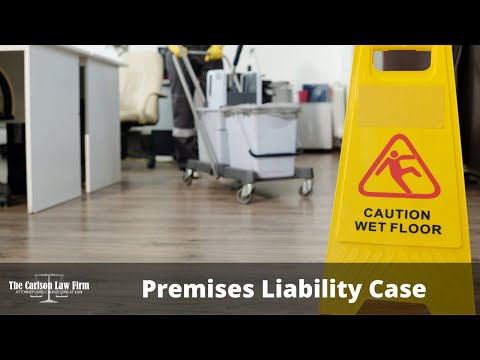
- Liability: Who was at fault? If there’s clear evidence that the property owner was negligent – like a wet floor sign missing when they should have had one – this can sway things in your favor.
- Insurance Policy Limits: Sometimes settlements hit a ceiling based on what the insurance policy covers. So even if you’re entitled to more than $100,000 in damages, but the property owner’s insurance limit is $50,000, that’s what you’re getting unless they have other assets to go after.
Here’s one way to think about it: let’s say you slip on some spilled juice at a local diner because they didn’t clean it up or put down warning signs. You end up with a fractured wrist that requires surgery. Your medical bills might total around $20,000 – crazy right? Then there’s time off work while you’re healing and the pain you’ve experienced. All these things come together when figuring out how much money you should receive.
Something else to keep in mind is comparative negligence. If it turns out that you were partially responsible for the accident (like running instead of walking), then your settlement might be reduced based on how much blame is assigned to you.
All these factors lead to negotiations between lawyers or even sometimes straight with insurance adjusters. This process can feel tedious because both sides want different things; that’s where having good representation comes in handy—if needed!
In short, understanding premises liability settlements means seeing how various elements work together to shape what kind of compensation might come your way if you’re injured on someone else’s turf. So keep these points in mind if you’re ever caught in such situations!
Understanding the Jury’s Verdict: What is a Liability Decision Called?
When you hear about a jury’s decision regarding premises liability, you’re diving into a pretty interesting area of law. So, what is a liability decision called, anyway? Well, folks usually refer to it as a **verdict**. But there’s more to it than just that simple term.
In cases of premises liability, which usually involve injuries occurring on someone else’s property due to negligence, the jury’s job is to determine if the property owner was responsible for those injuries. This responsibility falls under what we call **liability**. If the jury decides that the property owner didn’t maintain safe conditions or failed to warn visitors of potential hazards, they may find them liable.
Now let’s break down how this whole verdict thing works in the courtroom:
1. Jury Instructions: Before deliberating, jurors receive specific instructions from the judge about what laws apply to the case. It’s crucial because it helps them understand what they need to decide on.
2. Deliberation: Once they have all the evidence and instructions, jurors huddle together (not literally huddled, but you know what I mean) in private and discuss their thoughts on the case.
3. Reaching a Verdict: The goal is for all jurors to come to an agreement—this could take time! They need to talk through evidence and sometimes even debate their views before reaching a collective decision.
4. Verdict Announced: Finally, when they’ve agreed on whether the defendant (the property owner) is liable or not, they announce their verdict in court.
And here’s where things can get emotional. For instance, imagine someone slips and falls at a grocery store because of a spilled drink that wasn’t cleaned up. They might have broken their arm or worse! If that person takes legal action and it goes to trial with a jury involved, they’re hoping for that verdict to say the store was negligent and should be held accountable for not ensuring safety.
If the jury decides liability exists—meaning they found that negligence led to injuries—the damages awarded can be substantial! This can cover medical bills, lost wages, pain and suffering—you name it!
In summary: When talking about premises liability decisions made by juries? They’re called **verdicts**, deciding if someone should be held legally responsible for injuries due to unsafe conditions on their property. And hey, these decisions can really alter lives—not just for victims but for business owners too!
You know, premises liability cases can be pretty interesting. They come into play when someone gets hurt on someone else’s property due to negligence. Imagine you’re walking through a store, and suddenly you slip on a wet floor that isn’t marked at all. You could get seriously hurt! That’s where the idea of premises liability kicks in.
In these scenarios, victims often seek settlements for their injuries. It’s not just about the physical pain; it can mess with your job, your daily life, everything—trust me, I’ve seen friends go through it. They didn’t even realize how much a simple slip could turn their world upside down.
So how does this all tie into the jury system? Well, a lot of these cases end up in court if they can’t settle outside. And juries play a massive role in deciding if the property owner is at fault or not. Picture groups of ordinary folks sitting together in that jury box, listening to testimonies and weighing evidence. It’s like real-life drama unfolding right before your eyes!
When jurors hear about the details—the hazards that weren’t taken care of or the lack of signs—they really have to think about whether anyone should be held accountable. The emotional aspect is huge too. If someone shares how their life has been impacted, jurors often connect with that human experience.
But here’s where it gets tricky: settlements can vary wildly based on so many factors—the location of the incident, who was involved, and even how well the case is presented to them. Some cases settle for thousands; others might reach millions! But settling doesn’t mean it’s always fair or just; sometimes people accept lower amounts just to avoid long court battles.
What really gets me is the unpredictability of it all in front of a jury. You could have what seems like a strong case and still lose if the jury sees things differently. Or they may sympathize with you after hearing your story and award you more than expected!
At the end of the day, premises liability isn’t just about money; it’s also about holding folks accountable for keeping their spaces safe—for you and everyone else who steps foot on their property. So yeah, navigating settlements through this whole jury process can feel like being on a roller coaster—thrilling yet nerve-wracking!




