
The information provided in this article is intended solely for general informational and educational purposes related to U.S. laws and legal topics. It does not constitute legal advice, legal opinions, or professional legal services, and should not be considered a substitute for consultation with a qualified attorney or other licensed legal professional.
While efforts have been made to ensure the information is accurate and up to date, no guarantees are given—either express or implied—regarding its accuracy, completeness, timeliness, or suitability for any specific legal situation. Laws, regulations, and legal interpretations may change over time. Use of this information is at your own discretion.
It is strongly recommended to consult official sources such as the U.S. Government (USA.gov), United States Courts, or relevant state government and court websites before acting on any information contained on this website or article. Under no circumstances should professional legal advice be ignored or delayed due to content read here.
This content is of a general and informational nature only. It is not intended to replace individualized legal guidance or to establish an attorney-client relationship. The publication of this information does not imply any legal responsibility, guarantee, or obligation on the part of the author or this site.
So, you’re thinking about a prenup, huh? You’re not alone! Seriously, more folks are chatting about these agreements nowadays.
I mean, marriage is a big deal—like, life-changing. But what if things don’t go as planned? A prenup can be a smart way to keep things clear and simple.
It’s not just for the rich and famous, either! Regular people like you and me can benefit from them too.
Let’s break down what prenuptial agreements are all about and how they fit into the American legal scene. Trust me; it’ll be more interesting than you think!
Essential Prenuptial Agreement Questions Every Woman Should Consider
So, you’re thinking about a prenuptial agreement? That’s smart! Seriously, it’s not just for the rich and famous. It’s about protecting yourself and making things clear from the start. Here are some essential questions you might want to consider.
- What do you want to protect? Start by thinking about what’s important to you. Do you have family heirlooms, a business, or savings that you’d like to keep separate? Knowing what needs protection can guide your agreement.
- How will assets be divided? Talk about how you both want to handle your assets during the marriage and in case of a divorce. Do you want everything split down the middle, or do certain items go to one person? Clear terms here can save a lot of headaches later.
- What about debts? Debt can be tricky territory. If one of you has student loans or credit card debt, figuring out who’s responsible for what is key. You don’t want to end up paying off someone else’s bills if things go south!
- Are there any considerations for children? If either of you has kids from a previous relationship, think about how their financial security is affected by the prenup. You might want specific clauses that protect their inheritance.
- How will spousal support be handled? This one’s huge! Depending on your situation, you might agree on whether spousal support will be given in case of divorce and under what conditions. It helps set expectations upfront.
This reminds me of a friend who went through this whole process with her fiancé. They had a long discussion about their finances before getting married, which was awkward at times but ultimately made them feel more secure in their relationship. They both knew where they stood financially, and it avoided messy conversations down the line.
- What happens if one person inherits money? Inheritances can complicate things when couples split up. You may decide together that any inheritance stays with the beneficiary—just something to clarify.
- Aren’t those negotiation talks awkward? Yes! It can feel super uncomfortable laying all this out there. But remember: being upfront is key in any healthy relationship!
- If laws change later on, how does that affect us? Laws regarding prenups can vary by state and change over time too! You’ll want your agreement designed in a way that adapts easily as laws evolve.
No matter how tough these questions get, approaching them together builds trust and understanding. It shows you’re both committed to handling financial matters responsibly. Think of it as laying down a map for your future together—one that outlines not just where you’re going but also how you’ll navigate potential bumps along the way!
Comprehensive Prenuptial Agreement Example: Key Clauses and Considerations
When it comes to love, it’s all hearts and flowers, but let’s be real—life can get messy. That’s why a prenuptial agreement is something every couple should probably consider before tying the knot. It sounds serious, but it’s just a way to protect both partners’ interests if things don’t go as planned. So, what should you think about when drafting one of these agreements? Let’s break it down.
First off, a prenuptial agreement, or prenup for short, is a legal document signed by both parties before they marry. It outlines how assets will be divided in case of divorce or separation. This isn’t just about money; it’s about making sure both people are on the same page.
Now, onto some key clauses you might want to include:
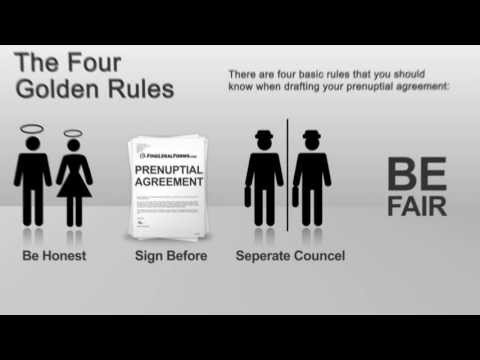
- Asset Disclosure: This clause requires each partner to disclose their financial situation fully. It’s like laying all your cards on the table. You need to know what you’re getting into!
- Division of Assets: How will property be split if things go south? This clause can specify whether assets remain separate or become marital property.
- Duties and Obligations: Sometimes couples like to outline specific responsibilities within their marriage—think financial contributions or household duties.
- Spousal Support: Also known as alimony, this clause details whether one partner would pay the other after separation and under what circumstances.
- Debt Responsibilities: If either party has debts entering the marriage, it’s good to clarify who will be responsible for them—including student loans or credit card debt.
- Breach of Agreement: What happens if one party doesn’t uphold their end? This section can lay out penalties or remedies.
Alright, so let’s take a moment here for a story: imagine Sarah and Mike who were madly in love and super excited about their wedding plans. But when they started talking about finances and future plans, they realized they had very different views on spending and saving! After an awkward dinner where Mike mentioned his mountain of student loan debt, Sarah suggested getting a prenup just to clear things up. Surprisingly, it made them feel more secure knowing everything was laid out clearly.
This brings us to another consideration: state laws. Each state has its own rules regarding prenups. Some states might even have restrictions on what can be included in such agreements. So checking local laws is super important before signing anything!
Furthermore, remember that prenuptial agreements aren’t set in stone once created; they can often be amended later if circumstances change—like having kids or receiving an inheritance.
Lastly, even though you might think you two are invincible right now (and who wouldn’t?), having these discussions isn’t an indication that you expect your marriage to fail; instead, it’s an act of responsibility toward each other.
Navigating through these discussions can feel daunting at first but honestly? It could save both of you tons of headache in the long run! So seriously consider working with a lawyer who specializes in family law when drafting your prenup to ensure everything’s buttoned up correctly.
In summary, making a prenuptial agreement involves thoughtful consideration from both partners. Lay down those important clauses we talked about so there are no surprises later on! Love’s great and all—but planning for the future? That’s essential too!
Understanding the Pros and Cons of Prenuptial Agreements: A Comprehensive Guide
Understanding prenuptial agreements can feel like navigating a maze, right? But don’t sweat it! I’m here to break it down for you in an easy way. Basically, a prenuptial agreement, or prenup, is a contract made by two people before they get married. It outlines how assets will be divided in case the marriage ends in divorce. You might be wondering why anyone would want one. Let’s dig into the pros and cons.
Pros of Prenuptial Agreements
- Asset Protection: This is probably the biggest reason people go for prenups. They help protect what you’ve worked for before tying the knot. If your spouse came into the marriage with a business, for example, a prenup can help ensure that business stays yours if things go south.
- Debt Management: What if one of you has loads of student loans or credit card debt? A prenup can specify who’s responsible for what, so you don’t end up stuck with your partner’s financial mess.
- Clarity and Communication: Talking about money before you get hitched can feel awkward, but it’s important! Creating a prenup forces couples to discuss their finances openly. You know how uncomfortable these talks can be if left until later.
- Simplified Divorce Process: If things don’t work out, having a prenup can make divorce easier. It provides a clear path regarding asset division, which could potentially save both parties time and heartache when parting ways.
Now that we’ve covered some upsides, let’s take a look at the downsides.
Cons of Prenuptial Agreements
- Might Seem Unromantic: No one wants to think about divorce when they’re getting married! Some folks feel that drafting a prenup puts a damper on the excitement of love and commitment.
- Could Lead to Conflict: Discussing what happens if things fall apart can cause tension. One partner might feel like they’re asking for something unfair or untrustworthy.
- No Guarantees: A prenup isn’t foolproof; courts won’t necessarily enforce them if they find them unfair or if there was coercion involved in drafting them. For instance, if one partner couldn’t afford legal advice while signing, it could lead to issues down the line.
- If Not Done Right: There are specific legal requirements for prenuptial agreements to be valid. If it’s not properly drafted or signed according to state laws, it might not hold up in court later on.
So there you go—some points from both sides of the coin! Getting into this kind of conversation may seem daunting at first but taking time to think about your future together is important; it’s like asking yourself how to build something strong from day one.
Ultimately, whether or not you choose to go down this road depends on your specific situation and preferences as a couple. Just remember: open communication is key! And with all this new insight into prenuptial agreements under your belt, you’re more than ready for that much-anticipated chat!
So, prenuptial agreements, huh? You’ve probably heard about them in movies or from friends who are getting married. But what are they really? Basically, a prenup is a legal contract made by two people before they tie the knot. It outlines how assets and debts will be divided if things don’t work out later on. It might sound cold, but it’s more like a safety net for both parties involved.
You know, I remember chatting with my buddy Tom about this when he got engaged. He was all excited but worried about his student loans and his future wife’s growing business. They decided to sit down together and draw up a prenup that felt fair to both of them. It wasn’t just about money; it was also about understanding each other’s expectations and protecting what they had worked hard for.
Now, in the American legal system, prenups can vary from state to state. Some states take these agreements pretty seriously, while others have stricter requirements to ensure fairness. Like, for example, both sides should fully disclose their assets and liabilities when creating this document. If one person hides something? That can be problematic later on if the agreement ends up being contested in court.
Oh! And let me tell you—having separate attorneys is also key in these situations. You don’t want one lawyer trying to represent both parties; that can lead to all sorts of problems down the road if disagreements pop up.
And really, it’s not just about wealth or property either. Couples sometimes use prenups to agree on things like spousal support or even household responsibilities during the marriage—who does laundry when?
But you might wonder why anyone would want a prenup at all. Well, relationships can get complicated—you marry someone because you love them, but life isn’t always that straightforward. It’s like having an insurance policy for your relationship—you hope you never have to use it!
In sum, prenups can actually open up communication between partners by forcing them to talk honestly about money and expectations before they say “I do.” So if you’re thinking about getting hitched someday and want peace of mind—a prenuptial agreement could be worth considering!




